
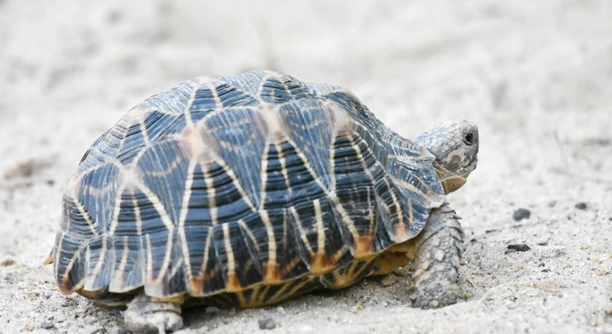
Turtles are fascinating creatures, but sometimes their behaviors can leave us wondering what’s going on in their little world. One common issue is when they seem to keep climbing onto each other.
Turtles climb onto one another for a variety of reasons, such as seeking warmth, establishing dominance, or showing interest in mating. Understanding these behaviors helps clarify why this happens and how to address it.
Exploring these causes will not only help you better understand your turtles’ actions but also ensure they live happily in their environment.
Why Turtles Climb: A Natural Instinct
Turtles climbing onto each other may seem strange, but it’s rooted in natural instincts. One of the most common reasons is to seek warmth. Turtles are cold-blooded animals, and they rely on external sources of heat to regulate their body temperature. When one turtle climbs onto another, it might be trying to find a more comfortable spot basking in the sun or under a heat lamp. In the wild, they often pile on top of each other to get closer to the heat.
The need for warmth is more noticeable in smaller or younger turtles. They tend to climb on larger, older ones, who have already found a comfortable, sunny spot. If your turtles are climbing, it’s likely because they feel the temperature is not right for them.
Another reason could be territorial behavior. Turtles are known to establish a dominance hierarchy. In these cases, climbing may be a way for one turtle to show dominance over the other. This behavior is more noticeable when there are multiple turtles in the same space, especially in smaller tanks or enclosures.
Mating Behavior and Its Role
Climbing also ties into mating rituals. Male turtles, in particular, may climb onto females as part of their courtship behavior. Males often approach females in this way to initiate mating, even if the female is not interested. This behavior can happen frequently during mating season.
In some cases, female turtles may also exhibit climbing behaviors, although this is less common. When females climb onto males, it’s typically a sign that they are looking for a suitable mate. If you have both male and female turtles, it’s important to monitor their interactions during mating season to avoid stress.
If the climbing becomes excessive or aggressive, it could be a sign of overpopulation or inadequate space. Turtles need enough room to move around freely without constantly interacting with one another.
Space and Environment Impact
When turtles are confined to a small space, climbing behavior becomes more common. In overcrowded tanks, they struggle to find comfortable spots and often climb onto each other in search of warmth or space. If your turtles are constantly climbing, it may be a sign that their living environment needs adjustments.
A tank that is too small can lead to stress and dominance struggles, as turtles compete for the best basking spots. Turtles need enough room to swim, climb, and rest without feeling cramped. The more space they have, the less likely they are to climb onto each other. Consider upgrading to a larger tank or providing more basking areas to minimize climbing.
A good rule of thumb is to provide at least 10 gallons of water per adult turtle, with sufficient room for them to roam. Also, make sure there are enough basking spots to reduce competition. By creating an environment where turtles feel safe and comfortable, you’ll notice a decrease in climbing behaviors.
Temperature Regulation and Lighting
Turtles rely on their environment to maintain proper body temperature, so temperature regulation plays a significant role in their climbing behavior. If the water or basking area is too cold, turtles may attempt to climb onto each other to find a warmer spot.
Heating lamps and water heaters can help regulate temperature, but it’s essential to monitor them regularly to make sure the setup is appropriate. A basking spot should be around 85-90°F, and the water temperature should be maintained at 75-80°F. If your tank is not warm enough, turtles may become restless and more likely to climb for better heat access.
To avoid this, use a thermometer to ensure your tank stays within the ideal temperature range. A reliable heating system will help your turtles remain comfortable and reduce their tendency to climb on one another. By making sure their environment is warm enough, you’ll help prevent climbing due to cold stress.
Overcrowding and Competition
Overcrowding is a common issue for turtle owners. When there are too many turtles in one tank, they will compete for limited space and resources, leading to more climbing behavior. This can cause stress and aggressive interactions.
To prevent overcrowding, ensure you have enough room for each turtle to live comfortably. Each adult turtle needs a minimum of 10 gallons of water, but more space is better. Consider upgrading to a larger tank if you notice excessive climbing or other signs of stress among your turtles. Providing separate basking areas can also help reduce competition.
Social Hierarchy and Dominance
Turtles establish a social hierarchy, and climbing can be a sign of dominance. The dominant turtle may climb onto others to assert control or claim territory. This is especially true when turtles are housed together in groups.
Understanding this behavior is crucial to maintaining harmony in your tank. If you observe persistent climbing and aggression, you might want to consider separating your turtles into different enclosures. This ensures that the less dominant turtles are not continuously stressed by the more dominant ones.
FAQ
Why does my turtle climb on other turtles?
Turtles climb onto each other primarily for warmth, dominance, or mating behavior. As cold-blooded creatures, they seek warmth by climbing onto a basking turtle or surface. Males may climb onto females during mating attempts. If there’s competition for space or heat in the tank, turtles will climb to assert dominance.
Is climbing a sign of aggression?
Climbing can be a sign of aggression if one turtle constantly climbs onto another, particularly if the behavior includes biting or chasing. This is usually related to establishing a dominance hierarchy or territorial disputes. If the climbing leads to stress or injury, it’s important to assess whether your tank is too small or overcrowded.
Can overcrowding cause excessive climbing?
Yes, overcrowding is one of the main reasons turtles climb onto one another. If there are too many turtles in a tank, they may compete for limited space, basking spots, or warmth. This causes them to climb on top of each other. Overcrowding leads to stress, which can negatively impact their health.
How can I stop my turtles from climbing on each other?
The best way to stop turtles from climbing on each other is to ensure they have enough space. For each adult turtle, provide at least 10 gallons of water. A larger tank with multiple basking spots reduces competition. Regularly check your heating system to maintain the correct temperatures.
Is it normal for turtles to climb during mating season?
Yes, during mating season, male turtles often climb onto females as part of their courtship behavior. This climbing is a natural part of their mating rituals. However, if you have multiple males and only one female, you may see frequent climbing. Ensure that your turtles are not stressed due to overcrowding.
Do male turtles climb on each other too?
Yes, male turtles may climb on each other, though this behavior is generally less frequent compared to males climbing on females. Male-on-male climbing usually occurs as a sign of dominance or territorial behavior. In some cases, males may also engage in this behavior when competing for mates.
What should I do if my turtles are stressed due to climbing?
If climbing is causing stress or injury, it’s essential to create a more comfortable environment. Increase the tank size, add more basking spots, and ensure the water and air temperatures are appropriate. Stress can weaken a turtle’s immune system, so providing a calm and spacious environment is key.
Can temperature changes cause turtles to climb more?
Yes, temperature changes are a significant factor in climbing behavior. If your tank is too cold or too hot, turtles will seek a better spot to regulate their body temperature. If the basking area is not warm enough, turtles will climb onto each other to find heat. Make sure your tank is equipped with a proper heating system.
How do I know if my turtle is climbing because of temperature issues?
If your turtles are climbing excessively, it might be due to temperature issues. Check the temperature of the basking spot and the water to ensure they’re within the ideal range. If your turtles are always climbing towards the heat source, it may indicate that the area is too cold for them.
Do turtles climb if they’re bored?
Yes, boredom can sometimes lead to climbing behavior. If turtles don’t have enough to do in their enclosure, they may climb on each other out of curiosity or frustration. Providing enriching activities like hiding spots, decorations, and natural items can help keep them entertained and reduce unnecessary climbing.
Can climbing cause harm to my turtles?
Climbing itself usually doesn’t cause harm unless the turtles become too aggressive or stressed. Constant climbing can lead to physical injury if one turtle is consistently on top of another, especially if they’re fighting. Monitor interactions and separate them if necessary. Ensure they have plenty of space to prevent this behavior.
How do I know if the climbing is due to stress?
Climbing due to stress is often accompanied by other signs such as biting, erratic swimming, or hiding. If you notice that your turtles are constantly climbing and seem agitated, it might be time to reassess their tank conditions. Stress often arises from overcrowding, improper temperature, or a lack of space.
What’s the best way to prevent climbing?
To prevent climbing, focus on providing adequate space, proper heating, and enough basking spots. Keep the water clean and monitor temperature regularly. If your turtles still climb, consider separating them to reduce competition or creating more hiding and climbing spots to satisfy their natural behaviors.
Can a lack of food cause climbing?
A lack of food may cause some turtles to become more competitive, but it isn’t a direct cause of climbing. Turtles may climb to get a better view of food sources, especially if they’re hungry and the food isn’t easily accessible. Ensure they are fed regularly and that their diet is nutritious.
Do turtles need specific types of climbing spots?
Turtles don’t require specific climbing spots, but they do need different levels or platforms to help them reach their basking areas. Ensure there are easy-to-climb surfaces that are accessible. A variety of platforms, rocks, or floating docks can provide safe spots for them to climb and rest.
Is there a risk of my turtles injuring each other while climbing?
Yes, there is a risk of injury, especially if climbing leads to excessive stress or aggressive interactions. Turtles may bite or scratch one another while climbing. Monitor their behavior closely and intervene if aggression becomes too frequent. Providing more space and resources can help reduce the risk of injury.
How long does climbing behavior last?
Climbing behavior can last as long as the conditions that trigger it persist. If the temperature is too cold or the tank is overcrowded, turtles may continue climbing. Once the environmental conditions are improved, climbing behavior should decrease or stop altogether. It’s essential to provide a stable, comfortable environment for your turtles.
Final Thoughts
Understanding why turtles climb onto each other is important for creating a healthy environment for them. While climbing is a natural behavior, it often happens because of certain conditions, like overcrowding, temperature issues, or dominance. Turtles may climb to find warmth, establish their place in the social hierarchy, or even during mating attempts. Knowing why this happens helps in managing your turtles’ behavior and making their habitat more comfortable.
To minimize excessive climbing, it’s important to make sure your turtles have enough space. An overcrowded tank can lead to competition for basking spots, food, and space to swim. Each turtle needs room to move freely without constantly being in contact with others. Providing multiple basking areas or platforms can also help reduce the need for climbing. Ensuring that your tank is large enough for the number of turtles you have will go a long way in reducing stress and making their environment more suitable for their needs.
Temperature regulation is another key factor to consider. Turtles rely on external heat sources to maintain their body temperature, and if the basking area is not warm enough, they may climb onto others to find a better spot. Having the right equipment, like proper heating lamps and water heaters, ensures your turtles stay comfortable. Regularly checking the tank’s temperature helps in preventing climbing due to cold stress. A stable and well-maintained environment promotes healthier behavior and lessens the chances of your turtles climbing unnecessarily.

Hello,
If you enjoy the content that we create, please consider saying a "Thank You!" by leaving a tip.
Every little bit helps us continue crafting quality advice that supports the health, happiness, and well-being of pets around the world, for pets of all shapes, sizes, and species.
We really appreciate the kindness and support that you show us!