
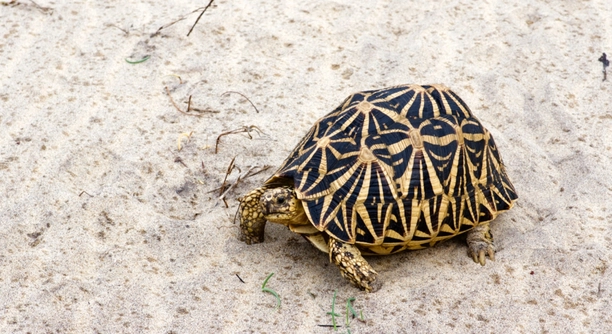
Turtles are fascinating creatures, but sometimes their behavior can leave us puzzled. One common thing turtle owners notice is their pet hiding under rocks. This behavior is quite normal, though there are a few reasons behind it.
Turtles hide under rocks as a way to feel safe and secure. This behavior is often linked to their natural instincts, where they seek shelter to avoid predators or environmental stress. Hiding can also provide comfort.
Understanding your turtle’s hiding habits can help you create a more comfortable environment for it. Ensuring its habitat is appropriate will lead to a happier, healthier turtle.
Why Turtles Hide: Instincts and Comfort
Turtles have natural instincts to protect themselves from danger, and hiding under a rock or shelter gives them a sense of security. In the wild, turtles often seek out spots where they can feel protected from predators and environmental threats. This behavior helps them avoid being vulnerable. For pet turtles, this instinct is still present. Even in a controlled environment like an aquarium or tank, turtles may retreat to darker, enclosed spaces. It’s important to ensure that your turtle’s habitat includes plenty of hiding spots where it can feel safe, allowing it to thrive.
Hiding is not always a sign of distress. Sometimes, it’s just a way for your turtle to feel relaxed and at ease.
The rock or shelter serves as a physical barrier that shields the turtle from the outside world. While the turtle might seem to hide for long periods, it could simply be resting or observing its surroundings from a safe spot. The key is to create an environment where your turtle can feel secure, and having a few different options for hiding spots can prevent stress. Make sure the hiding place isn’t too cramped or difficult to access, as this might cause frustration or discomfort. The hiding spot should be easy for your turtle to find and retreat to when needed. By offering this sense of security, you’re helping your turtle maintain its health and well-being.
Is Your Turtle Hiding Due to Illness?
Sometimes, a turtle hiding can be a sign of illness. If your turtle is suddenly hiding more than usual, it may be feeling unwell.
When a turtle is sick, it may retreat to a hiding place to avoid interacting with its environment. If the hiding becomes frequent and prolonged, it’s a good idea to look for other signs of illness, such as lethargy, lack of appetite, or changes in appearance. A turtle in distress may seek shelter in an attempt to recover or reduce discomfort. To ensure your turtle’s well-being, closely monitor its behavior. If you notice anything unusual, it might be time to consult with a vet.
The health of your turtle depends on many factors. A sudden change in its behavior, such as excessive hiding, can indicate more than just a need for rest. If your turtle isn’t eating, moving, or reacting as it normally would, you may need to adjust its environment or care routine. Make sure the water temperature is correct, as cold water can make turtles sluggish and more likely to hide. Also, check for any injuries or signs of infection that may need attention. Stress, poor water quality, and diet issues can also cause a turtle to hide. Ensuring your turtle’s habitat is clean, warm, and appropriately sized can reduce stress. If the turtle’s behavior doesn’t improve, it’s essential to seek professional advice to rule out health problems and give your pet the best chance for recovery.
Temperature and Environment
Turtles are sensitive to temperature changes. If their environment is too cold or too hot, they may retreat to a hiding spot to regulate their body temperature.
A turtle’s behavior can be significantly influenced by the water and air temperature. If the water is too cold, a turtle may become lethargic and seek shelter to conserve energy. Conversely, high temperatures can cause stress, making the turtle feel the need to hide. It’s essential to maintain a consistent temperature range in your turtle’s tank to help it feel comfortable. If the temperature fluctuates too much, the turtle may use hiding spots more frequently.
Check the water temperature using a thermometer to ensure it stays within the ideal range, usually between 75-85°F (24-29°C). If the air temperature is too hot, the turtle might also seek shelter to avoid overheating. Setting up a basking area with a heat lamp can help create a comfortable gradient in the habitat. This allows the turtle to regulate its temperature by choosing where to rest, whether in the warmer or cooler part of the tank.
Proper Hiding Spots
Providing proper hiding spots for your turtle is crucial for its well-being. These spots allow your turtle to feel secure and reduce stress.
A good hiding spot mimics the natural environment, offering shelter and protection. The hiding area should be large enough for your turtle to enter and move around but not so cramped that it causes discomfort. Try to provide different options in your tank. These can include rocks, caves, or plants that create a secluded area. Make sure they’re easy for the turtle to access and that they won’t collapse or get in the way of its movement.
It’s important to clean the hiding spots regularly to avoid bacteria or mold build-up. Turtles are more likely to use a hiding spot if it feels safe and hygienic. If your turtle hides more often than expected, it could be a sign that the area isn’t suitable. Experiment with different types of hiding spots to see which one your turtle prefers. A variety of options encourages natural behavior and makes the environment more interesting for your turtle.
Stress and Anxiety
Turtles may hide more often when they feel stressed or anxious. Changes in their environment can trigger these feelings.
Stress can be caused by various factors, including loud noises, sudden movements, or overcrowded tanks. It’s important to minimize disruptions in your turtle’s space. Ensuring a calm, quiet environment helps reduce stress and allows your turtle to feel safe.
Tank Size and Space
A small or overcrowded tank can contribute to a turtle hiding more often. Turtles need enough space to move and explore.
If your tank is too small, the turtle might feel confined and seek out hiding spots to escape the feeling of being cramped. A larger tank with ample swimming room allows your turtle to feel more at ease. A spacious environment promotes physical activity and reduces stress. If your tank is overcrowded, the turtle may not have enough space to retreat to a comfortable spot. Make sure there’s plenty of room for your turtle to roam freely and hide when needed.
Diet and Feeding Habits
Poor diet can cause turtles to hide more often. If they’re not getting the proper nutrients, it can lead to discomfort.
A balanced diet is essential for a turtle’s health. Feeding your turtle high-quality food with the right nutrients can prevent hiding due to hunger or discomfort. If a turtle isn’t eating enough or has a poor diet, it may retreat and avoid interaction. Overfeeding can also cause digestive issues, leading to more hiding behavior. By providing a proper diet, you help your turtle stay healthy and active, reducing its need to hide.
FAQ
Why is my turtle always hiding under the rock?
Turtles instinctively seek shelter to feel safe. Hiding under a rock or in a quiet corner of the tank is their way of protecting themselves from perceived threats. It’s a natural behavior that helps them feel secure. If your turtle is healthy and the habitat is comfortable, hiding could simply be a sign that your turtle is resting or trying to maintain a sense of safety. Make sure the tank is spacious and offers plenty of hiding spots to accommodate this instinctive behavior.
How can I tell if my turtle is stressed?
Signs of stress in turtles can vary, but common indicators include excessive hiding, loss of appetite, or unusual behavior like pacing or swimming aimlessly. Stress can be caused by sudden changes in the environment, overcrowding, loud noises, or an improper tank setup. Check if the water temperature is right, the tank isn’t too small, and there aren’t external factors causing discomfort. If your turtle continues to act unusually, it might be a good idea to monitor its behavior closely and make adjustments to its environment.
How often should I feed my turtle?
Feeding frequency depends on the age of your turtle. Young turtles typically need to be fed daily, while adult turtles can be fed every other day. A balanced diet consisting of both protein (like insects or fish) and vegetables (such as leafy greens) is important. Overfeeding can lead to obesity, which might cause health problems, so it’s best to provide a portion size appropriate for your turtle’s age and species. Monitor how much your turtle eats, and adjust the feeding schedule as needed.
Can a turtle hide too much?
Yes, a turtle hiding too often could be a sign of an underlying issue. If it’s hiding excessively and not coming out to eat or swim, it may be feeling stressed or unwell. This behavior can also indicate that the water temperature is off, or there could be something wrong with its diet or environment. If your turtle is hiding a lot, observe if there are other signs of illness, such as lethargy, poor appetite, or unusual markings on the skin or shell. If the behavior doesn’t improve after environmental adjustments, consider consulting a vet.
Is it okay to disturb a turtle when it’s hiding?
It’s best not to disturb a turtle when it’s hiding unless it’s necessary. If your turtle is in its hiding spot and appears to be resting, let it be. Constant disturbance can cause stress. However, if you notice the turtle is hiding excessively and isn’t coming out for food or water, it’s worth investigating the situation. Ensure that the hiding spot is clean, easily accessible, and not causing your turtle any distress. If there are signs of illness or discomfort, it’s important to check on it more closely.
How can I make my turtle feel safe?
To make your turtle feel safe, provide a calm and quiet environment with plenty of space and hiding spots. Ensure the tank is large enough for the turtle to move freely. Offer various hiding spots such as rocks, caves, or plants, where it can retreat when needed. The water should be at the right temperature, and the overall habitat should be clean and stable. Reducing loud noises or disturbances around the tank will also help your turtle feel less stressed and more secure.
What should I do if my turtle stops eating?
If your turtle stops eating, it may be a sign of illness or an issue with its environment. Check if the water temperature is appropriate and ensure the tank isn’t too crowded. Poor water quality or stress could also cause a lack of appetite. Make sure your turtle is receiving a balanced diet. If your turtle continues to refuse food for more than a couple of days, or shows other signs of distress, it’s time to consult with a vet. A lack of appetite can sometimes indicate serious health problems that require professional care.
Can my turtle get lonely?
Turtles are generally solitary animals and do not need social interaction like other pets. However, they can still benefit from an enriched environment. Providing a variety of items for them to explore, such as rocks, plants, and logs, can keep them mentally stimulated. Some species of turtles may be more social than others, but most prefer a solitary lifestyle. If you have multiple turtles, monitor their behavior closely to make sure they are not becoming territorial or stressed.
What are the best hiding spots for my turtle?
Turtles enjoy hiding in spaces that resemble their natural habitat, such as caves, rock piles, or plant thickets. You can use commercially available turtle caves, hollow logs, or even flat rocks that create small shelters. Ensure that the hiding spots are easy for your turtle to access and not too small or cramped. It’s also important to make sure the shelter is clean, as dirty hiding spots can lead to bacteria buildup and health problems. Offering a variety of hiding spots in different parts of the tank will give your turtle choices and allow it to feel more secure.
How do I know if my turtle is too cold?
A turtle that is too cold will likely show signs of sluggishness and may hide more often. If the water temperature is below the ideal range for your species, the turtle might try to conserve energy by staying in a sheltered spot. Check the water temperature with a thermometer to ensure it’s between 75-85°F (24-29°C). Cold water can lead to slower digestion and cause the turtle to become less active. Adjusting the water temperature and providing a basking area with a heat lamp will help your turtle feel more comfortable.
Final Thoughts
Turtles are unique creatures with natural instincts that guide their behavior, including the tendency to hide. Whether they are hiding under a rock, in a corner of their tank, or in a more secluded area, it’s usually a sign that they are seeking comfort and safety. For many turtles, this behavior is a natural way to cope with environmental changes, stress, or even just a way to rest. By observing your turtle’s habits and providing an environment that mirrors its natural needs, you can ensure that your turtle remains healthy and content. Offering the right temperature, space, and hiding spots will go a long way in keeping your turtle happy.
Understanding why your turtle hides can help you figure out if there’s something wrong with its environment or health. If your turtle is hiding more than usual, it could be due to stress, temperature issues, or a change in its surroundings. A sudden change in the habitat, such as loud noises, overcrowded tanks, or water temperature fluctuations, can make your turtle feel unsafe or stressed. This could lead to more frequent hiding as your turtle seeks refuge from these perceived threats. By keeping the tank clean, ensuring the right water temperature, and offering plenty of hiding spots, you can minimize stress and help your turtle feel secure.
If hiding becomes excessive or is accompanied by other signs of illness, such as loss of appetite or lethargy, it’s essential to take action. It’s always a good idea to monitor your turtle closely and address any changes in behavior. A healthy, well-maintained environment plays a key role in keeping your turtle active and happy. Regular check-ups with a vet can also help ensure that your turtle is in good health. Ultimately, understanding your turtle’s needs and responding to its behavior will make a big difference in its overall well-being. By creating a safe, comfortable environment, your turtle will feel more confident and less likely to hide for extended periods.

Hello,
If you enjoy the content that we create, please consider saying a "Thank You!" by leaving a tip.
Every little bit helps us continue crafting quality advice that supports the health, happiness, and well-being of pets around the world, for pets of all shapes, sizes, and species.
We really appreciate the kindness and support that you show us!