
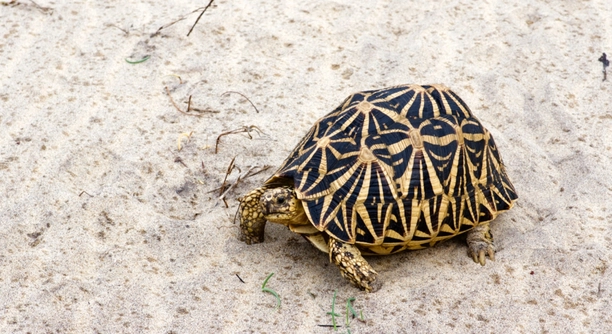
Creating a comfortable and safe environment for your turtle is essential. Choosing the right wood for their habitat can make a big difference in their health and well-being. This guide will explore the best options for your turtle’s home.
The best types of wood for a turtle habitat are those that are safe, durable, and easy to clean. Woods like driftwood, cypress, and oak are great choices as they provide hiding spots and climbing opportunities while being safe for turtles.
Selecting the right wood can enhance your turtle’s space, providing both aesthetic value and functionality. Keep reading to learn about the ideal types of wood to include in your turtle’s habitat.
Driftwood
Driftwood is one of the most popular choices for a turtle habitat. It’s not only visually appealing but also offers great hiding spots for your turtle. Driftwood is naturally weathered, making it smooth and safe for turtles to climb and bask on. This wood doesn’t splinter easily, which is important for turtle safety. Additionally, driftwood provides a natural, rustic look that mimics a turtle’s natural environment. It’s important to wash driftwood thoroughly to remove any contaminants before placing it in the habitat. While driftwood is a great option, it’s important to note that it can be heavier and may need a bit of extra support in the tank.
Driftwood’s natural appeal and ease of use make it a favorite among turtle owners. Just ensure it’s fully cleaned before use.
For added safety, keep an eye on driftwood for signs of wear or bacteria buildup. Over time, it may become slippery or moldy, so periodic cleaning is necessary. Always remove any pieces that begin to break down or pose a potential risk to your turtle’s health. It’s also important to note that some driftwood varieties may alter the water’s pH level, so test your water regularly to maintain a healthy environment.
Cypress
Cypress wood is another excellent choice for turtle habitats. It is naturally resistant to decay, which makes it a long-lasting option. This wood is also relatively lightweight, making it easy to move and arrange in the tank. Cypress doesn’t release harmful chemicals or toxins, making it safe for your turtle to interact with. It’s an ideal choice for turtles that enjoy basking and climbing, as it provides a solid structure. Cypress is also less likely to splinter, which helps protect your turtle’s soft shell from injury.
Cypress wood’s resistance to decay and its safe properties make it a reliable choice.
Cypress wood’s durability is a key advantage, especially in aquatic environments where humidity levels are high. While it’s resistant to rotting, regular cleaning is still necessary to prevent the buildup of algae or mold. Its texture makes it easy for turtles to grip while basking or moving around, which adds to its practical benefits. If you want a wood that will last for a long time while also maintaining safety for your turtle, cypress is a solid choice. However, remember to treat it properly to preserve its integrity and ensure your turtle’s space remains hygienic.
Oak
Oak is a sturdy, durable wood that works well for turtle habitats. It’s safe, non-toxic, and provides an excellent surface for turtles to climb and bask. Oak’s natural toughness ensures it can handle the wet conditions inside a turtle tank without breaking down quickly. However, it can be heavier than other types of wood, so you may need extra support to keep it in place. Regular cleaning is important to prevent mold or bacteria buildup. Oak can last a long time in an aquatic environment, making it a solid investment for your turtle’s space.
Oak can be difficult to find in some areas, but when you do, it’s an ideal material for a turtle habitat. The durability and texture provide both practical and aesthetic benefits. If you plan on using oak, make sure the wood is untreated, as chemicals and finishes can harm your turtle. Oak is also a great choice because of its ability to hold up in humid conditions. Since oak wood is dense, it helps keep the tank setup stable and secure.
Despite being resistant to rot, oak can still develop mold or bacteria over time. This can be problematic if not cleaned regularly. Oak wood can also increase the hardness of the water, so you may want to monitor the water quality closely. Using oak in moderation or combining it with other types of wood can help balance these effects. For those looking for a long-lasting, robust option, oak can be a great choice, but maintenance and water testing should always be part of the process.
Bamboo
Bamboo is a lightweight and attractive option for turtle habitats. It is eco-friendly, fast-growing, and generally safe for turtles. Bamboo’s smooth texture makes it easy for turtles to climb without causing injury. It also adds a unique, natural touch to the tank. However, bamboo can break down in moist conditions over time, so it may need to be replaced after a few months of use. It is best to avoid bamboo that has been treated with chemicals, as these can harm your turtle.
Bamboo is a popular choice for turtle habitats because it provides a natural feel without overwhelming the space. Its versatility makes it easy to incorporate into various tank setups, whether you’re creating basking areas or underwater hides. Though bamboo isn’t as durable as hardwoods like oak or cypress, its lightweight properties make it easier to handle and arrange. Bamboo can also be used as a decorative element, providing your turtle with an interesting environment to explore. Be sure to check the bamboo regularly to ensure it’s still in good condition.
Since bamboo is more fragile than other types of wood, it’s important to keep an eye on its condition. Over time, bamboo may start to decay, especially if exposed to water for long periods. If this happens, it’s a good idea to replace it before any damage occurs. Some turtles may chew on bamboo, which is generally safe but could lead to rapid wear. Regular maintenance and periodic inspection are key to keeping bamboo functional and safe for your turtle’s habitat. Consider mixing bamboo with sturdier wood types to balance durability and aesthetic appeal.
Maple
Maple is a softwood that’s safe for turtles. It’s easy to shape and carve, making it ideal for creating unique features in a turtle tank. However, maple is not as durable as hardwoods and can break down faster in humid environments. Regular cleaning is essential to maintain its safety.
Despite being softer, maple can still serve as an excellent addition to your turtle’s habitat when used correctly. It provides a safe surface for your turtle to climb and hide. Maple also blends well with other woods, adding to the natural aesthetic of the tank. It’s best to check the wood frequently for wear, as it tends to break down faster when submerged for extended periods.
Pine
Pine is commonly found and easy to work with, but it requires extra caution. It contains natural resins that can irritate turtles and negatively affect water quality. While it’s cheap and easy to obtain, it’s better suited for decorative purposes rather than as a permanent fixture in the habitat.
Although pine wood looks attractive and is often easy to find, it’s not the best option for turtles. The resins found in pine can release harmful substances, so it’s essential to avoid untreated or resin-heavy pine wood. If you choose to use it, ensure that it’s thoroughly dried and placed in dry areas of the tank, like basking spots. You can also combine it with other safer woods to limit its exposure to water.
FAQ
Is it safe to use any type of wood in a turtle tank?
Not all woods are safe for turtles. Some types of wood can release toxins or chemicals harmful to them. It’s essential to choose wood that is untreated and safe for aquatic environments. Driftwood, cypress, oak, and bamboo are among the safest options for a turtle habitat. Avoid using pine or cedar, as these contain resins that can irritate your turtle and affect water quality. Always clean and prepare the wood before introducing it to the tank.
How can I prepare wood for my turtle tank?
To prepare wood, begin by thoroughly cleaning it to remove dirt, bark, or any debris. Soaking the wood in water for several days helps remove any contaminants, such as bacteria or chemicals. If the wood is driftwood, boiling it for a short time can also help disinfect it. After cleaning, allow the wood to dry completely before placing it in the tank. It’s also recommended to soak it in water for a few days to test if it leaches any tannins that could discolor the water, although tannins are generally safe for turtles.
What types of wood should I avoid in my turtle habitat?
Certain woods, like pine, cedar, and redwood, should be avoided in turtle tanks. Pine and cedar contain natural oils and resins that can irritate your turtle’s skin and eyes. These resins can also alter the water quality, making it unhealthy for your turtle. Redwood is also not recommended due to its potential to affect water chemistry and its tendency to break down more quickly in water. Always choose untreated hardwoods like oak, cypress, or driftwood for the safest option.
How often should I clean the wood in my turtle tank?
Regular cleaning of the wood is important to ensure your turtle’s habitat stays healthy. The frequency of cleaning depends on the water quality and the type of wood. Typically, it’s a good idea to check the wood for mold or algae buildup at least once a month. If you notice any significant discoloration, slime, or odor, it’s time to clean the wood. You can scrub the wood with a soft brush, ensuring you don’t damage it. Be sure to rinse the wood thoroughly before returning it to the tank.
Can I use treated wood for my turtle habitat?
It’s not recommended to use treated wood in your turtle’s habitat. Treated wood is often coated with chemicals that help preserve it, but these chemicals can be harmful to turtles. These preservatives, such as chromated copper arsenate (CCA), can leach into the water and poison your turtle. Always use untreated, natural wood that’s been properly cleaned to avoid introducing harmful substances into your turtle’s environment.
Is it okay to use wood that sinks in water?
Wood that sinks is generally fine for turtle tanks, as it mimics the natural habitat of turtles. However, you’ll want to ensure the wood is stable and doesn’t shift around in the tank, which could cause injury to your turtle. Heavier woods like oak or driftwood typically sink and can provide solid basking areas or hiding spots. If the wood is buoyant, you may need to weigh it down to keep it in place.
Can wood affect the water’s pH level?
Yes, some types of wood, like driftwood, can lower the pH level of the water. This is because they release tannins into the water, which can make the water more acidic. While a slightly lower pH isn’t harmful to most turtles, it’s important to monitor the water quality regularly. If you’re concerned about the pH drop, you can use water conditioners or perform partial water changes to keep the levels stable. Some turtle species are more sensitive to pH changes than others, so make sure you know the ideal range for your turtle.
How do I know if the wood is safe for my turtle?
To ensure the wood is safe for your turtle, make sure it’s untreated, free of chemicals, and doesn’t have any sharp edges or splinters. You can inspect the wood for any cracks, mold, or signs of rot, which can pose a risk to your turtle’s health. Additionally, check if the wood leaches tannins into the water, as this could affect water quality. Safe wood options like driftwood, oak, cypress, and bamboo are typically the best choices. If in doubt, consult an expert or pet store specializing in reptiles for advice.
Should I use wood in a turtle tank with only aquatic areas?
If your turtle habitat is completely aquatic, you can still use wood, but consider the water’s balance and the turtle’s need for dry space. Some turtles may appreciate a submerged log for hiding or resting underneath. Just ensure the wood won’t disrupt the tank’s filtration system or create an overly acidic environment due to tannin release. In purely aquatic setups, driftwood works particularly well as it provides natural hiding spots and is safe for turtles to interact with.
What if my turtle chews on the wood?
If your turtle chews on the wood, it’s usually not a major concern as long as the wood is safe and untreated. Turtles may nibble on wood out of curiosity or boredom. Just ensure the wood doesn’t splinter or break into small pieces that could be ingested and cause harm. If you notice excessive chewing or a significant amount of wood being consumed, you might want to provide more enrichment, such as toys or more hiding places, to keep your turtle occupied and prevent it from chewing too much on the wood.
Final Thoughts
Choosing the right type of wood for your turtle’s habitat is an important decision that can impact their health and happiness. Safe, durable wood can provide your turtle with the right environment to climb, bask, and hide. Woods like driftwood, cypress, and oak are ideal because they offer both practical benefits and aesthetic value. These types of wood are generally safe for turtles and can withstand the humid conditions of an aquatic tank. When choosing wood, it’s essential to avoid types that could release harmful chemicals, such as pine or cedar. Always ensure that the wood is untreated and thoroughly cleaned before placing it in the tank.
Taking proper care of the wood in your turtle’s habitat is also key. Regular cleaning is necessary to prevent the buildup of mold, algae, or bacteria, which can affect the health of your turtle. Wood can sometimes release tannins that may lower the pH of the water, so it’s important to monitor the water quality regularly. This helps keep the environment safe and comfortable for your turtle. Over time, some wood types may break down or become less stable, so it’s essential to check the wood for any signs of wear and replace it if needed. By staying on top of these small maintenance tasks, you’ll create a safer space for your turtle to thrive.
Overall, wood plays a significant role in creating a natural and enriching environment for your turtle. Not only does it enhance the look of their habitat, but it also provides them with essential areas to rest, climb, and explore. It’s important to choose the right wood, take care of it, and keep an eye on its condition over time. By doing so, you can ensure that your turtle has a safe, comfortable, and enjoyable space to live in.

Hello,
If you enjoy the content that we create, please consider saying a "Thank You!" by leaving a tip.
Every little bit helps us continue crafting quality advice that supports the health, happiness, and well-being of pets around the world, for pets of all shapes, sizes, and species.
We really appreciate the kindness and support that you show us!