
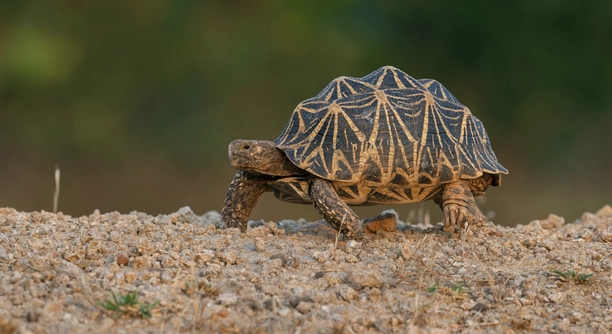
Turtles are unique creatures with specific dietary needs. If you’re a pet owner, you might wonder if feeding them cat food is a good idea. It’s important to understand what they can safely eat.
Turtles should not eat cat food, as it does not provide the essential nutrients they require. Cat food is high in protein and fat, which can lead to obesity and other health issues for turtles.
The wrong diet can cause health problems for your turtle, making it important to know what foods are best for them. Keep reading to learn why feeding cat food to your turtle is a bad idea.
High Protein and Fat Content
Cat food is packed with protein and fat, which is not suitable for turtles. Turtles in the wild mostly consume plants, insects, and smaller animals. Their bodies are not built to process high levels of protein and fat like cats. When turtles eat cat food, they may gain excessive weight and develop problems such as liver disease or kidney issues. This can shorten their lifespan and cause discomfort.
Turtles have specific dietary needs that are easily overlooked when we try to feed them foods meant for other animals. A balanced diet for turtles consists mainly of vegetables, fruits, and occasionally protein from insects or small fish.
A high-fat diet from cat food can affect your turtle’s digestive system, making it harder for them to properly absorb nutrients. Their natural digestion process is slower, and consuming too much fat can lead to bloating, discomfort, or even more serious conditions like fatty liver disease. Turtles need a low-fat diet to thrive and stay healthy.
Lack of Essential Nutrients
Cat food lacks important nutrients that turtles need. Unlike turtles, cats require certain vitamins and minerals that aren’t ideal for turtles. Turtles need a specific balance of calcium, vitamin D, and phosphorus to keep their shells and bones strong.
Without these vital nutrients, turtles can suffer from weakened shells or even deformities. For example, calcium helps with shell development, while vitamin D aids in calcium absorption. Without proper calcium levels, your turtle could develop metabolic bone disease, a painful condition that affects their overall health.
It’s important to feed turtles a varied diet, including leafy greens like kale or collard greens, and calcium-rich foods like cuttlebone or calcium supplements. These foods help to prevent deficiencies and ensure your turtle’s shell remains strong and healthy. Turtles should be given food specifically formulated for their needs, not just anything you have on hand.
Risk of Obesity
Feeding cat food to turtles increases their risk of obesity. This happens because the food is too rich in fat and calories. Turtles naturally have a slower metabolism, which makes it difficult for them to burn off excess fat. Over time, this can lead to unhealthy weight gain.
Obesity in turtles can cause a range of health problems. Overweight turtles may struggle with mobility, making it harder for them to swim or move around. Their internal organs, like the heart and lungs, can be put under strain due to excess fat. This can significantly reduce their quality of life and lead to other health complications.
An overweight turtle may also be more prone to infections. If their shell becomes overly thick or fatty, it can affect how well their body is able to regulate temperature. This puts stress on their immune system, leaving them vulnerable to diseases. By avoiding cat food, you can keep your turtle at a healthy weight.
Digestive Issues
Turtles can develop digestive issues from eating cat food. The ingredients in cat food are often not suitable for their digestive system. Turtles need a diet that is easy for them to process, and cat food can be too rich and difficult to digest.
If a turtle eats too much cat food, it can lead to gastrointestinal problems like diarrhea, bloating, or constipation. These issues can cause discomfort and stress for the turtle. Over time, this can affect their overall health, making them less active and more prone to illness. If digestive problems persist, the turtle may lose its appetite or refuse food altogether.
To avoid digestive issues, turtles should stick to a more appropriate diet. Offering fresh vegetables and fruits, along with occasional protein from insects or small fish, ensures that their digestive system stays healthy. It’s important to monitor your turtle’s health and diet to prevent any unwanted complications.
Nutrient Imbalance
Cat food doesn’t provide the proper balance of nutrients that turtles need. While cat food is designed to meet the dietary needs of cats, it lacks many essential nutrients required by turtles, especially those needed for shell and bone health.
Turtles need a diet that includes the right amount of calcium, fiber, and vitamins. Without the proper balance, turtles may develop health issues like weak shells, metabolic bone disease, or poor growth. Cat food can’t replace the nutrients that turtles get from a more varied and plant-based diet.
Dehydration Risk
Cat food can lead to dehydration in turtles. The dry kibble, especially if consumed in excess, doesn’t provide the moisture that turtles naturally get from their aquatic environment.
Turtles need to stay hydrated, and dry foods can increase the risk of dehydration, leading to further health complications. Dehydration can cause issues like lethargy, poor skin condition, and even kidney problems. A hydrated turtle is much healthier and more active, so it’s essential to avoid feeding them dry, inappropriate foods.
Risk of Kidney Disease
Feeding a turtle too much cat food can increase the risk of kidney disease. The high protein levels found in cat food put extra strain on a turtle’s kidneys. Over time, this can lead to kidney failure.
Kidneys are responsible for filtering waste and regulating fluids in a turtle’s body. Consuming excessive protein, especially from a source not suited for their digestive system, can overwhelm their kidneys. This can ultimately lead to organ damage and other severe health issues. Keeping a turtle’s diet balanced with proper food will help protect their kidneys and overall health.
Can turtles eat wet cat food?
While wet cat food is softer and contains more moisture than dry cat food, it still isn’t suitable for turtles. It’s still packed with too much protein and fat that turtles cannot properly digest. Turtles require a well-balanced diet, and wet cat food doesn’t meet their nutritional needs. Feeding wet cat food could still result in obesity, kidney issues, and digestive problems, just like dry cat food. Stick to foods designed for turtles to ensure their health and wellbeing.
What should I feed my turtle instead of cat food?
Turtles should be fed a diet that mimics what they would eat in the wild. This includes leafy greens like kale, collard greens, and dandelion greens, which provide essential vitamins and minerals. You can also offer fruits like strawberries, melons, and apples in moderation. For protein, you can feed them insects, worms, or small fish like minnows or shrimp. Some turtles may also enjoy commercial turtle pellets designed to meet their specific nutritional needs. Always ensure the food is appropriately sized and clean, and make sure to offer fresh water for hydration.
How much should I feed my turtle?
The amount of food a turtle needs depends on its age, size, and species. Younger turtles require more protein and should be fed daily, while adults typically need less protein and can be fed every other day. Generally, you should offer enough food for your turtle to eat within 15 to 30 minutes. Avoid overfeeding, as this can lead to obesity and other health problems. Pay attention to their behavior after feeding; if they consistently leave food behind, you may be offering too much. Adjust their diet based on how much they consume and their health.
Is it safe to feed my turtle cat food occasionally?
It’s not recommended to feed your turtle cat food at all, even occasionally. While it may seem harmless, the high protein and fat content can quickly cause health issues such as obesity, kidney disease, and digestive problems. A single serving may not seem like much, but feeding it frequently can lead to long-term complications. It’s best to stick to a turtle-appropriate diet to ensure they get the proper nutrients and maintain their health.
Can baby turtles eat cat food?
No, baby turtles should not eat cat food. They require a diet rich in protein to support their rapid growth, but the protein from cat food is too high and unbalanced. Baby turtles need to eat foods like insects, small fish, and specific turtle pellets formulated for their young age. Overfeeding or providing the wrong diet at this stage can lead to health problems that affect their development and longevity. A proper diet with the right balance of nutrients will help them grow into healthy adult turtles.
What are the symptoms of overfeeding my turtle?
Overfeeding can lead to several health issues for your turtle. Common symptoms include weight gain, lethargy, and a lack of interest in swimming or moving around. Obesity in turtles can make it difficult for them to move freely, which can cause stress and discomfort. You may also notice your turtle having trouble with their shell, as too much fat can cause it to become soft or deformed. If you notice any of these signs, reduce their food intake and ensure that their diet is balanced and appropriate for their species.
Can turtles eat fish food or pet fish food instead of cat food?
Fish food is typically better for turtles than cat food, but it still isn’t ideal. Fish food is formulated to meet the needs of fish, not reptiles. While it might be lower in fat and protein than cat food, it still lacks the nutrients turtles need for bone and shell health. Turtles can occasionally eat small amounts of fish food if it’s low in additives and fillers, but it should not be a regular part of their diet. Stick to a diet that includes fresh vegetables, fruits, and protein from insects or shrimp for the best results.
What happens if my turtle eats too much protein?
Excess protein can lead to kidney damage and metabolic problems in turtles. Protein is essential for growth, especially in younger turtles, but too much can strain their kidneys and liver. Over time, a high-protein diet can cause kidney disease, leading to symptoms like lethargy, weight loss, or difficulty moving. Excess protein can also contribute to an imbalanced diet, preventing the turtle from getting the right nutrients, such as calcium and fiber, which are necessary for maintaining a healthy shell and overall health.
Can turtles eat chicken or meat?
Turtles can eat small amounts of chicken or meat, but it should not be a regular part of their diet. In the wild, turtles may eat small mammals or birds, but these foods are not ideal for them. Chicken and meat are high in protein and fat, which can cause kidney problems and obesity if fed too frequently. If you want to offer meat, make sure it is cooked and free of seasoning or additives. A better option is to feed your turtle small fish, insects, or worms that more closely resemble their natural diet.
Is it okay to feed my turtle pet store turtle food?
Pet store turtle food can be fine if it’s specifically designed for turtles, but not all turtle food is created equal. Be sure to read the label and ensure it contains a balanced mix of protein, vitamins, and minerals. Some commercial turtle foods contain excessive fillers or low-quality ingredients, so it’s important to choose high-quality food. It’s also a good idea to supplement their diet with fresh vegetables, fruits, and occasional protein sources to ensure they are getting the full range of nutrients they need. Always avoid feeding them foods that contain artificial colors or preservatives.
Feeding turtles cat food might seem like an easy option, but it’s not the best choice for their health. While turtles may occasionally nibble on small amounts of cat food without immediate harm, it doesn’t meet their specific dietary needs. Turtles require a balanced diet, primarily made up of leafy greens, vegetables, and occasional protein from insects or small fish. Cat food, on the other hand, is designed for cats and contains high levels of fat and protein, which can lead to serious health problems in turtles, such as obesity, kidney disease, and digestive issues. Choosing the right food for your turtle is essential to ensure they live a long, healthy life.
A turtle’s diet is much more than just food; it’s about providing them with the right nutrients to keep their bones strong, their shell healthy, and their organs functioning properly. When you feed them foods like kale, dandelion greens, and fruits like berries or melons, you’re helping to meet their nutritional needs. Additionally, the right protein sources, such as insects or small fish, should be included occasionally. Unlike cat food, these options align with a turtle’s natural diet, allowing them to thrive. Regularly feeding them the wrong food, such as cat food, disrupts this balance and can result in long-term health complications.
Ultimately, it’s important to treat your turtle’s diet with the same care as you would any other pet’s. Their needs are unique, and it’s our responsibility as pet owners to provide them with the right food to support their health and well-being. Instead of taking shortcuts with inappropriate food, focus on offering a variety of fresh, nutritious options. By doing so, you’ll not only prevent serious health problems, but you’ll also give your turtle the best chance at a happy, healthy life.

Hello,
If you enjoy the content that we create, please consider saying a "Thank You!" by leaving a tip.
Every little bit helps us continue crafting quality advice that supports the health, happiness, and well-being of pets around the world, for pets of all shapes, sizes, and species.
We really appreciate the kindness and support that you show us!