
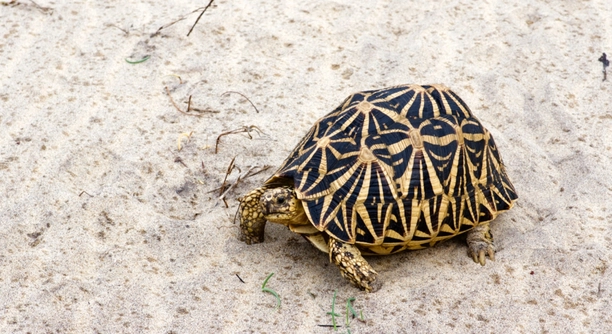
Turtles are wonderful pets, but they require proper care to stay healthy and happy. Grooming is an essential part of their routine, ensuring they are clean and comfortable in their environment. Understanding the right steps can make a big difference.
Turtle grooming involves regular cleaning of their shell, maintaining a proper habitat, and checking for signs of illness. Proper grooming prevents shell rot, skin infections, and keeps your turtle feeling its best while helping you spot potential health issues early.
Turtle grooming is more than just bathing them. It includes checking their nails, cleaning their tank, and giving them the right kind of diet. Keeping your turtle’s environment clean and hygienic will ensure they live a long, happy life.
Keep Your Turtle’s Shell Clean and Healthy
One of the most important aspects of grooming your turtle is keeping its shell clean. The shell acts as a protective armor for the turtle, and if it becomes dirty or damaged, it can lead to health problems. Regular cleaning prevents the buildup of algae, dirt, or bacteria that may cause infections. You can clean the shell by gently scrubbing it with a soft brush and warm water. Avoid harsh chemicals that could irritate the turtle’s skin or shell. You can also soak your turtle in shallow water to help remove stubborn debris. Just be sure not to scrub too hard, as this can cause damage to their delicate shells.
Maintaining a clean shell prevents infections and shell rot. It is crucial for a turtle’s overall health. Use mild cleaning methods like a soft brush and warm water to ensure you don’t damage the shell.
A clean shell not only keeps your turtle healthy but also contributes to their comfort. Keeping the shell free from dirt or algae growth helps prevent harmful bacteria from setting in. Regular cleaning can also make the turtle feel more at ease, allowing it to move and bask more freely.
Provide the Right Environment for Grooming
The environment you keep your turtle in plays a huge role in its grooming. A clean, properly set-up tank helps prevent health issues and ensures the turtle stays comfortable. The tank should be equipped with a basking area, UVB light, and a water filtration system. Regularly changing the water is essential to keeping the turtle healthy. Make sure the water temperature is warm enough for the turtle, but not too hot. Keeping the tank clean will help prevent unwanted bacteria and parasites that could affect your turtle’s skin and shell.
Turtles thrive in clean and stable environments. This not only supports their physical health but also helps to keep them calm and active. Regularly clean the tank and ensure the water conditions are ideal for the turtle to thrive.
Trim Your Turtle’s Nails Regularly
Turtles need regular nail trims to prevent overgrowth. Long nails can cause discomfort or even injury when your turtle is trying to move around. Use nail clippers designed for reptiles to safely trim the nails. Be sure to cut only the tip to avoid hitting the quick, which can cause bleeding. Keep the trimming process calm and steady, as this helps prevent stress. It’s best to get your turtle used to nail trimming at an early age, so they feel more comfortable during the process. If you’re unsure, it’s a good idea to ask a vet for help.
Nail trims are crucial for your turtle’s health and well-being. If nails are left untrimmed, they can become ingrown or cause walking difficulties. Regular trimming will make sure your turtle can move without any problems. Make sure to check the nails frequently and trim them as needed.
Proper nail care also helps prevent your turtle from scratching itself or others in the tank. Overgrown nails can get caught on tank decorations or substrates, causing injury. This simple grooming step is vital for your turtle’s comfort and mobility. It’s an easy task that can significantly improve their overall quality of life.
Monitor Your Turtle’s Skin for Health Issues
Your turtle’s skin should be smooth and free from bumps or sores. If you notice unusual shedding, redness, or swelling, it could indicate a skin infection or other health problem. Check your turtle’s skin regularly, especially after they’ve been in the water. Skin issues can result from poor tank conditions or a lack of UV light exposure. If you notice any changes in your turtle’s skin, it’s important to act quickly. Consult a veterinarian for advice if you suspect anything serious.
Healthy skin allows your turtle to swim, bask, and interact without discomfort. Dry or irritated skin can be a sign of improper care. Proper hydration, good tank conditions, and access to a basking area with UVB light are crucial to maintaining healthy skin. Make sure to regularly monitor your turtle’s skin for any changes.
If your turtle’s skin is peeling excessively, it could be a sign of inadequate humidity or improper temperature. Adjust the tank’s environment to meet your turtle’s needs, and always ensure that it has access to clean, filtered water. If the issue persists, a vet may recommend topical treatments to soothe the skin and prevent further complications.
Bathing Your Turtle
Bathing your turtle helps keep it clean and hydrated. Fill a shallow container with lukewarm water, just enough to cover your turtle’s legs. Soak your turtle for about 15 to 20 minutes. Bathing also helps remove dirt from the shell and prevents skin issues. Avoid using soap or any cleaning products. Regular bathing can help maintain skin health and improve the turtle’s overall cleanliness. Always supervise the turtle during bath time to ensure it stays safe.
Bathing also encourages your turtle to drink water, which helps with digestion. This extra hydration is especially important for land turtles, who may not drink enough from their water source. Bathing your turtle should be done once or twice a week depending on its needs.
Maintaining Proper UVB Lighting
Turtles need UVB light for essential vitamin D synthesis. Without proper UVB lighting, your turtle could develop metabolic bone disease or other health problems. A high-quality UVB lamp should be placed near the basking area and be replaced every six months for best results. UVB exposure is critical for their bone health and digestion. Always ensure the lamp is not too far away from the turtle’s basking spot.
A good UVB light is essential for turtles kept in captivity. It helps them process calcium and maintain healthy bones. Without it, your turtle can become weak and prone to illness. Make sure the lamp mimics natural sunlight to keep your turtle strong and healthy.
Clean Your Turtle’s Tank Regularly
Regular tank cleaning prevents the buildup of waste, bacteria, and algae that can lead to infections or other health issues. Clean the tank every one to two weeks, and perform smaller water changes weekly. Be sure to remove debris and scrub any surfaces that may have developed buildup. Maintaining a clean tank is essential for your turtle’s comfort and health. The water should be filtered, and the tank should be kept at the proper temperature.
A clean tank helps prevent the growth of harmful bacteria. Turtles can be prone to infections if their living space isn’t kept sanitary. Regular cleaning ensures your turtle has a safe and healthy environment to thrive in.
FAQ
How often should I clean my turtle’s shell?
Cleaning your turtle’s shell should be done regularly to remove dirt, algae, and bacteria. A gentle scrub with a soft brush and warm water is recommended once a week. If your turtle spends a lot of time in the water, you may need to clean the shell more frequently. Make sure to avoid using harsh chemicals, as they can irritate the shell. Regular cleaning helps prevent shell rot and other health issues. It’s also a good opportunity to check for any unusual marks or damage to the shell that might need veterinary attention.
How can I tell if my turtle is sick?
Turtles can be good at hiding illness, but there are a few signs to watch for. If your turtle is lethargic, refuses to eat, or has unusual swimming behavior, it could be sick. Other indicators include abnormal shell growth, excessive shedding of skin, or changes in the color of the shell. If you notice any of these symptoms, it’s important to consult with a vet. Early detection of illness can help you treat it before it becomes serious. Regular check-ups will help keep your turtle in top health.
Can I use soap to clean my turtle’s tank?
No, it is not safe to use soap or cleaning products when cleaning your turtle’s tank. Soap can leave harmful residue that may be toxic to your turtle. Instead, use warm water and a safe, reptile-approved cleaner if necessary. Regular water changes and a good filtration system will keep the tank clean. If you need to scrub stubborn spots, a sponge or brush without soap works best. Keeping your tank free from harmful chemicals will ensure your turtle’s environment stays safe and healthy.
How do I provide proper basking conditions for my turtle?
Turtles need a basking area where they can dry off and warm up. This area should have a heat source like a basking light. The temperature should be around 85–90°F (29–32°C). Make sure the light is not too close to the turtle, as it could cause overheating or burns. Additionally, the basking spot should have a flat, dry surface for your turtle to rest on. This will allow them to regulate their body temperature and get the proper amount of UVB light.
Do turtles need UVB light?
Yes, UVB light is crucial for turtles. It helps them produce vitamin D3, which is necessary for calcium absorption and bone health. Without UVB light, your turtle may develop metabolic bone disease or other health problems. The UVB light should be placed above the basking area, and it needs to be replaced every six months, as its effectiveness diminishes over time. Make sure to use a high-quality UVB bulb designed for reptiles, and ensure it provides the correct wavelength for proper absorption.
How often should I change my turtle’s water?
It’s important to change your turtle’s water regularly to keep it clean and free of harmful bacteria. In a well-maintained tank with a good filtration system, you should change about 25–50% of the water every 1 to 2 weeks. If your turtle is particularly messy or the tank has more than one turtle, you may need to change the water more often. Always use dechlorinated water to refill the tank. Frequent water changes will help prevent disease and ensure your turtle has a healthy living environment.
How do I trim my turtle’s nails?
Trimming your turtle’s nails is an important part of grooming. Use reptile nail clippers or human nail clippers with a fine edge. Gently hold your turtle’s foot and trim just the sharp tips of the nails. Avoid cutting too close to the quick, as this can cause bleeding. If you’re unsure about trimming your turtle’s nails, you can take them to a vet for assistance. Regular nail trimming will prevent your turtle’s nails from becoming overgrown, which could interfere with its ability to move or cause injury.
What should I feed my turtle?
Turtles are omnivores, so they need a varied diet that includes both plant and animal-based foods. You can feed them commercial turtle pellets, but it’s also important to include fresh vegetables like leafy greens, as well as some fruit. For protein, offer insects, worms, or small fish. Avoid feeding your turtle too much fruit, as it can be high in sugar. A balanced diet helps maintain your turtle’s overall health and energy levels. Be sure to feed your turtle in moderation to avoid obesity and digestive issues.
How do I keep my turtle healthy in captivity?
To keep your turtle healthy, provide a clean tank with proper water conditions, temperature, and lighting. Make sure the water is filtered and regularly changed, and ensure the basking area is comfortable with adequate heat and UVB light. Provide a balanced diet that includes both plant and animal-based food. Regularly check your turtle for signs of illness, such as abnormal swimming, changes in appetite, or changes in the shell. Giving your turtle plenty of space to swim and explore will also contribute to its physical and mental well-being.
How do I handle my turtle safely?
Turtles are delicate creatures, so it’s important to handle them gently and safely. Always wash your hands before and after handling your turtle to prevent spreading bacteria. Hold the turtle by its shell, never by its legs or head. Keep the turtle close to the ground to prevent any injuries if it falls. Avoid handling your turtle too much, as it can cause stress. Let your turtle explore its environment on its own, and only handle it when necessary. By following these guidelines, you’ll ensure that your turtle feels safe and secure.
Final Thoughts
Taking care of a turtle involves more than just feeding and keeping them in a tank. It requires attention to their grooming, environment, and overall health. From regular shell cleaning to making sure they have the right basking conditions, every step is essential for your turtle’s well-being. Setting up the right environment, with proper lighting, temperature, and clean water, is key to keeping them healthy. Proper care ensures that your turtle can live a long, comfortable life in your home.
Regular maintenance, like trimming their nails, bathing them, and monitoring their skin, can prevent many health issues before they become serious. A clean and well-maintained tank also plays a significant role in preventing infections and other problems. Keeping an eye out for changes in your turtle’s behavior or appearance will help catch any potential health concerns early. If you’re unsure about something, consulting a vet can help put your mind at ease and ensure your turtle is getting the care it needs.
Overall, caring for a turtle can be a rewarding experience. It’s important to provide them with the proper care they deserve so they can thrive in captivity. With the right steps, you’ll ensure that your turtle is not only healthy but also happy. These simple grooming and care tips can go a long way in improving the quality of life for your pet turtle. The more you learn about your turtle’s needs, the better you’ll be able to support them throughout their life.

Hello,
If you enjoy the content that we create, please consider saying a "Thank You!" by leaving a tip.
Every little bit helps us continue crafting quality advice that supports the health, happiness, and well-being of pets around the world, for pets of all shapes, sizes, and species.
We really appreciate the kindness and support that you show us!