
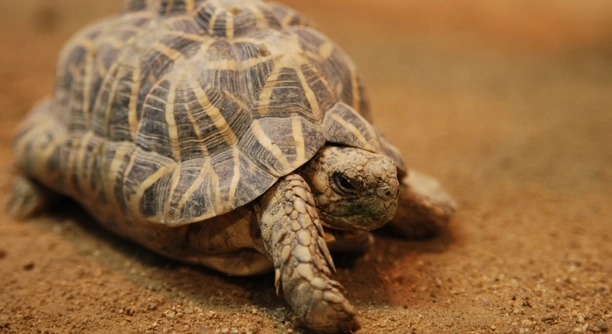
Taking care of an outdoor turtle can seem overwhelming at first, but with the right steps, your turtle can live a long and happy life. Turtles need specific care to thrive, but don’t worry—it’s not too complicated.
To keep your outdoor turtle healthy and happy, focus on providing a proper habitat with fresh water, enough sunlight, and a balanced diet. Regular health checks, proper temperature control, and safety measures will also help your turtle thrive in its outdoor environment.
By following the right guidelines, you can create a safe and enjoyable space for your turtle. Keep reading to learn more about the simple steps that make a big difference in your turtle’s well-being.
Creating the Right Habitat
A healthy habitat is the most important factor for your turtle’s well-being. Your turtle needs access to both water and land, so it’s best to create a balanced environment with these two elements. Choose a spacious enclosure or pond, keeping in mind that turtles need plenty of room to roam and swim. The enclosure should have a shallow water area for them to soak and a dry area for basking. This will help them stay comfortable and maintain good health. When designing the space, make sure to include areas for hiding and shelter to help your turtle feel safe and secure.
For outdoor turtles, the area should also be free from predators. Ensure that the enclosure is well-secured to prevent escape and keep harmful animals out.
Another factor to consider is the temperature. Turtles need warmth from the sun to regulate their body temperature. Provide them with a basking spot where they can soak up the heat, and ensure the water stays at a safe temperature range. Avoid extreme cold conditions, as they can negatively affect your turtle’s health.
Feeding Your Turtle Properly
A balanced diet is essential for your turtle’s health. Make sure to offer a mix of vegetables, fruits, and protein-rich foods. This variety helps to mimic their natural diet and keep them energized. You can feed them leafy greens, carrots, and small fish or insects.
Be cautious not to overfeed your turtle, as it can lead to health issues. Just like humans, they can gain weight if they eat too much.
Providing Adequate Sunlight
Turtles need sunlight to help them absorb important vitamins and maintain their overall health. Make sure the enclosure gets plenty of sunlight during the day. If you’re using a pen or outdoor area, place it in a sunny spot. However, ensure your turtle has a shaded area too, so they can escape the heat when necessary.
Sun exposure is especially crucial for their shell and bone health. The UVB rays from the sun help in the synthesis of vitamin D3, which turtles need to absorb calcium properly. Without sufficient sunlight, your turtle could develop metabolic bone disease or shell deformities.
If your turtle’s habitat doesn’t get enough natural sunlight, consider using a UVB light bulb designed for reptiles. This can help simulate the benefits of the sun, especially during colder months or if you live in a location with limited sunlight.
Water Quality and Cleanliness
Keeping your turtle’s water clean is vital for their health. Dirty water can lead to infections, skin problems, or eye issues. Regularly change the water and use a filtration system that can handle the size of your turtle’s enclosure. A good filter will help maintain water quality and remove waste.
Turtles produce waste in the water, and without proper filtration, it can build up quickly, affecting their health. Check the water daily for debris and perform weekly or bi-weekly water changes, depending on the size of the enclosure. Maintaining clean water will help prevent unpleasant odors, bacteria growth, and algae blooms.
Consider adding aquatic plants to the habitat. These plants can provide natural filtration and give your turtle places to hide and explore. Keep an eye on the water’s temperature as well, as both cold and hot water can stress your turtle out.
Temperature Control
Proper temperature regulation is essential for your turtle’s comfort and health. Keep the water at a consistent temperature, ideally between 70-80°F (21-27°C). The air temperature in the enclosure should also be warm, but make sure there’s a cooler spot for your turtle to rest.
Turtles need heat to digest their food and stay active. Provide a basking area where they can warm up under a heat lamp, mimicking the natural sun. This is important for digestion and overall health. Keep a thermometer in the enclosure to ensure temperatures stay within the ideal range.
Regular Health Checks
Regularly check your turtle for any signs of illness, such as lethargy, loss of appetite, or swollen eyes. These can be early indicators of health problems. If you notice anything unusual, it’s best to consult with a vet familiar with reptiles to catch any issues early.
A well-cared-for turtle can live for many years, so it’s essential to monitor their health closely. Preventative care and prompt attention to any signs of illness will ensure your turtle lives a long, happy life.
Providing Hiding Spots
Turtles are naturally shy creatures that feel more secure with hiding spots. Add some rocks, plants, or small shelters to the enclosure to give your turtle a place to retreat when it feels stressed. This will help reduce anxiety and keep your turtle comfortable.
FAQ
How often should I feed my outdoor turtle?
Feeding your turtle depends on its age and size. Juvenile turtles need to be fed more frequently, around once a day, while adult turtles can be fed 2-3 times a week. Make sure to provide a variety of foods like leafy greens, vegetables, and some protein. Overfeeding can lead to obesity, so avoid offering too much food at once. Monitor your turtle’s weight and adjust its meals accordingly.
What type of food should I give my outdoor turtle?
A balanced diet is key to a healthy turtle. Offer a mix of dark leafy greens, such as kale and dandelion greens, and vegetables like carrots or squash. For protein, you can provide small fish, earthworms, or commercial turtle pellets. Avoid feeding them processed foods or anything that is too fatty. Ensure that their diet is rich in both plant and animal matter for optimal nutrition.
Can outdoor turtles live in a pond year-round?
Outdoor turtles can live in a pond year-round, but they need to have proper care to survive in colder months. If you live in a region where temperatures drop below freezing, you’ll need to either bring your turtle inside or ensure the pond is deep enough to prevent freezing. A pond heater can be used to maintain a suitable temperature. In warmer climates, turtles can comfortably stay outside year-round with proper shelter.
How do I prevent my turtle from escaping its enclosure?
To prevent your turtle from escaping, make sure the enclosure is secure. Use high walls or fences and bury the bottom edges to stop them from digging out. Turtles are escape artists and will often find a way if they can, so be sure there’s no gap or weak spots. Check your enclosure regularly for any signs of wear and tear.
How can I tell if my outdoor turtle is sick?
Sick turtles may display signs like lethargy, loss of appetite, swollen or watery eyes, and difficulty swimming. If your turtle has trouble moving or appears weak, it could be a sign of an illness. Pay attention to changes in behavior, such as excessive hiding or changes in shell appearance, as these could indicate underlying health issues. A vet who specializes in reptiles should be consulted if you suspect illness.
Is it necessary to give my outdoor turtle a basking area?
Yes, providing a basking area is crucial. Turtles need access to heat for proper digestion, as well as to regulate their body temperature. A basking spot under a heat lamp will mimic the sun, helping your turtle stay healthy. Make sure the basking area is dry, and keep the temperature between 85-90°F (29-32°C) for maximum benefit.
Can outdoor turtles get along with other animals?
Outdoor turtles are generally peaceful but can be territorial, especially during mating season. If you plan to house multiple turtles, ensure they have enough space to avoid aggression. Additionally, be cautious when keeping turtles with other animals, such as fish or amphibians, as turtles may become predatory and harm them. Always monitor interactions and provide separate spaces if needed.
What should I do if my turtle isn’t eating?
If your turtle stops eating, it could be stressed, sick, or not feeling comfortable in its environment. Check the temperature, water quality, and ensure the turtle feels safe. Stress can arise from changes in their habitat or handling, so give them some space. If the problem persists, consult a vet, as there could be an underlying health issue.
How do I keep my turtle’s shell healthy?
A healthy shell starts with a proper diet and habitat. Make sure your turtle gets enough calcium, either through supplements or calcium-rich foods like leafy greens. Additionally, ensure your turtle gets enough sun exposure or UVB light, as UV rays help with calcium absorption. Regular swimming also helps keep their shell in good condition, preventing it from becoming soft or deformed.
Do outdoor turtles need a filter for their water?
Yes, a filter is highly recommended to keep the water clean and safe. Turtles produce waste, and without a filter, the water can become polluted quickly, leading to health issues. A good filtration system removes debris and waste, helping maintain a cleaner environment for your turtle. You should clean the filter regularly and perform water changes to ensure the best water quality.
Should I hibernate my outdoor turtle?
Turtles naturally hibernate in colder weather, but not all turtles do this. If your turtle is in a region with colder winters, it may enter a dormant state, known as brumation, during the cold months. To help with this, ensure the environment is suitable, with a hibernation box or area where the turtle can retreat. However, if you live in a warmer climate, your turtle likely won’t hibernate and can stay active year-round. Always monitor their health before and during this period.
Can I bring my outdoor turtle inside during the winter?
Yes, bringing your turtle inside during the winter can be a good option, especially if temperatures drop too low. Create a suitable indoor habitat with access to heat, UV light, and a clean water source. Just make sure not to expose the turtle to sudden temperature changes when transitioning between indoors and outdoors.
What is the best way to clean my outdoor turtle’s enclosure?
Cleaning your turtle’s enclosure involves regularly removing debris, waste, and uneaten food. Use a soft brush or sponge to scrub the enclosure’s surfaces, avoiding harsh chemicals that could harm your turtle. Perform water changes weekly or as needed, depending on the size of the tank or pond. Clean the basking area and any accessories to prevent bacteria growth. Always check the filtration system to ensure it’s functioning properly.
Can my turtle live with other types of reptiles?
Turtles can sometimes live with other reptiles, but it depends on the species. Some reptiles may be too aggressive or territorial, especially towards smaller turtles. It’s important to research the specific needs of each species and ensure they have enough space and hiding spots. Keep an eye on their interactions to avoid stress or injury. If unsure, consider housing them separately.
Final Thoughts
Taking care of an outdoor turtle requires attention to detail, but with the right steps, your turtle can live a long and healthy life. Providing the proper habitat is key. Turtles need access to both land and water, with space to roam and swim. Their environment should also offer a safe place to bask in the sun and hide when they feel stressed. Ensuring their home is secure and free from predators is just as important. A well-designed enclosure will make a big difference in your turtle’s happiness.
Feeding your turtle properly is another vital aspect of their care. Offering a balanced diet with a mix of leafy greens, vegetables, and protein will keep them energized and healthy. Don’t overfeed, as it can lead to obesity and other health issues. It’s important to monitor their eating habits and adjust portions as needed. Clean water is equally important for their overall health, so invest in a good filtration system and change the water regularly. Keeping their living space clean and comfortable will help prevent diseases and other issues.
Lastly, regular health checks, proper temperature control, and sufficient sunlight are all factors that contribute to your turtle’s well-being. If you notice any signs of illness, take action quickly by consulting a vet. Turtles need both warmth and cooler areas to regulate their body temperature, so be sure to provide those in their enclosure. With these simple yet essential steps, you can ensure that your outdoor turtle remains healthy, happy, and thriving for many years.

Hello,
If you enjoy the content that we create, please consider saying a "Thank You!" by leaving a tip.
Every little bit helps us continue crafting quality advice that supports the health, happiness, and well-being of pets around the world, for pets of all shapes, sizes, and species.
We really appreciate the kindness and support that you show us!