
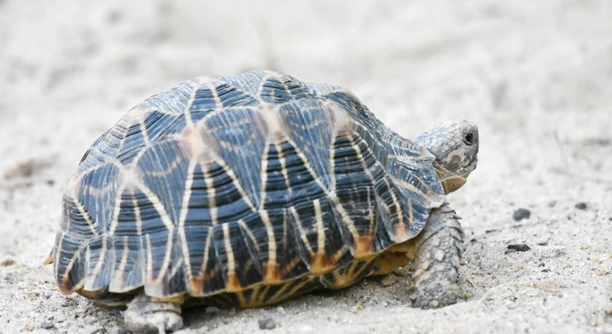
Turtles are curious creatures, and watching them try to climb walls can be both amusing and puzzling. If you’ve noticed your turtle exhibiting this behavior, you might be wondering what’s going on inside their little minds.
Turtles often attempt to climb walls due to their natural instincts and environmental factors. They may be trying to escape, seek a better vantage point, or respond to stress. Understanding these actions can help address their needs and behaviors.
The reasons behind this behavior can be linked to their habitat setup or emotional state. Learning more about what drives your turtle’s climbing will help you create a more comfortable and healthy environment for them.
Understanding Turtle Climbing Behavior
Turtles can display odd behaviors, like trying to climb the walls of their tanks. This can be frustrating for owners who may not understand why it happens. It’s important to first consider that climbing is natural for many species of turtles. In the wild, they might climb rocks, logs, or other surfaces to bask in the sun or find food. When in captivity, they may try to replicate these actions.
Your turtle could be climbing out of curiosity or simply due to an instinctive urge to find a higher spot. It’s also possible that your turtle feels confined or stressed in its environment. Climbing might be an attempt to escape or explore beyond the boundaries of its enclosure.
To prevent this behavior, you might need to rethink the setup of the tank. Ensure there is enough space, hiding places, and stimulation for your turtle. A proper tank setup can help reduce the desire to climb and lead to a more comfortable and content pet.
Habitat Setup and Climbing Triggers
If the habitat isn’t ideal, your turtle may feel restless and try to climb walls to escape.
The right habitat is crucial to maintaining your turtle’s well-being. Turtles need space to roam, bask, and swim freely. Make sure your tank provides both dry and wet areas for your turtle to move between. This helps to mimic their natural habitat. Too little space can cause anxiety, leading to behaviors like climbing.
A properly designed tank with smooth edges will also prevent your turtle from gaining enough traction to escape. Keep your tank clean and provide enrichment, such as hiding spots and objects to climb on, to prevent frustration. An enriched environment reduces stress, which can minimize climbing attempts.
Stress and Anxiety
Stress can cause turtles to act out, including climbing. When turtles feel stressed, they may try to escape or act in unusual ways. Stress factors can come from environmental changes, poor water quality, or lack of proper shelter.
Your turtle may also climb if it’s bored or feels trapped. A lack of hiding spots or stimulation can increase anxiety, making climbing seem like a way to get out. Stress may also be triggered by sudden changes, like moving to a new home or introducing a new pet.
It’s essential to provide your turtle with a stable environment. A tank with the right water temperature, filtration, and enough hiding places can help ease stress. By offering your turtle a sense of security, it may feel less inclined to try climbing the walls.
Temperature and Lighting
Turtles need proper lighting and temperature regulation to stay healthy. If the temperature is too low or the lighting isn’t right, your turtle may feel uncomfortable and start acting out.
Inadequate UVB lighting can lead to health problems, and your turtle may climb as a way to find better conditions. They may try to get closer to a light source or basking area if they feel they aren’t getting enough heat or sunlight.
To prevent climbing, make sure your tank has both a basking area with a heat lamp and a cooler zone for swimming. Providing the right lighting helps mimic natural sunlight, promoting good health and reducing climbing behavior. The proper temperature range ensures your turtle stays active and content.
Tank Size
A small tank can lead to frustration for your turtle. If the enclosure doesn’t offer enough space, your turtle may try climbing the walls out of restlessness or to escape. Larger tanks provide room for swimming, basking, and exploration, all of which help reduce this behavior.
Turtles need room to move, and a cramped tank limits their natural behaviors. A larger space allows them to feel more secure and reduces stress. As they explore, climbing attempts will decrease, and their well-being improves. Providing ample space makes a huge difference in your turtle’s overall happiness.
Tank Mates
Adding tank mates can also influence your turtle’s behavior. Sometimes, turtles may climb when they’re stressed by the presence of other animals.
Turtles are solitary creatures, and not every turtle gets along with others. If there’s constant conflict or bullying from other tank mates, it can cause your turtle to feel threatened and try to escape. Make sure each animal in the tank has enough space and territory. If aggression occurs, separating the turtles may be necessary.
FAQ
Why does my turtle climb the walls of its tank?
Turtles often climb the walls of their tank due to natural instincts or environmental factors. In the wild, turtles climb to find food, bask in the sun, or explore. In captivity, they may try to climb as a way to find more space or improve their environment. Stress, poor water quality, lack of space, and inadequate lighting can also lead to climbing behavior. Ensuring your turtle’s habitat meets its needs can help reduce the chances of this behavior.
Is climbing bad for my turtle?
Climbing can be a sign that your turtle is stressed or uncomfortable. If your turtle is repeatedly trying to climb the walls, it may indicate that something in the environment isn’t right. For example, the water temperature might be too cold, or there might not be enough basking areas. While occasional climbing isn’t harmful, continuous attempts can be a sign that your turtle needs an environment adjustment.
What can I do to stop my turtle from climbing the walls?
To stop your turtle from climbing, make sure its habitat is properly set up. Increase the tank size, add more hiding spots, and adjust the lighting and temperature. Also, make sure the tank has a proper filtration system, as poor water quality can cause stress. Regularly clean the tank and ensure your turtle has plenty of stimulation with toys or climbing structures that are safer than the tank walls.
Can I keep more than one turtle in the same tank?
You can keep more than one turtle in a tank, but it depends on the species and their individual temperaments. Some turtles get along well in groups, while others may become territorial and aggressive. If you notice your turtles fighting or one trying to climb more than usual, it could be a sign that they need more space or should be separated. Always provide enough room and separate basking areas to avoid conflict.
What size tank does my turtle need?
The size of the tank depends on the size of your turtle. As a general rule, you should have at least 10 gallons of water for every inch of your turtle’s shell length. For example, if your turtle’s shell is 6 inches long, you need at least a 60-gallon tank. A larger tank provides your turtle with more room to swim and explore, helping reduce the urge to climb.
Does my turtle need UVB lighting?
Yes, UVB lighting is essential for your turtle’s health. UVB light helps turtles synthesize vitamin D3, which is necessary for absorbing calcium. Without proper UVB lighting, your turtle could develop health issues, such as shell deformities or metabolic bone disease. Ensure the lighting is set up to mimic natural sunlight, providing both basking and cooler areas in the tank.
How can I tell if my turtle is stressed?
Signs of stress in turtles include constant swimming, climbing, hiding, and changes in eating habits. If your turtle starts acting unusually, it might be stressed due to poor water quality, inadequate temperature, or being kept in a tank that’s too small. A stressed turtle may also show signs of aggression or lethargy.
How often should I clean my turtle’s tank?
Cleaning your turtle’s tank should be done regularly to maintain water quality and overall health. Perform partial water changes every 1-2 weeks and clean the tank’s filter as needed. Completely clean the tank every 4-6 weeks, removing debris and scrubbing surfaces. Always make sure the water temperature and pH are in the correct range to keep your turtle comfortable.
Can my turtle escape from the tank?
Yes, turtles can escape from tanks, especially if they are trying to climb. Ensure that the tank is properly sealed with a secure lid or cover to prevent your turtle from escaping. If your turtle has a strong desire to climb, it’s important to address the underlying issues in its environment, such as tank size, temperature, or boredom.
Why is my turtle not eating?
A lack of appetite can be caused by stress, improper temperature, or illness. If your turtle is not eating, check if the water temperature is in the right range and if the lighting is adequate. Also, ensure that your turtle is being offered the right type of food. If the problem persists, a vet checkup may be necessary to rule out health issues.
How can I make my turtle’s tank more interesting?
To enrich your turtle’s environment, add objects for climbing, hiding spots, and even plants. You can also create a more natural setting with rocks and logs. Stimulation through varied textures and places to explore helps reduce boredom and can lower stress, which may prevent climbing. Keep the tank clean and monitor water quality regularly for the best results.
Final Thoughts
Understanding why your turtle climbs the walls of its tank can help you address any issues and improve its living conditions. Turtles are naturally curious creatures, and climbing can sometimes be a way for them to explore their environment or find better spots to bask. However, if climbing becomes a constant behavior, it’s often a sign that something in their habitat isn’t quite right. The most common causes are stress, insufficient space, poor water quality, or improper lighting. By addressing these factors, you can help reduce the need for your turtle to climb and make its tank a more comfortable and secure environment.
It’s important to keep in mind that turtles need a tank that mimics their natural habitat. This means providing a proper balance of water and dry areas for basking. The size of the tank is essential for your turtle’s well-being, as a cramped space can lead to frustration and stress. Additionally, proper lighting, including UVB light, and the right water temperature help your turtle stay healthy and active. These elements, combined with a clean tank and a comfortable environment, will help reduce climbing behavior. If your turtle continues to climb despite making changes to its habitat, it could be an indication of underlying health issues, which may require a visit to the vet.
Turtles also need mental and physical stimulation, so providing hiding spots and objects to climb on can keep them engaged and reduce boredom. With the right tank setup and care, your turtle will be more likely to feel comfortable and secure in its environment. Understanding your turtle’s needs and behaviors is key to ensuring a happy, healthy pet. By focusing on their habitat, health, and well-being, you can create the best possible home for your turtle and minimize behaviors like climbing the walls.

Hello,
If you enjoy the content that we create, please consider saying a "Thank You!" by leaving a tip.
Every little bit helps us continue crafting quality advice that supports the health, happiness, and well-being of pets around the world, for pets of all shapes, sizes, and species.
We really appreciate the kindness and support that you show us!