
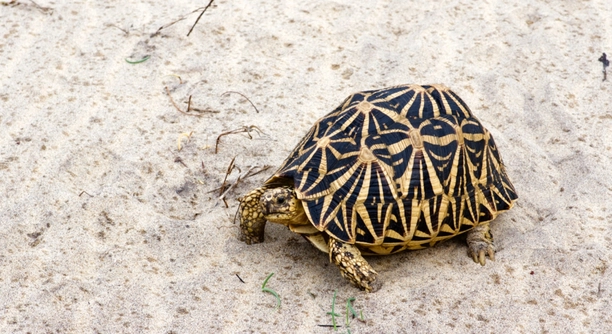
Turtles are fascinating creatures that often catch our attention with their unique behavior. One interesting question many people wonder about is whether they can recognize their own reflection. This question has intrigued scientists for years.
Turtles do not typically possess the cognitive ability to recognize their own reflection. While some animals, like certain primates, can pass the “mirror test,” most turtles lack this level of self-awareness. They may react to their reflection but not recognize it as themselves.
Understanding how turtles perceive their surroundings helps us better appreciate their behavior and unique ways of interacting with the world.
Why Do Turtles React to Their Reflection?
Turtles may appear to interact with their reflection, but this behavior is not necessarily a sign of self-awareness. Unlike some animals that can recognize themselves, turtles often view their reflection as another creature. This reaction is instinctual, not cognitive. When they see a reflection, turtles may think it’s a rival or a potential mate. This is why they can seem agitated or curious, but it doesn’t indicate an understanding that the reflection is actually them.
Their visual perception is also quite different from that of humans. Turtles rely more on scent and touch to interact with their environment. They use their eyes primarily for detecting movement and shapes. Therefore, even if they see a reflection, they’re more likely reacting to the unfamiliar sight rather than recognizing it as their own image.
While this behavior may seem like the turtle is confused or curious, it’s just a natural response to something they don’t encounter in their typical habitat.
How Turtles Perceive Their Environment
Turtles primarily use their sense of smell and touch to navigate their surroundings. Their visual capacity is not as developed as it is in some other species.
Turtles are drawn to movement and contrasting shapes, which helps them identify predators or food sources. Their eyes can detect light and dark, and they may be able to perceive colors, but they don’t interpret visual stimuli in the same way humans or some other animals do.
When it comes to their interaction with reflections, turtles don’t have the cognitive awareness to distinguish between themselves and other objects. They might investigate the reflection, thinking it’s something they need to interact with, but it’s based on instinct rather than self-awareness. Their lack of recognition doesn’t mean they’re unaware of their surroundings—it simply means their focus is different.
The ability to understand their reflection would require more complex brain processes that are not typical of reptiles like turtles.
Are Some Turtles More Curious About Their Reflection?
Not all turtles will react the same way to a reflection. Some may seem more curious, while others ignore it altogether. Turtles are individuals with different temperaments, and just like other animals, their personalities play a role in how they respond to unfamiliar stimuli.
Curiosity can vary depending on the species as well. For instance, some aquatic turtles are more interactive and may spend more time exploring their environment. In contrast, land turtles tend to be more solitary and may show less interest in something like a reflection. Their natural instincts for survival or finding food also influence their responses.
Factors such as age and prior experiences with unfamiliar objects may impact how a turtle reacts. Young turtles, for example, might be more likely to investigate their reflection due to their ongoing exploration of the world around them. As they grow older, they might become less reactive.
Do Turtles Experience Stress from Their Reflection?
Turtles can sometimes experience stress when they encounter something new, including their reflection. Stress may not always be obvious, but it can show in behaviors like erratic swimming, pacing, or hiding.
A turtle that perceives the reflection as a rival may exhibit defensive behaviors. They might attempt to retreat or hide in their shell as a response to the perceived threat. In some cases, these reactions can become prolonged, especially if the turtle repeatedly interacts with its reflection, causing ongoing stress.
Excessive stress, even if mild, can negatively impact a turtle’s health. It’s important to ensure that their environment is calm and free from unnecessary disturbances. If a turtle seems stressed by its reflection, offering hiding spots or reducing reflective surfaces in their habitat can help ease their discomfort.
Can Turtles Learn From Their Reflection?
Turtles do not seem to learn from their reflection over time. Unlike animals that can recognize themselves and adjust their behavior, turtles’ interactions with reflections remain consistent. They do not seem to remember or change their responses after seeing themselves in a mirror.
While they may appear curious initially, this behavior doesn’t lead to self-awareness. Turtles are primarily focused on immediate stimuli, like food or threats. This lack of self-recognition prevents them from understanding their reflection in the way some other animals do. They simply react based on instinct rather than learning from their encounters.
Can Turtles Tell the Difference Between Real and Reflected Objects?
Turtles can distinguish between real objects and reflections, though not always in the way humans do. They are sensitive to movement and will often react to reflections as if they were actual objects, especially if the reflection seems to mimic the movements around them.
However, they lack the cognitive ability to understand that the reflection is simply an image and not a tangible entity. This is why they may appear interested or cautious when encountering a reflective surface. For turtles, the reflection serves more as a puzzling phenomenon rather than something they actively process or understand.
How Can You Help a Turtle Adjust to Its Reflection?
If your turtle is stressed or seems confused by its reflection, try limiting its exposure to mirrors or reflective surfaces. Create a calmer environment where it feels more secure.
A proper hiding spot, like a small shelter or a shaded area, will help the turtle feel more at ease. Reducing the reflection by adjusting lighting or placing non-reflective objects in the habitat can also be beneficial. Over time, the turtle may become less stressed without continuous interaction with mirrors.
FAQ
Can turtles recognize themselves in a mirror?
Turtles do not recognize themselves in mirrors. Unlike some animals, such as certain primates and dolphins, turtles do not pass the “mirror test,” which is used to determine if an animal can recognize its own reflection. They usually react to their reflection as if it were another turtle, either by becoming curious or defensive, depending on their personality. This reaction is based on instinct rather than self-awareness.
Do turtles have a good sense of sight?
Turtles have a decent sense of sight, though it is not as sharp as that of some other animals. Their vision helps them detect movement and shapes, which is essential for spotting predators or finding food. While they can see in color, their vision is not as developed as that of some mammals or birds. Most turtles rely more on their sense of smell and touch than on their sight to navigate their environment.
Why do turtles react to their reflection?
When turtles see their reflection, they may react as though it’s another turtle. This could be because of instinctual behavior to defend their territory or even interact with what they perceive as another animal. In the wild, encounters with other turtles could involve competition or courtship, so a reflection might trigger those responses.
Can turtles become stressed by their reflection?
Yes, turtles can experience stress when they interact with their reflection. They may see it as a threat or rival, which can cause anxiety or confusion. Signs of stress in turtles can include erratic swimming, hiding, or trying to escape from the reflective surface. It’s important to monitor their behavior to ensure they are not overly stressed, as long-term stress can affect their health.
How do I know if my turtle is stressed by its reflection?
Signs of stress in turtles due to reflections include erratic swimming patterns, hiding in their shell, or appearing agitated when near reflective surfaces. If your turtle seems more active or anxious around mirrors or glass, it’s a sign that the reflection might be causing discomfort. Pay attention to your turtle’s behavior, especially when it’s near surfaces that reflect light or images.
Should I remove mirrors from my turtle’s environment?
If you notice that your turtle is stressed by its reflection, it’s a good idea to remove mirrors or reflective surfaces from its habitat. Turtles do not benefit from interacting with their reflection, and keeping mirrors in the enclosure could lead to unnecessary stress. By eliminating these surfaces, you help create a more peaceful environment where your turtle feels secure.
Can turtles learn from their reflections?
Turtles do not seem to learn from their reflections. Their behavior remains instinctual, reacting to the reflection as if it’s another turtle, without developing any long-term understanding of it. They don’t form memories or adjust their behavior based on these encounters, so the reaction is usually the same each time they see their reflection.
Is it safe for turtles to interact with mirrors?
It’s generally safe for turtles to interact with mirrors, but only if the interaction is limited. Prolonged exposure to their reflection may cause stress or anxiety, especially if the turtle sees the reflection as a threat. It’s important to observe how your turtle behaves around mirrors and remove them if you notice signs of distress.
How do turtles usually react to their reflection in the wild?
In the wild, turtles typically do not encounter reflective surfaces. Their natural environment doesn’t include mirrors or glass, so they don’t have the opportunity to react to reflections in the same way they might in captivity. Their behavior is more focused on their immediate surroundings, such as food sources, predators, and mates, rather than encountering an image of themselves.
Can turtle behavior be affected by exposure to mirrors?
Yes, prolonged exposure to mirrors can affect turtle behavior. If a turtle constantly interacts with its reflection, it may become stressed, confused, or agitated. This can lead to changes in behavior, such as hiding, pacing, or erratic swimming. It’s important to ensure that the turtle’s environment is comfortable and free of distractions that could affect its mental health.
How do I know if my turtle is comfortable in its environment?
A turtle that feels comfortable in its environment will exhibit calm behavior. It may bask in the sun, swim normally, and explore its habitat without signs of stress. If your turtle seems to be constantly hiding, swimming erratically, or avoiding certain areas of its enclosure, it may be an indication that something is causing discomfort, such as reflections.
Can the type of turtle affect its reaction to its reflection?
Yes, different types of turtles may react differently to their reflection. Aquatic turtles, for instance, may show more curiosity about their reflection due to their naturally inquisitive nature. In contrast, land turtles may ignore it or become more defensive. The species, personality, and environment all contribute to how a turtle responds to a mirror.
Are there any benefits to exposing turtles to mirrors?
There are no known benefits to exposing turtles to mirrors. While some animals may learn from or enjoy seeing their reflection, turtles do not exhibit this behavior. Instead, the exposure could cause unnecessary stress. It’s better to focus on providing a healthy and stress-free environment for your turtle, ensuring they have ample space, proper food, and secure hiding spots.
How can I reduce my turtle’s stress from mirrors?
If your turtle shows signs of stress from mirrors, the best way to reduce this is by removing reflective surfaces from its habitat. Make sure the turtle has plenty of hiding spots and areas where it can feel safe. You can also adjust the lighting to minimize reflections and help create a more relaxed environment.
Do turtles like seeing other turtles in a reflection?
Turtles do not seem to recognize their reflection as another turtle, even though they may react to it as if it were. They are likely confused by the behavior in the mirror, and may try to interact with it, either by approaching or backing away. While they may be curious, they don’t form social connections with reflections.
Final Thoughts
Turtles, like many other animals, have unique ways of interacting with their environment. When it comes to their reflection, these creatures do not recognize themselves in mirrors. Instead, they often treat their reflection as another turtle, which may lead to defensive or curious behavior. This is a natural response driven by instinct rather than self-awareness. While this might seem like a sign of intelligence, it’s important to understand that turtles’ behavior around their reflection doesn’t suggest recognition or understanding.
In most cases, turtles are not particularly affected by mirrors in a positive way. While they may be curious, their interaction with their reflection can cause stress. For some turtles, seeing another turtle in a mirror can lead to anxiety, frustration, or confusion. They may feel threatened, thinking that the other turtle is intruding on their space or competing for territory. It’s crucial to monitor how your turtle reacts to mirrors, as prolonged exposure can affect their well-being. If your turtle exhibits signs of stress, it’s best to remove any reflective surfaces from its environment to ensure that it remains comfortable.
Overall, understanding turtle behavior is key to ensuring that these animals thrive in captivity. While they don’t recognize their reflection as other animals might, it’s still important to create a stress-free environment for them. Mirrors and reflective surfaces can cause confusion and anxiety, so it’s essential to be aware of how your turtle responds. By providing a calm and secure habitat, free from distractions like mirrors, you help your turtle live a happier and healthier life.

Hello,
If you enjoy the content that we create, please consider saying a "Thank You!" by leaving a tip.
Every little bit helps us continue crafting quality advice that supports the health, happiness, and well-being of pets around the world, for pets of all shapes, sizes, and species.
We really appreciate the kindness and support that you show us!