
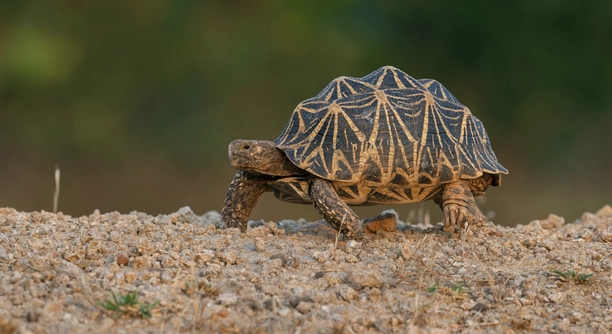
Turtles are fascinating creatures, often seen basking in the sun to regulate their body temperature. However, if you notice your turtle basking more than usual, it could be due to several factors affecting its behavior.
There are several reasons why your turtle may be basking more than usual, including temperature changes, inadequate lighting, or health issues. An increase in basking time can signal discomfort, environmental changes, or a need for more heat or UV light.
Understanding the cause of this behavior will help ensure your turtle stays healthy and comfortable in its habitat. Keep reading to learn more about why your turtle may be basking more than expected.
Temperature Imbalance
If your turtle is basking excessively, one possibility is that the water or air temperature is not quite right. Turtles require a specific temperature range to stay healthy. If the water is too cold, your turtle may seek more warmth by basking longer. Similarly, if the basking area is too cool, your turtle might stay under the light longer to compensate. It’s important to maintain both the water temperature (between 75–85°F) and the basking area temperature (around 85–95°F) to avoid stress. Regularly check your tank’s temperature to make sure it aligns with your turtle’s needs.
A change in temperature could be what is causing your turtle to bask more.
To maintain proper warmth, invest in a reliable water heater and basking light. If the temperature is stable but your turtle continues to bask, check for any drafts or irregularities in your setup. A well-maintained environment helps ensure your turtle stays healthy without excessive basking.
UV Light Deficiency
Another reason for increased basking could be insufficient UVB light. UVB rays are essential for turtles as they help in the production of Vitamin D3, which is necessary for calcium absorption. Without proper UVB exposure, turtles often try to make up for it by basking longer to absorb more light.
Providing the right UVB bulb and ensuring it is changed every six months can prevent this.
Ensure your turtle has a UVB light source within a reasonable distance (usually around 6–12 inches). If the light source is too far away or too weak, your turtle might not be getting enough UVB exposure, leading to abnormal basking. Keeping the light at the right intensity will support your turtle’s health.
Health Concerns
Increased basking time can be a sign that your turtle is feeling unwell. Illnesses such as respiratory infections or shell issues can make your turtle seek more time under the heat. This behavior may be a way of coping with discomfort.
If your turtle is basking longer than usual, pay attention to any other signs of illness. Look for symptoms such as lethargy, swollen eyes, or a change in eating habits. If you notice anything unusual, it’s best to consult a vet. Addressing health concerns early on can prevent further complications and improve your turtle’s overall well-being.
Illness can also cause changes in behavior. Turtles in pain may try to warm up to ease their discomfort. Make sure your turtle’s habitat is clean, free of stressors, and that the water quality is good. Keeping a healthy environment can also reduce the risk of illness.
Stress
Stress is another possible reason for increased basking. When turtles experience stress, they may try to find a way to cope. Stressors such as overcrowded tanks, loud environments, or changes in their habitat can lead to prolonged basking.
Make sure your turtle has a quiet, secure environment. A calm habitat without external disturbances can help reduce stress. If you’ve recently made changes to the tank setup, consider whether these could be causing discomfort.
Turtles thrive in environments where they feel safe. Providing hiding spots and reducing noise around the tank can help ease stress and normalize basking patterns. If the problem persists, you may need to reevaluate your setup for stressors that could be affecting your turtle’s behavior.
Age and Maturity
As turtles age, their basking behavior may change. Older turtles tend to bask more frequently, as they require more time to regulate their body temperature. This is normal as they grow and become less active.
If your turtle is maturing or entering adulthood, an increase in basking can be part of its natural life cycle. Keep an eye on the environment to ensure it still meets your turtle’s needs as it ages. You may need to adjust the basking area to accommodate these changes.
Seasonal Changes
Seasonal changes can also affect your turtle’s basking habits. During cooler months, turtles may need more basking time to stay warm. This behavior is typical as they try to adjust to changing temperatures.
If the weather shifts, check the temperature of both the water and basking area to ensure it remains comfortable. A small shift in environmental conditions can prompt your turtle to bask more to maintain optimal body temperature. Keep your setup stable for all seasons.
Breeding Behavior
Breeding seasons often trigger increased basking in turtles. Females, in particular, may bask more frequently as they prepare to lay eggs. This natural behavior can cause them to seek warmth and comfort as they get ready for the nesting process.
If you notice your turtle basking more during certain times of the year, this could indicate that they are preparing to breed. Providing extra space and a secure environment can help during this period. Be mindful of the additional needs that may arise when your turtle enters this phase of life.
FAQ
Why is my turtle basking all day?
Turtles bask to regulate their body temperature and soak up UVB rays for vitamin D3 production. If your turtle is basking all day, it could be a sign that the water temperature is too cold or there’s not enough UVB light. Make sure the basking area has the right temperature range, typically 85-95°F, and check the UVB light to ensure it’s within the correct distance.
Can turtles overheat from basking too much?
Yes, it’s possible for turtles to overheat if they spend too much time under a heat lamp. However, overheating is less common than underheating, as turtles usually move away from the heat when they’ve had enough. Keep an eye on your turtle’s behavior and adjust the basking area temperature accordingly to prevent overheating.
Is my turtle sick if it’s basking more than usual?
Increased basking can be a sign of illness, especially if your turtle seems lethargic, has trouble swimming, or is eating less. Respiratory infections, shell issues, and other health problems can lead to longer basking. If you suspect your turtle is sick, it’s best to consult a vet for an accurate diagnosis.
How can I reduce my turtle’s stress?
Turtles may bask more if they are stressed. Stressors include loud environments, overcrowded tanks, or changes in their habitat. To reduce stress, provide a quiet, secure environment with enough space. Make sure the water quality is good, and provide hiding spots for your turtle to retreat to when needed.
How do I know if my turtle is getting enough UVB light?
Turtles need UVB light for vitamin D3 production and calcium absorption. If your turtle is basking longer than usual, it may not be getting enough UVB light. Ensure the UVB bulb is the right strength and is positioned within the proper distance from the basking area (usually 6–12 inches). Replace the bulb every six months as the UVB output diminishes over time.
How often should I change the basking light?
UVB bulbs should be replaced every 6 to 12 months, depending on the type of bulb. Over time, UVB light intensity decreases, even if the bulb still appears to work. Regularly check your light’s effectiveness by using a UV meter or replacing it as needed to maintain proper lighting for your turtle.
Can my turtle bask too much if it has access to UVB light all day?
Turtles can’t bask too much as long as they have access to the proper temperature and UVB light. They naturally regulate their basking behavior based on their needs. However, if your turtle is basking excessively, it may indicate an issue with temperature or the lighting setup. Ensure everything is within the optimal range.
What should I do if my turtle keeps basking in the same spot?
If your turtle is consistently basking in the same spot, it could be due to the temperature gradient in the tank. Ensure that the basking area is comfortable and that the water temperature is appropriate. Consider moving the basking spot slightly or adjusting the lighting to create a better balance for your turtle.
How much basking time does my turtle need each day?
Turtles typically need 4-8 hours of basking each day, depending on the species. Young, growing turtles may need more basking time for proper shell and bone development. Always monitor your turtle’s behavior and adjust the lighting or tank temperature if they seem to be basking excessively or not enough.
Can my turtle bask without water?
Turtles often bask out of the water to dry off and regulate their body temperature. However, they shouldn’t be left out of the water for too long. Turtles need to stay hydrated and maintain proper skin and shell health. It’s best to provide a basking platform where they can easily return to the water as needed.
Should I adjust the water temperature if my turtle basks a lot?
Yes, if your turtle is basking more than usual, it’s a good idea to check the water temperature. If the water is too cold, your turtle might be seeking warmth by basking more often. Maintain a water temperature of 75-85°F to encourage a balanced behavior.
How do I make my turtle feel comfortable while basking?
To make your turtle feel comfortable, ensure the basking area is clean and has proper heat and UVB lighting. Provide a flat, dry surface for basking and consider adding plants or hiding spots nearby for extra security. Make sure the water temperature is ideal for swimming when your turtle wants to cool down.
Is my turtle in danger if it basks too much?
Turtles generally know when to stop basking, so it’s not usually dangerous for them to bask as long as the conditions are right. However, excessive basking can indicate an underlying issue, such as poor water temperature or UVB lighting. If you suspect something’s wrong, check the environment or consult a vet.
Can I use a heat lamp and UVB light at the same time?
Yes, using a heat lamp and UVB light together is ideal for your turtle’s basking area. The heat lamp provides the necessary warmth, while the UVB light helps with calcium absorption and vitamin D3 production. Make sure both lights are positioned properly to avoid overheating or insufficient UVB exposure.
Why is my turtle staying in the water more than usual?
If your turtle is staying in the water more often, it could indicate that the basking area is too hot, uncomfortable, or lacking proper UVB light. Ensure the basking area is warm enough but not too hot, and check that the UVB light is effective in promoting natural basking behavior.
How can I tell if my turtle is comfortable while basking?
A comfortable turtle will bask for a few hours and then return to the water when it’s ready to cool off. Look for signs such as relaxed posture and normal activity. If your turtle is restless, constantly shifting, or showing signs of discomfort, it might not be comfortable, and adjustments should be made to the environment.
Final Thoughts
Turtles are naturally inclined to bask as part of their daily routine, but changes in their basking habits can sometimes indicate underlying issues. It’s important to observe your turtle’s behavior to ensure they’re basking for the right reasons. If your turtle starts basking more than usual, it could be due to a variety of factors, such as changes in water temperature, lighting, or even health problems. Regular monitoring of the tank conditions can help ensure that your turtle is getting the right environment to thrive in.
If your turtle is basking excessively, one of the first things to check is the temperature of both the water and the basking area. Too cold water might drive your turtle to bask more in search of warmth, while an improperly set-up basking area could lead to discomfort. Additionally, proper UVB lighting is essential for your turtle’s health, allowing them to synthesize vitamin D3 and absorb calcium. Without this, your turtle might spend more time basking, trying to fulfill this need.
Ultimately, understanding your turtle’s basking habits is key to ensuring they are healthy and comfortable. While basking is a natural behavior, excessive basking or changes in their pattern can be a sign that something isn’t right. By keeping track of your turtle’s environment and behavior, you can make adjustments that will support their well-being. If you notice any signs of illness or stress, consulting a vet is always a good step to ensure your turtle’s health is properly managed.

Hello,
If you enjoy the content that we create, please consider saying a "Thank You!" by leaving a tip.
Every little bit helps us continue crafting quality advice that supports the health, happiness, and well-being of pets around the world, for pets of all shapes, sizes, and species.
We really appreciate the kindness and support that you show us!