
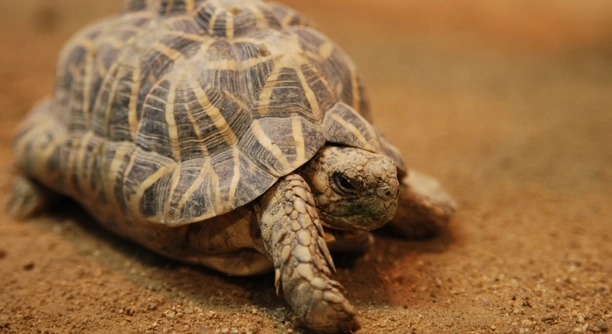
Turtles are unique pets with their own needs and quirks. One of the most common concerns among turtle owners is the condition of their pet’s shell. A rough shell can be a sign of various health issues, but it’s something you can manage.
A rough turtle shell is often caused by factors like poor diet, dehydration, or lack of proper habitat care. Additionally, it can be the result of natural wear, old age, or environmental stressors that need attention.
Understanding the causes behind your turtle’s rough shell will help you make better choices to improve its health. The following tips can help you take the right steps to smooth it out and promote overall well-being.
Common Causes of a Rough Turtle Shell
A rough turtle shell can often be linked to a variety of factors that are easy to overlook. One of the primary reasons is poor diet. If a turtle isn’t getting the proper nutrients, its shell can become dry and rough. A lack of calcium, in particular, can have a significant impact on shell health. Calcium is essential for maintaining strong bones and a smooth shell. Additionally, dehydration plays a big role in shell condition. When a turtle isn’t drinking enough water, it can lead to an unhealthy, rough shell.
To prevent these issues, it’s important to ensure that your turtle’s habitat is well-maintained. Proper lighting and temperature are also key for a turtle’s shell and overall health. Keeping their environment clean and stress-free will help in reducing any external stressors that could be contributing to shell damage.
Shell condition can also be influenced by age. As turtles get older, their shells naturally go through changes. While older turtles might develop rougher shells, it’s important to monitor for other signs of health issues.
Diet and Nutrition
A balanced diet is essential for your turtle’s health, particularly when it comes to the shell. A lack of calcium can lead to a brittle and rough shell, while other essential vitamins and minerals are necessary to promote healthy growth.
It’s important to provide your turtle with a diet that includes both plant-based and animal-based foods. A varied diet will help ensure that it gets the necessary nutrients. Calcium-rich foods, such as dark leafy greens, should be included regularly. You can also add a calcium supplement to its food or offer cuttlebone to help with shell health.
For turtles that are primarily carnivorous, they will need protein-rich foods, but it’s crucial to balance this with the right amount of greens. You can also consult a vet for advice on specific nutritional needs. Proper hydration also supports digestion and shell health, so make sure clean water is always available. Regular, nutritious meals will help prevent a rough shell and promote overall wellness.
Dehydration and Shell Condition
Dehydration is one of the biggest contributors to a rough turtle shell. When a turtle doesn’t get enough water, its body struggles to stay healthy, leading to a dry, flaky shell.
To keep your turtle hydrated, always ensure fresh, clean water is available. Turtles need access to water both for drinking and swimming. You can also mist your turtle with water regularly, especially if it lives in a dry environment. If your turtle isn’t drinking much, adding a shallow water bowl they can easily access can help.
Sometimes, the water in the tank should be changed more often, especially if it becomes dirty quickly. A filtration system can help maintain water quality. It’s also worth noting that some turtles, like aquatic species, require specific humidity levels in their habitat. Make sure the humidity is just right to avoid dehydration and keep the shell in good shape.
Environmental Factors and Shell Health
A turtle’s environment plays a key role in its shell health. Poor lighting and temperature fluctuations can make the shell rough and unhealthy.
UVB lighting is crucial for a turtle’s overall well-being. It helps them absorb calcium from their food, preventing shell problems. If the light is inadequate, it can result in metabolic bone disease and roughness in the shell. Turtles also need an area in their tank that is warm enough for basking. Without proper basking, they can suffer from dehydration and poor shell growth.
The temperature should be regulated based on the species of turtle you have. Some species prefer warmer environments, while others need cooler temperatures. Make sure to keep the tank at the right temperature and humidity levels to support your turtle’s health.
Shell Damage from Scratching
Turtles are known for scratching or rubbing their shells on rough surfaces. Over time, this can lead to shell damage and rough patches.
While some scratching is normal, excessive rubbing on hard surfaces can cause the shell to become scarred and rough. It’s important to keep their environment safe by providing smooth surfaces for them to explore.
If your turtle is consistently rubbing its shell, it could also be a sign of stress or irritation. Ensure their habitat is clean and free of sharp objects. This can help avoid unnecessary damage to their shell.
Excessive Shell Growth
A turtle’s shell naturally grows throughout its life. However, if growth isn’t balanced, it can lead to roughness or an uneven appearance.
Sometimes, shell growth can be influenced by factors like diet or lighting. Without proper calcium intake and UVB exposure, a turtle’s shell may not grow properly, leading to rough patches. Regularly inspect your turtle’s shell to make sure its growth is healthy. If you notice any abnormal growth, consult a vet for advice on correcting it.
Lack of Proper Basking
Turtles need a proper basking area to maintain their shell’s health. Without it, their shells may become rough and unhealthy.
A basking area is necessary for your turtle to dry off and absorb UVB rays. Without the proper setup, your turtle could develop unhealthy shells and experience other health problems. Make sure their basking spot is warm, dry, and equipped with UVB light to support overall shell health.
FAQ
Why is my turtle’s shell so rough?
A rough shell can be due to several factors. It could be caused by a poor diet lacking in calcium, dehydration, or inadequate basking conditions. Age also plays a role, as older turtles naturally experience some roughness. Environmental stressors, like improper lighting or temperature, can make the shell condition worse. It’s important to monitor your turtle’s diet, water quality, and habitat to prevent these issues.
How can I smooth out my turtle’s rough shell?
To smooth out your turtle’s shell, ensure that it has a balanced diet rich in calcium and other essential nutrients. Hydration is key, so make sure it has access to clean water at all times. Regularly check the tank’s temperature and lighting to ensure it’s at optimal levels for basking and shell health. You can also use a damp cloth to gently wipe your turtle’s shell, but avoid scrubbing, as this may harm it.
Can a rough shell be a sign of a serious problem?
Yes, a rough shell can sometimes indicate a more serious issue. It may be a sign of metabolic bone disease (MBD), which can occur from a lack of calcium, vitamin D3, or improper UVB lighting. If your turtle’s shell shows signs of softening, cracking, or significant rough patches, it’s important to consult with a vet. MBD can weaken the bones and lead to irreversible damage if not addressed in time.
How do I know if my turtle’s shell is too rough?
If your turtle’s shell feels uneven, dry, or flaky to the touch, it might be too rough. You should also look for signs like cracks, bulges, or discoloration, which indicate that the shell is unhealthy. A healthy shell should be smooth and firm, so any changes in texture or appearance should be addressed promptly. If you notice these symptoms, consult a vet to rule out any underlying issues.
How often should I change my turtle’s water?
It’s essential to keep your turtle’s environment clean, including the water. Ideally, you should change the water at least once a week, but this depends on the size of the tank and the number of turtles. In smaller tanks, water should be changed more frequently to prevent the buildup of bacteria. If your turtle spends most of its time in the water, it’s crucial to keep the water fresh and well-filtered. A good filtration system will help reduce the frequency of water changes.
What type of lighting does my turtle need for a healthy shell?
Turtles require UVB lighting to help them metabolize calcium and maintain a healthy shell. The UVB light should be on for about 10-12 hours a day, simulating the natural daylight cycle. UVB light helps your turtle absorb calcium from its food and aids in shell development. Without it, your turtle could develop soft or rough patches on its shell. Ensure the light is positioned close enough to the basking area but not too close to avoid overheating.
What should I do if my turtle is constantly scratching its shell?
Constant scratching or rubbing can be a sign of irritation, stress, or a rough surface in their habitat. First, check for any sharp objects or rough surfaces that might be causing harm to your turtle’s shell. You can also monitor your turtle’s behavior—if the scratching is excessive, it could be due to an environmental issue like poor water quality or improper tank setup. Regular shell inspection and addressing any habitat issues can help reduce the scratching. If the behavior continues, it’s worth consulting with a vet.
Can I use oils or lotions to make my turtle’s shell smoother?
It’s not recommended to apply oils or lotions to your turtle’s shell. These products can interfere with the shell’s natural processes and might even cause harm. Instead, focus on improving your turtle’s diet, hydration, and environmental conditions. Regular bathing and providing a clean, well-lit habitat are the best ways to help your turtle maintain a healthy shell.
Why is my turtle’s shell getting softer?
If your turtle’s shell is soft, it’s usually a sign of metabolic bone disease (MBD) or insufficient calcium intake. MBD occurs when a turtle doesn’t receive enough calcium or UVB light, both of which are essential for healthy shell growth. A soft shell is a serious concern, and if you notice this symptom, it’s important to consult with a vet. You may need to adjust the lighting, diet, and supplementation to help your turtle recover.
How can I prevent my turtle from developing a rough shell?
To prevent a rough shell, make sure your turtle gets a balanced diet rich in calcium and other essential nutrients. Regularly provide UVB lighting to support calcium absorption and shell health. Ensure the tank is the right temperature for basking, and offer a clean water source for hydration. Regular vet check-ups will also help keep your turtle’s shell in good condition and address any potential problems early on.
Should I be concerned if my turtle’s shell changes color?
A change in color could be a sign of a health issue or environmental stress. If the shell turns dark, it could indicate poor water quality, while a lighter color might signal dehydration or improper nutrition. Yellow or white patches can suggest fungal or bacterial infections. Regularly monitor your turtle’s shell and consult a vet if you notice any significant changes in color or texture.
What can I do if my turtle’s shell has a crack?
If your turtle’s shell has a crack, it’s important to seek veterinary care immediately. A cracked shell can become infected, leading to further complications. Depending on the severity of the crack, the vet may clean and seal the wound, or they may recommend more specialized treatment. Avoid trying to treat the crack at home, as improper care can make the injury worse.
Can a rough shell affect my turtle’s health in the long run?
Yes, if left untreated, a rough shell can lead to long-term health issues. Roughness can be a sign of an underlying problem like dehydration, poor diet, or inadequate lighting, which, over time, can weaken the shell and cause other health complications. It’s essential to address the cause of the roughness to ensure your turtle’s long-term health and well-being.
How can I ensure my turtle has a healthy shell as it ages?
As your turtle ages, it’s important to continue providing the right environment, diet, and care. Older turtles may experience some natural roughness or wear, but a healthy diet high in calcium, along with proper UVB lighting and hydration, can slow this process. Regular vet visits will help monitor changes in shell health and prevent further issues.
Taking care of a turtle’s shell is an essential part of maintaining its overall health. A rough shell can be caused by several factors, such as poor diet, dehydration, improper lighting, or environmental stress. By addressing these issues early on, you can help keep your turtle’s shell healthy and smooth. Regularly check your turtle’s diet, water, and living conditions to make sure they are getting the nutrients and care they need. Paying attention to these details will make a big difference in preventing further damage to their shell and avoiding long-term health problems.
While some roughness may occur naturally due to age or environmental changes, it’s important to be proactive. Regular hydration, proper calcium intake, and access to a clean, well-lit environment are some of the best ways to prevent a rough shell from developing. Additionally, routine checkups with a vet can help detect potential issues before they become serious. If you notice any major changes in your turtle’s shell, such as cracks, discoloration, or softening, it’s a good idea to consult a vet right away to address the problem early.
In the end, a little extra care and attention to your turtle’s needs can go a long way in preventing shell issues. By ensuring that your turtle gets the right nutrients, stays hydrated, and has a comfortable living space, you can help promote a healthy, smooth shell. Remember that every turtle is different, and what works for one may not work for another, so it’s important to observe your pet closely. Providing a balanced environment and diet will ensure that your turtle remains healthy and happy for years to come.

Hello,
If you enjoy the content that we create, please consider saying a "Thank You!" by leaving a tip.
Every little bit helps us continue crafting quality advice that supports the health, happiness, and well-being of pets around the world, for pets of all shapes, sizes, and species.
We really appreciate the kindness and support that you show us!