
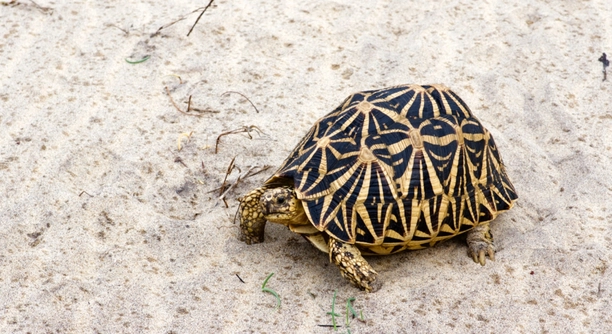
Turtles are fascinating creatures, and understanding their diet is key to keeping them healthy. There’s a lot of information out there about what they can and can’t eat. Let’s clear up some confusion.
Turtles can eat insects, but not all insects are safe for them. Some insects are rich in protein and nutrients that support a turtle’s health, while others might pose risks if consumed in large quantities.
Choosing the right insects for your turtle’s diet is important. There are several safe and nutritious options to consider, ensuring your turtle thrives while avoiding any harm.
Can Turtles Eat Insects?
Turtles are opportunistic feeders, which means they’ll eat whatever they can find in their environment, including insects. This can be a great source of protein for them, especially for species like box turtles or aquatic turtles. However, not all insects are safe for turtles, so it’s important to be cautious. You should avoid feeding them insects that could harm them, such as those sprayed with pesticides or those that are too large to eat properly. When offering insects, make sure they are clean, fresh, and appropriately sized for your turtle’s age and species.
Insects like crickets, mealworms, and earthworms are often safe and healthy choices. They are easy to find, and turtles generally enjoy them. But remember, insects should only be one part of your turtle’s balanced diet, not the main component. It’s best to offer a variety of foods for their overall health.
For aquatic turtles, insects can be a great addition to their diet, but you should also provide other foods like leafy greens and pellets. Offering a balanced diet helps prevent nutritional deficiencies and supports their long-term well-being.
Safe Insects to Feed Your Turtle
Some insects are better suited for turtles than others. Here are some of the safest options you can offer your pet:
- Crickets
- Mealworms
- Earthworms
- Waxworms
- Grasshoppers
- Silkworms
- Dubia roaches
These insects are typically safe for turtles, providing protein and essential nutrients. However, always be sure to research each insect before feeding it to your turtle.
Risks of Feeding Turtles Certain Insects
Not all insects are safe for turtles, and some can even pose health risks. Insects like fireflies, certain beetles, and spiders should be avoided. These insects contain toxins or hard exoskeletons that are difficult for turtles to digest. It’s important to know what insects are suitable for your turtle’s specific species.
Feeding toxic insects can cause health problems, such as digestive issues or poisoning. For example, fireflies contain lucibufagins, which are toxic to many animals, including turtles. Turtles can also struggle with insects that have tough, hard exoskeletons, which could cause choking or even digestive blockages. Always research the insect before offering it to your turtle.
A simple rule is to stick with insects commonly sold as pet food. These are generally safe and have been tested for suitability. Be sure to always remove any uneaten insects from the tank after feeding to avoid any issues like spoilage or contamination.
How to Feed Insects to Your Turtle
When feeding insects, the right size matters. Insects should be appropriately sized for your turtle’s age and species. A juvenile turtle may struggle with larger insects, while an adult can usually handle a wider variety of food.
To safely feed your turtle insects, place them in their enclosure, ensuring they can easily hunt and capture them. You should also provide a varied diet alongside insects. Offering leafy greens, fruits, and turtle pellets ensures they get a full range of nutrients. Be sure to dust the insects with calcium powder to support shell growth and overall health.
Don’t feed insects that are too large or hard to catch, as this can cause frustration or even injury. Keep their environment clean by removing any leftover insects or food.
How Often Should You Feed Insects to Your Turtle?
Turtles don’t need insects every day. Depending on the species and age, offering insects two to three times a week is usually enough. Juvenile turtles, which need more protein for growth, may benefit from more frequent insect feedings. Adult turtles, on the other hand, can go longer between insect meals.
Overfeeding insects can cause an imbalance in their diet, as it might crowd out other essential nutrients from plants or pellets. Providing a balanced variety of foods ensures they stay healthy and well-nourished. Moderation is key, so aim for a mix of protein, fiber, and vitamins.
Alternatives to Insects
In addition to insects, there are other excellent protein sources you can offer your turtle. Fish, shrimp, and cooked chicken are good alternatives that provide essential nutrients without overloading their diet with too much fat.
These options can also add variety to their meals. Fish like tilapia or salmon are excellent protein sources for aquatic turtles. However, make sure to remove any bones before feeding. Offering a mix of insects, protein-rich fish, and leafy greens will help support your turtle’s health.
Importance of a Balanced Diet
A turtle’s diet should consist of more than just insects. Leafy greens like kale, collard greens, and dandelion greens should be a significant part of their diet, as they provide important vitamins and fiber. Adding fruits such as strawberries, apples, or blueberries in moderation can also boost their health.
In addition to plant-based foods, pellets formulated for turtles provide a reliable source of vitamins and minerals. Providing a balanced mix of plant matter, animal protein, and supplements ensures your turtle stays healthy and doesn’t miss out on necessary nutrients.
FAQ
Can turtles eat mealworms?
Yes, turtles can eat mealworms, but they should be offered in moderation. Mealworms are high in fat and low in nutritional value compared to other insects, so they should not be the primary food source. They are best as an occasional treat, especially for adult turtles. Too many mealworms could lead to an imbalance in their diet, causing health problems like obesity or digestive issues.
Are crickets safe for turtles?
Crickets are a safe and popular insect to feed turtles. They are an excellent source of protein and nutrients, especially for younger turtles that need extra protein to grow. Crickets are easy to find and can be purchased live or frozen. However, ensure that the crickets are free of pesticides and chemicals before feeding them to your turtle. Always provide a variety of other foods alongside crickets for a balanced diet.
Can turtles eat live insects?
Turtles can safely eat live insects, and many prefer to hunt and catch them on their own. This helps stimulate their natural instincts and provides exercise. Live insects such as crickets, worms, and beetles can be offered in a controlled environment to avoid overwhelming your turtle. However, be careful with the size of the insects to avoid any choking hazards, especially for young turtles.
What insects are toxic to turtles?
Some insects can be harmful or toxic to turtles, and it’s important to avoid feeding them. Fireflies are one of the most dangerous insects for turtles, as they contain toxins that can cause serious health issues. Other insects like ladybugs, certain species of beetles, and spiders can also be harmful. Always ensure you’re feeding your turtle safe and edible insects, and avoid anything that’s unfamiliar or potentially poisonous.
How often should I feed my turtle insects?
Insects should be offered to your turtle two to three times a week. This depends on your turtle’s species and age. Younger turtles require more protein for growth, so they may need insects more frequently, while adult turtles can eat insects less often. The key is to provide a variety of foods, including vegetables and plant matter, to ensure a balanced diet.
Can I feed my turtle only insects?
No, feeding your turtle only insects is not recommended. While insects provide good protein, they lack important nutrients like fiber and vitamins that turtles need for proper digestion and overall health. Turtles should have a diverse diet that includes leafy greens, vegetables, and special turtle pellets to ensure they receive all the necessary nutrients for a long, healthy life.
Can turtles eat worms?
Yes, turtles can eat worms, such as earthworms and red worms. Worms are a great source of protein and are especially beneficial for younger turtles that need extra protein for growth. Be sure to feed them live, clean worms, and avoid those from outside that may carry parasites or pesticides.
What is the best way to offer insects to my turtle?
To feed your turtle insects, place them in their enclosure where your turtle can hunt them. You can either hand-feed the insects or scatter them throughout the enclosure. Ensure the insects are the right size for your turtle, as larger insects may be difficult for smaller turtles to handle. It’s also a good idea to dust the insects with calcium powder to support healthy shell development.
Can turtles eat beetles?
Yes, turtles can eat beetles, but you must be cautious about the type. Some beetles may be too large or tough for your turtle to eat properly. Stick with smaller beetles, like meal beetles or soft-bodied beetles, and ensure they are free from pesticides. Avoid feeding them beetles that are hard to digest, like the hard-shelled variety, to prevent choking or digestive problems.
Should I feed my turtle insects from outside?
Feeding your turtle insects from outside is risky. Insects from your yard may have been exposed to pesticides, chemicals, or other toxins that could harm your turtle. If you want to offer insects from outside, make sure they are thoroughly washed, and you are certain they haven’t come in contact with any harmful substances. It’s generally safer to buy insects from pet stores, as they are bred for reptile consumption and are pesticide-free.
Can turtles eat fruit-flavored insects?
It’s not ideal to feed your turtle fruit-flavored insects. These types of insects are often coated with sugary or artificial flavorings that can be harmful to your turtle. Stick to natural, unflavored insects for a healthier option. Adding fruits and vegetables to your turtle’s diet separately will give them the nutrients they need without unnecessary additives.
Can I feed my turtle dead insects?
Dead insects can be fed to your turtle, but they should be fresh and free from any decay. Insects that have been dead for too long may harbor bacteria or spoil, which could make your turtle sick. Ideally, offering live insects allows your turtle to engage in natural hunting behavior. If you do feed dead insects, ensure they are safe and clean before serving.
Are worms or insects better for turtles?
Both worms and insects are great protein sources for turtles, but worms tend to be more nutritious. Worms, such as earthworms or red wigglers, are rich in protein and easy to digest, making them ideal for young turtles. Insects like crickets or mealworms can also be beneficial, but they are less nutrient-dense compared to worms. Ideally, offer a variety of both to keep your turtle’s diet balanced.
Can turtles eat ants?
Ants are generally safe for turtles to eat, but they should be offered in moderation. Ants are small and easy to catch, but they do not provide much nutrition. Some ants might also have a bitter taste that turtles may not prefer. If your turtle shows interest in ants, ensure that they are free of pesticides or chemicals.
Final Thoughts
Feeding insects to your turtle can be a great way to provide extra protein and variety in their diet. However, it’s important to know which insects are safe and beneficial for your turtle’s health. While some insects, like crickets, mealworms, and earthworms, are good options, others can be harmful. For example, fireflies and certain beetles can be toxic, so it’s essential to avoid them. You should always ensure that the insects are free of pesticides or harmful chemicals before feeding them to your turtle. Offering a variety of insects alongside other foods like leafy greens, fruits, and turtle pellets is the key to a balanced diet.
The amount of insects you feed your turtle depends on their age and species. Younger turtles tend to need more protein for growth, so they might require insects more often. Older turtles, on the other hand, don’t need as much protein and can have insects less frequently. It’s crucial not to overfeed insects, as they can disrupt the balance of your turtle’s diet. A diet that is too high in protein can lead to health issues such as obesity or kidney problems. Moderation is important when offering insects, just as with any other food. Along with insects, it’s vital to include a range of other foods to ensure your turtle is getting all the nutrients it needs.
Overall, feeding insects to turtles can be an enjoyable and healthy part of their diet if done right. It’s important to make informed choices about which insects to feed, how often to offer them, and how to balance them with other nutritious foods. By carefully selecting safe insects and maintaining a balanced diet, you can help your turtle live a long and healthy life. Always remember that every turtle is different, so pay attention to how your turtle reacts to different foods and adjust their diet as needed. A varied, nutritious diet is the foundation for keeping your turtle happy and healthy for many years.

Hello,
If you enjoy the content that we create, please consider saying a "Thank You!" by leaving a tip.
Every little bit helps us continue crafting quality advice that supports the health, happiness, and well-being of pets around the world, for pets of all shapes, sizes, and species.
We really appreciate the kindness and support that you show us!