
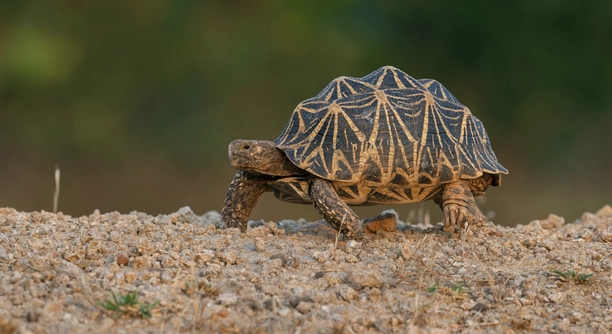
Turtle tank owners often notice foam forming in the water, which can be puzzling. This common issue is usually linked to specific factors in the tank’s environment. Understanding why it happens will help you maintain a clean and healthy habitat for your pet.
Foamy water in a turtle tank typically results from excess waste, uneaten food, or an imbalance in the filtration system. This can cause bacterial growth, leading to foam formation. Proper tank maintenance and regular water changes can help resolve this issue.
There are several ways to reduce foam in your turtle tank. From improving filtration to adjusting feeding habits, these solutions will make a big difference in maintaining water quality and keeping your turtle’s environment clean.
Common Causes of Foam in Turtle Tanks
Foam in your turtle’s tank often appears due to an excess of organic matter like uneaten food, turtle waste, or decaying plants. This creates a perfect environment for bacteria to thrive, which can lead to the formation of foam on the water’s surface. Poor filtration can also exacerbate the problem, as it fails to properly remove these particles from the water. The foam can be particularly noticeable if the tank’s filtration system is too weak for the size of the tank or the number of turtles. Keeping up with regular cleaning and water changes is essential to reduce foam.
Filtration plays a big role in controlling foam. Without a strong filtration system, debris and bacteria accumulate faster, leading to foam formation.
In addition, overfeeding is a major factor. If turtles are given more food than they can consume, leftover pieces break down and contaminate the water. This decaying matter contributes to foam. You should also avoid overstocking your tank, as more turtles lead to more waste, which increases the likelihood of foam. Maintaining a consistent cleaning schedule will help keep things under control.
Solutions to Reduce Foam in Your Turtle Tank
One of the first things to check is your filtration system.
If your filter is weak or dirty, replace or clean it. Stronger filters or those designed for larger tanks can help prevent foam by removing debris before it causes problems. Make sure to choose a filter that suits the size and number of turtles in your tank. Regular filter maintenance is key, so clean the filter monthly or according to the manufacturer’s instructions to keep it running efficiently. A well-maintained filter will help maintain clean water and keep foam under control.
Overfeeding Your Turtle
Overfeeding is one of the main reasons for foam buildup in your turtle tank. Leftover food decomposes in the water, creating a breeding ground for bacteria that causes foam to form. Be mindful of portion sizes and remove any uneaten food within an hour of feeding.
If you’re feeding your turtle more than necessary, it’s easy for food to sit in the water and start to decay. You might think your turtle is hungry, but most turtles only need a small amount of food once a day or every other day, depending on their size. You can use feeding rings to prevent excess food from floating around, or simply remove leftovers to keep the tank clean.
It’s important to monitor how much food you’re providing and to adjust based on your turtle’s appetite and size. A proper feeding schedule not only keeps foam at bay but also ensures that your turtle isn’t consuming too much, which can affect its health. The key is to find the balance where your turtle is fed enough but not excessively.
Water Changes and Maintenance
Regular water changes are essential in keeping foam levels under control. If the water isn’t changed frequently enough, organic material such as waste and uneaten food builds up, causing foam to form.
Change about 25% of the water every two weeks or more often if needed. Regular water changes help eliminate organic matter that can contribute to foam buildup. Use a siphon or aquarium vacuum to remove debris from the substrate during water changes. The cleaner the water, the less chance there is for foam to appear. Be sure to test the water regularly for ammonia, nitrites, and nitrates, as these factors can also affect foam formation.
Proper water maintenance helps not only with foam but also with maintaining a healthy environment for your turtle. Clean water reduces stress and prevents disease, keeping your turtle happy and thriving. If you keep the water clean and well-maintained, foam should be less of a problem.
Poor Filtration
A weak or inappropriate filter can cause foam to form in your turtle tank. If the filter isn’t strong enough to handle the waste produced, it allows particles to accumulate, leading to foam buildup.
Choosing the right filter for your tank size and turtle population is crucial. You may need a filter designed for larger tanks or a more powerful model if you have multiple turtles. Regular cleaning of the filter is important as well, as dirt and debris can clog it, reducing its efficiency and allowing foam to appear.
Tank Overstocking
Overstocking the tank with too many turtles or other aquatic animals can lead to more waste than the filtration system can handle. This creates more organic material in the water, leading to foam.
Each turtle needs space to thrive. Crowding the tank causes an overload of waste, which can overwhelm the filtration system and contribute to foam. Always ensure that there’s enough space for each turtle to swim freely and that the tank can properly filter all the waste produced.
FAQ
Why is my turtle tank water foamy even after I’ve cleaned it?
The foam could be caused by lingering organic material that wasn’t fully removed during cleaning. Waste, uneaten food, or even old plants can break down and create foam. If the tank isn’t cleaned thoroughly, some debris may remain, and it continues to decompose. Also, check the filtration system; if it’s not strong enough, it may fail to clear out all the particles, causing foam to reappear. Try cleaning the tank more often and making sure you’re removing all waste and debris from the substrate.
How often should I change the water in my turtle tank?
It’s generally recommended to change 25% of the water every two weeks. However, if your tank has a high turtle population or isn’t filtered well, you may need to change the water more frequently. Regular water changes prevent the buildup of harmful chemicals like ammonia, nitrites, and nitrates, which can lead to foam. Additionally, removing any visible waste during these changes will help maintain water quality and reduce foam.
Can overfeeding cause foam in my turtle tank?
Yes, overfeeding is a common cause of foam in turtle tanks. Leftover food breaks down in the water, creating organic material that leads to bacterial growth and foam formation. Make sure to feed your turtle the right amount, typically once a day or every other day depending on their size. Remove any uneaten food within an hour of feeding to prevent it from decaying in the water. Consider using feeding rings to keep food in one area and reduce the chances of waste.
Should I be concerned about foam in my turtle tank?
A small amount of foam isn’t usually a major concern, but it can indicate poor water quality or a filtration problem. If the foam is persistent and excessive, it’s a sign that something is off in your tank’s environment. Regular maintenance, water changes, and proper filtration should help reduce foam. However, if you notice foam along with cloudy water or unusual turtle behavior, you should investigate further as it might signal an issue with water chemistry or the health of your turtles.
Does foam in the tank affect my turtle’s health?
Foam in itself is not directly harmful to your turtle, but it can be a sign of poor water quality, which can affect your turtle’s health. If foam is caused by excess waste or decaying food, it may lead to high levels of ammonia or bacteria in the water, which can cause infections or stress to your turtle. Keeping the tank clean and maintaining proper filtration can reduce these risks.
How can I fix foam in my turtle tank without using chemicals?
Avoid using chemicals to fix foam as they can harm your turtle. Instead, focus on improving your tank’s filtration and water quality. Ensure the filter is strong enough for the size of your tank and regularly clean it. Perform regular water changes, remove excess food and waste, and avoid overfeeding. You may also want to add live plants, which help absorb excess nutrients and improve water quality naturally.
Can I use a sponge filter to reduce foam?
Yes, sponge filters can be a good option for reducing foam. They provide gentle filtration without creating too much current, which turtles generally prefer. Sponge filters also help oxygenate the water, improving overall water quality. They’re especially helpful in smaller tanks or as a supplementary filter in larger setups. Regular cleaning is necessary to keep the sponge filter effective at removing debris and preventing foam buildup.
What is the best type of filter for my turtle tank?
The best filter for your turtle tank is one that provides strong mechanical and biological filtration. Canister filters are often recommended because they can handle large amounts of waste and water, making them ideal for turtle tanks. Hang-on-back filters can work well for smaller setups but may not be strong enough for tanks with multiple turtles. Make sure to select a filter that matches your tank size and population. Regular cleaning and maintenance are essential to keep the filter running effectively.
Is foam caused by poor filtration or something else?
While poor filtration is a primary cause of foam, other factors contribute as well. Excess waste, decaying food, or overstocking can overload the filtration system, leading to foam. If the filter can’t keep up with the organic material in the water, foam will form. Regular cleaning, proper feeding, and avoiding overstocking can help alleviate the foam issue, but ensuring your filter is strong enough to handle your tank’s needs is crucial.
Can live plants help with foam in my turtle tank?
Yes, live plants can help reduce foam in your turtle tank. They naturally absorb excess nutrients and help maintain a balanced ecosystem. Plants also provide hiding spots for your turtle, which can reduce stress. However, be cautious, as turtles sometimes eat plants. Choose hardy species that can withstand occasional nibbling, such as Anubias or Java ferns. Keep in mind that plants alone won’t eliminate foam, but they can be a useful part of your overall tank maintenance.
Final Thoughts
Foamy water in a turtle tank is a common issue that many turtle owners face. It can be caused by various factors, such as overfeeding, poor filtration, and excessive waste in the water. While foam may not directly harm your turtle, it is usually a sign that something in the tank environment is out of balance. Keeping your turtle’s habitat clean and well-maintained is essential for preventing foam and ensuring that your turtle stays healthy. Regular water changes, proper feeding, and a strong filtration system are key to managing this problem.
The most effective way to prevent foam in the tank is to maintain a consistent cleaning schedule. Removing leftover food, waste, and debris from the water helps reduce the chances of foam forming. You should also clean the filter regularly to ensure it is working at its best. If the filter is too weak for the size of your tank, upgrading to a more powerful one may help. A proper filtration system can remove small particles from the water before they break down and create foam. Choosing the right filter for your tank size and turtle population is important for long-term success.
Finally, keep an eye on your turtle’s behavior and the water quality in the tank. If foam continues to appear despite regular cleaning, it may be time to adjust the feeding routine or check the filtration system. Overfeeding can be a big factor, so ensure you are providing the right amount of food for your turtle’s size and needs. Addressing foam in your turtle tank early on can help maintain a clean and healthy environment for your pet. By following these simple steps, you can minimize foam and keep your turtle’s tank in top condition.

Hello,
If you enjoy the content that we create, please consider saying a "Thank You!" by leaving a tip.
Every little bit helps us continue crafting quality advice that supports the health, happiness, and well-being of pets around the world, for pets of all shapes, sizes, and species.
We really appreciate the kindness and support that you show us!