
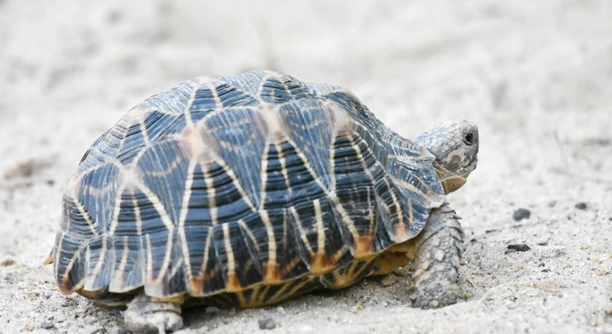
Turtles often rub their faces for various reasons. While it may seem unusual, understanding the cause can help address any potential concerns. This article explores seven possible reasons for this behavior and what it may indicate.
Turtles rubbing their faces could be due to irritation, illness, or environmental factors. A common cause is shedding or debris in the eyes, but it can also be linked to respiratory issues or skin infections. Identifying the underlying cause is crucial.
There are several factors to consider that may explain your turtle’s behavior. Understanding them will help ensure your pet’s well-being.
Shedding Skin or Debris
Turtles naturally shed skin, and during this process, they may rub their faces to remove dead skin. This can be a normal part of their routine. They may also rub their eyes or face if debris, such as small particles of sand or dirt, gets stuck. In these cases, the rubbing helps to clear away anything that might cause irritation. It’s important to monitor your turtle for any signs of prolonged or excessive rubbing, as this could indicate that something is stuck or causing discomfort.
If the rubbing becomes constant, it may be worth checking the tank for potential irritants. A simple cleaning routine can help keep your turtle’s environment safe and comfortable.
Make sure the water quality is optimal, as poor water conditions can exacerbate skin issues and lead to discomfort. Ensure your turtle has a clean and safe environment to thrive in.
Respiratory Issues
Turtles rubbing their faces could also be a sign of respiratory distress. If a turtle experiences difficulty breathing, it may rub its face in an attempt to clear mucus or ease the discomfort. Respiratory infections can develop in turtles, especially if the water temperature is not regulated properly. A turtle struggling with breathing may also exhibit other signs, such as wheezing, lethargy, or a swollen neck.
If you notice any of these symptoms, it’s essential to address the water temperature and overall tank conditions immediately. Ensure the water temperature remains between 75-80°F (24-27°C) to help prevent respiratory issues. If the turtle’s symptoms persist, it may be necessary to consult with a veterinarian who specializes in reptiles. Early treatment can prevent serious complications and ensure your turtle’s health.
Dry Skin or Dehydration
If a turtle’s skin becomes too dry, it may rub its face to relieve the irritation. This can happen when the humidity or water conditions are not ideal. Dehydration, too, can lead to skin issues and discomfort. A dry environment may cause the skin to crack or peel, prompting the turtle to rub itself.
Maintaining proper humidity and hydration levels is essential. Regularly check the water’s temperature, ensure the turtle has access to a moist environment, and consider adding a water filter. A well-maintained tank can help avoid dehydration, which might lead to skin problems. Offering a variety of food, such as leafy greens and aquatic plants, can also aid in hydration.
It’s also important to monitor the turtle’s overall behavior. If the rubbing continues or worsens despite changes in the environment, it could be a sign of a more serious health concern, like infection or illness. Be sure to adjust the habitat accordingly and consult a vet if necessary.
Shell Issues
A turtle might rub its face to try and relieve discomfort caused by its shell. If the shell has abrasions, fungus, or an infection, it can cause irritation that leads to rubbing. The shell can be affected by poor water conditions, injury, or even improper diet.
A healthy shell is essential for your turtle’s well-being. Ensure they have a proper diet that includes calcium and other nutrients to support shell health. Clean the shell regularly to remove any debris or build-up. Keep the water clean and ensure your turtle has access to a basking area where it can dry off completely.
If you suspect your turtle is suffering from shell rot or other shell-related issues, it’s crucial to address the problem immediately. The condition may worsen without intervention, leading to more significant health concerns. A vet may need to examine your turtle for a proper diagnosis and treatment.
Infections or Skin Irritations
Turtles may rub their faces to relieve discomfort caused by infections or skin irritations. These issues can develop from poor water conditions or bacterial growth. Infections can cause swelling, redness, or discharge, leading the turtle to try to rub or scratch at its face for relief.
Proper water filtration, routine tank cleaning, and controlling humidity levels are essential to preventing infections. If you notice unusual skin changes or discharge, it’s important to seek veterinary advice. Skin irritations left untreated can lead to more serious complications. A clean, stress-free environment will help reduce the risk of these issues.
Stress or Discomfort
Stress is another factor that may cause your turtle to rub its face. When turtles are stressed, they may engage in unusual behaviors, including rubbing. Stress can be triggered by various factors, such as overcrowded tanks, loud noises, or sudden changes in the environment.
If your turtle is constantly rubbing its face and exhibits other signs of stress, such as hiding or not eating, it’s important to identify the source of the stress. Reducing environmental stressors like loud sounds or bright lights will help. A turtle’s tank should also be large enough to provide space to move freely.
Improper Diet
An improper diet may also lead to face rubbing in turtles. If your turtle’s diet lacks necessary nutrients like calcium or vitamins, it may experience discomfort that causes it to rub its face. A well-balanced diet is essential for their overall health.
Make sure to offer a varied diet with appropriate foods like leafy greens, protein, and calcium supplements if necessary. An imbalanced diet can lead to malnutrition or health issues that cause discomfort, which might make your turtle rub its face more frequently. Monitoring their food intake and adjusting as needed will help maintain their health.
FAQ
Why is my turtle rubbing its face against the tank?
Turtles may rub their faces against the tank due to discomfort, such as irritation, skin shedding, or debris. They may also do it if they’re trying to clear mucus from their eyes or face. It’s important to monitor the tank’s cleanliness and water quality to prevent such issues. If rubbing persists, a visit to the vet may be necessary to rule out health problems like respiratory issues or skin infections.
How can I stop my turtle from rubbing its face?
Addressing the root cause of the rubbing is the first step. Ensure the water is clean and at the proper temperature. Regular tank maintenance, proper filtration, and ensuring humidity levels are balanced will prevent many common issues. If your turtle is rubbing due to a skin irritation, check for any debris or fungal infections. A vet can help if the rubbing continues despite improving the environment.
Can face rubbing be a sign of illness?
Yes, face rubbing can sometimes signal an illness. Respiratory infections, skin infections, or eye problems might cause your turtle to rub its face as a form of relief. If your turtle exhibits additional symptoms like lethargy, a swollen neck, or discharge from the eyes or nose, consult a veterinarian as soon as possible for proper diagnosis and treatment.
Should I be worried if my turtle rubs its face often?
Occasional face rubbing is usually nothing to worry about, especially if it’s related to normal shedding or cleaning behavior. However, if the behavior becomes excessive or is accompanied by other concerning symptoms like lethargy or difficulty breathing, it’s best to have your turtle checked by a vet. Identifying the cause early can help prevent more serious issues.
How do I know if my turtle has a respiratory infection?
Respiratory infections in turtles often cause difficulty breathing, wheezing, and nasal discharge. You may also notice that your turtle is lethargic or has swollen eyes. If your turtle is rubbing its face and showing these symptoms, it could be suffering from a respiratory infection. A vet can provide the proper treatment.
What should I do if my turtle’s skin is dry?
If your turtle’s skin is dry, make sure that the tank’s humidity level is properly regulated. Dehydration and dry environments can lead to skin problems. Adding a water filter, maintaining proper water temperatures, and offering food with high water content can help. If the skin condition worsens, visit a vet to check for infections or other skin-related issues.
Can my turtle’s diet cause it to rub its face?
An improper diet can contribute to health issues in turtles, including face rubbing. If a turtle isn’t getting enough calcium, vitamins, or other essential nutrients, it may experience discomfort that leads to face rubbing. Ensure your turtle is getting a balanced diet with leafy greens, protein, and supplements as needed to promote its overall health.
Is it normal for a turtle to rub its eyes?
Turtles occasionally rub their eyes to clear debris or because of mild irritation. However, excessive eye rubbing could indicate that something is wrong. It could be a sign of an infection or other eye problem. If your turtle continues to rub its eyes or shows signs of swelling or discharge, consult a vet.
How can I prevent shell problems that lead to face rubbing?
Shell issues such as rot, fungus, or abrasions can cause discomfort and lead to face rubbing. Regular cleaning of the turtle’s shell, ensuring a proper diet, and maintaining a clean tank environment will help prevent shell problems. A basking area for your turtle to dry off is also important. If shell problems persist, a vet should examine the turtle.
When should I take my turtle to the vet for face rubbing?
If the face rubbing persists despite proper care or if it’s accompanied by other symptoms like lethargy, changes in appetite, difficulty breathing, or swollen areas, it’s time to see a vet. A professional will be able to determine if there’s an underlying health issue that needs attention. Regular vet check-ups are also helpful for maintaining overall health.
Could stress cause face rubbing in turtles?
Yes, stress is a possible cause of face rubbing in turtles. Stress can be triggered by changes in the environment, such as overcrowded tanks, poor tank conditions, or sudden temperature fluctuations. Ensure that the turtle’s habitat is spacious, quiet, and free from stressors. Stress relief through proper tank setup and routine care can help reduce face rubbing caused by anxiety.
How do I improve my turtle’s water conditions?
To improve your turtle’s water conditions, ensure the water is clean, filtered, and kept at the right temperature. Regular water changes are crucial, as dirty water can lead to skin irritations and infections. Check the pH and hardness levels regularly and maintain them within the appropriate range for your turtle’s species.
Can dehydration cause face rubbing?
Yes, dehydration can cause face rubbing in turtles. If the turtle is not drinking enough water or if the tank’s humidity is too low, it can lead to dry, irritated skin. Make sure your turtle has access to fresh, clean water at all times. Adjust the tank’s humidity and offer hydrating foods, such as leafy greens, to help with hydration.
What are the common signs of a sick turtle?
Common signs of illness in turtles include lethargy, lack of appetite, swollen or runny eyes, discharge from the nose or mouth, and excessive rubbing or scratching. If your turtle shows any of these symptoms, it’s important to have it checked by a vet to determine the cause and receive treatment.
Final Thoughts
Face rubbing in turtles can be a result of various factors, including irritation, discomfort, or health issues. While some occasional face rubbing is normal, it’s important to pay attention to patterns and look for any signs of distress. If the behavior is persistent, it may indicate a deeper issue, such as skin irritation, infection, or stress. The health of your turtle is closely tied to the environment it lives in, including water quality, tank size, temperature, and diet. Ensuring these factors are optimized can help prevent many of the common causes of face rubbing.
A turtle’s face rubbing could also be a response to something as simple as shedding or cleaning itself. Turtles naturally shed their skin and may rub their face to remove old skin or debris. This behavior should not cause concern unless it is excessive or paired with other symptoms, such as swelling, lethargy, or appetite changes. If face rubbing becomes a regular occurrence, it could suggest that the turtle is feeling unwell or stressed. Stressors such as overcrowded tanks, sudden environmental changes, or improper tank conditions can lead to such behaviors. Identifying and eliminating stressors will help your turtle feel more comfortable and reduce the chances of face rubbing.
In any case, if you are concerned about your turtle’s behavior, the best course of action is to monitor it closely and consider a visit to a veterinarian if necessary. A vet can help determine if there is an underlying health issue and recommend treatment. Regular tank maintenance, a proper diet, and a peaceful living environment are the foundation for your turtle’s well-being. Providing these essentials will not only prevent face rubbing but will also ensure that your turtle remains healthy and happy in the long term.

Hello,
If you enjoy the content that we create, please consider saying a "Thank You!" by leaving a tip.
Every little bit helps us continue crafting quality advice that supports the health, happiness, and well-being of pets around the world, for pets of all shapes, sizes, and species.
We really appreciate the kindness and support that you show us!