
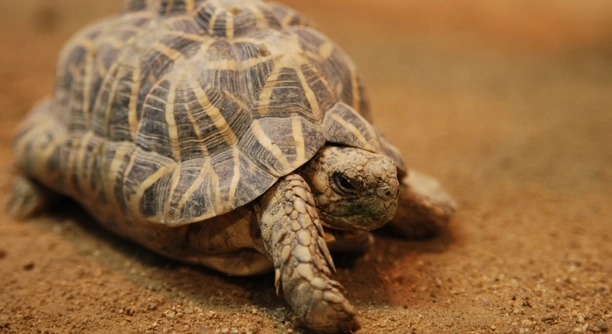
Turtle owners know the importance of a healthy shell. Just like their overall health, the condition of their shell requires attention. Understanding the factors that affect shell health can help ensure your turtle thrives.
Maintaining your turtle’s shell health involves proper nutrition, regular cleaning, appropriate environmental conditions, and ensuring the shell remains free from injury or infection. These factors collectively contribute to the longevity and well-being of your turtle’s shell.
Taking care of your turtle’s shell is essential for its overall health. Implementing these simple steps can make a big difference.
Proper Diet for Shell Health
A well-balanced diet plays a vital role in maintaining the health of your turtle’s shell. Including the right amount of calcium, vitamin D3, and other essential nutrients can promote strong shell growth and prevent deformities. Offer a variety of foods like leafy greens, vegetables, and high-quality pellets designed specifically for turtles. The right diet encourages natural shell development and helps prevent common health issues like shell softening or deformities. Keep an eye on your turtle’s eating habits and adjust their food intake as needed.
Healthy shell growth begins with proper nutrition. Calcium is crucial for building strong bones and shell structure. Without enough calcium, a turtle’s shell may become soft or malformed, leading to more serious health issues. Ensuring your turtle gets adequate vitamin D3, either from sunlight or supplementation, will help them properly absorb calcium.
Providing a variety of foods will also give your turtle the necessary vitamins and minerals for overall well-being. Regularly changing their diet will help prevent any nutritional deficiencies. A diverse diet will support shell health as well as general longevity.
Maintaining Cleanliness
Cleaning your turtle’s shell regularly prevents the build-up of dirt and algae. It’s essential to gently scrub your turtle’s shell using a soft brush and lukewarm water. This will help avoid any potential infections.
Regular cleaning prevents infections and ensures your turtle stays healthy. Algae build-up, dirt, and bacteria can weaken a turtle’s immune system. Keeping your turtle’s shell clean reduces the chance of any shell-related illnesses and promotes a shiny, healthy shell.
Providing the Right Environment
Turtles require a well-maintained habitat to thrive. Ensure their enclosure has proper lighting, temperature, and humidity levels. An environment that mimics their natural habitat is essential for their overall health, including shell development. Regularly monitor and adjust their environment as needed to keep them comfortable.
Proper UVB lighting is crucial for your turtle’s shell health. It aids in the synthesis of vitamin D3, which helps them absorb calcium and maintain a strong shell. Without adequate lighting, turtles may develop soft shells or other health issues. Be sure to offer a basking area with proper warmth.
Turtles also need enough space to move around and exercise. A cramped environment can lead to stress and unhealthy behaviors, affecting both their shell and general health. A spacious, clean, and well-regulated habitat allows your turtle to feel secure and promotes better overall shell and bone growth.
Preventing Injuries
Protecting your turtle from injuries is essential for keeping its shell in good condition. Sharp objects or rough surfaces in their enclosure can lead to cuts or cracks, which may eventually become infected. Always check the environment for potential hazards.
An injured shell can become a serious problem if left untreated. If your turtle’s shell becomes cracked or scratched, keep it clean and avoid further stress to the animal. Sometimes, a vet may need to treat the injury with special care or antibiotics to prevent infection. Taking quick action is key.
If your turtle’s injury worsens or doesn’t heal properly, a vet will help you decide whether shell surgery or other treatments are necessary. Protecting your turtle from injuries will prevent long-term damage to its shell, making it essential to check for potential dangers regularly.
Regular Shell Checks
Regularly inspect your turtle’s shell for signs of damage or irregularities. Check for cracks, soft spots, or discoloration. Early detection of any issues allows you to take action before it becomes a serious health concern. Keeping an eye on their shell ensures that minor problems don’t escalate.
If you notice anything unusual, it’s essential to address the issue promptly. For example, if you spot any soft areas, this may indicate a calcium deficiency. Taking steps to correct the problem quickly can prevent long-term damage. Regular checks are the best way to stay on top of your turtle’s health.
Shell Conditioning
Shell conditioning involves providing your turtle with proper care to ensure its shell stays healthy and strong. A turtle’s shell can benefit from calcium supplements, which will help build its structure. Exposure to sunlight or UVB lighting is also vital to help the turtle process calcium effectively.
Diet plays a key role in shell conditioning as well. Offering your turtle foods high in calcium, such as leafy greens and fortified pellets, encourages optimal shell development. Additionally, make sure your turtle has a suitable habitat with plenty of space to allow movement and exercise, as this contributes to shell strength. Regular shell checks should continue to monitor for any changes or issues.
Shell Drying
Occasionally, your turtle’s shell needs to dry out to prevent fungal growth or other shell-related problems. Drying allows the shell to breathe and ensures that no moisture accumulates under the surface. This simple practice can support shell health.
When you take your turtle out of the water for drying, make sure they are in a warm, dry area. Keep the time short to avoid stressing your turtle, but ensure the shell has sufficient time to dry thoroughly.
FAQ
How can I tell if my turtle’s shell is healthy?
A healthy turtle shell is firm, smooth, and free of cracks or soft spots. It should be free from any discoloration or noticeable indentations. Regular inspections will help you identify if something is wrong. If you notice any of these signs, it may be time to make changes to its care.
What should I do if my turtle’s shell is soft?
A soft shell usually indicates a calcium deficiency. You can improve your turtle’s calcium intake by offering calcium-rich foods like leafy greens or supplements. Ensure they also have access to proper UVB lighting to help with calcium absorption. If the problem persists, a vet should be consulted.
Can my turtle’s shell heal from injury?
Small cracks or scratches may heal on their own with proper care, but larger injuries could require veterinary attention. Keeping the shell clean and free of infection is essential for healing. If the injury doesn’t heal or becomes infected, a vet may need to intervene.
How do I know if my turtle has a shell infection?
Signs of a shell infection include swelling, redness, or discharge. The shell may appear soft, or there may be foul odors. In severe cases, the shell may start to separate from the underlying bone. If you notice these signs, prompt veterinary care is recommended.
How often should I clean my turtle’s shell?
Cleaning should be done regularly, at least once a week, to prevent algae buildup and infections. Gently scrub the shell with a soft brush and lukewarm water. Avoid harsh cleaning products, as they can irritate the turtle’s skin or shell. Keeping the shell clean helps prevent bacteria and fungal growth.
Is UVB lighting really necessary for my turtle’s shell health?
Yes, UVB lighting is crucial for your turtle’s overall health, especially for shell development. It helps your turtle absorb calcium, which is essential for a strong and healthy shell. Without adequate UVB exposure, your turtle may develop soft shells or other bone issues.
Can turtles suffer from shell rot?
Yes, shell rot is a common issue, often caused by poor water quality, bacteria, or injury. If untreated, it can lead to severe infections. To prevent shell rot, maintain a clean habitat, avoid rough surfaces, and monitor your turtle’s shell for signs of decay.
What are the best foods to feed my turtle for shell health?
Leafy greens like kale, collard greens, and dandelion greens are excellent sources of calcium. You can also feed your turtle calcium-enriched pellets, vegetables, and occasionally, fruits. A balanced diet rich in nutrients will support their shell health and overall well-being.
How long does it take for a turtle’s shell to grow?
A turtle’s shell grows continuously throughout its life, though it’s a slow process. The growth rate depends on factors like age, diet, and environmental conditions. In young turtles, the shell grows more quickly, while adult turtles experience slower growth. Be patient and monitor progress regularly.
Why is my turtle’s shell turning a different color?
A change in shell color can be due to various factors, including diet, lighting, or health conditions. A yellowing shell could be a sign of dehydration or poor nutrition, while dark spots might indicate an infection. Ensure your turtle’s diet is balanced and that it is receiving proper UVB lighting.
What is the best habitat for my turtle to maintain shell health?
Turtles need a well-maintained habitat with proper water filtration, adequate space, and both basking and swimming areas. The basking area should be warm, with access to UVB lighting. Clean water is essential for preventing infections and promoting a healthy shell. Regularly check the environment for safety.
How can I prevent my turtle from injuring its shell?
Ensure that your turtle’s enclosure is free from sharp objects or rough surfaces. Create a safe environment with smooth, non-abrasive materials. You should also avoid overcrowding the tank, as stress can lead to risky behavior and potential injury. Regular checks for hazards will help prevent problems.
Is it okay to let my turtle swim in the wild?
While it might seem natural, swimming in the wild poses significant risks to your turtle, such as exposure to diseases, parasites, and predators. It’s best to keep your turtle in a controlled environment where their health and safety can be monitored more easily.
Should I use supplements for my turtle’s shell health?
Supplements can be beneficial for providing extra calcium or vitamins, especially if your turtle’s diet is lacking. Calcium supplements should be used cautiously, as over-supplementing can lead to other health problems. Consult a veterinarian for recommendations based on your turtle’s specific needs.
Can I take my turtle outside for natural sunlight?
Yes, outdoor exposure to natural sunlight is beneficial for turtles, as it helps them absorb vitamin D3. However, it’s essential to keep an eye on your turtle to ensure they don’t overheat or become exposed to predators. Limit outdoor time and provide access to shaded areas.
Final Thoughts
Taking care of a turtle’s shell health is essential for their overall well-being. A strong, healthy shell helps protect them from external harm and is a sign of good overall health. Regular checks and proper care are key to ensuring that your turtle’s shell remains in great condition. Providing the right environment, a balanced diet, and adequate lighting all play a vital role in shell maintenance. Keeping your turtle’s habitat clean and free of sharp objects will also help prevent injuries. By staying proactive with these basic steps, you can prevent many common shell issues.
Understanding the importance of calcium for shell health is crucial. Without proper calcium intake and UVB lighting, a turtle’s shell can become soft and prone to damage. Calcium helps strengthen the shell, so it’s important to provide your turtle with calcium-rich foods and supplements. Consistent exposure to UVB lighting will ensure they can absorb this calcium effectively. Pay attention to any signs of soft spots or cracks, as they could indicate calcium deficiencies or other issues. If you notice any irregularities, it’s best to act quickly to address them before they become more serious.
Lastly, turtle care is about consistency. Small, daily habits like checking your turtle’s shell, ensuring a clean living environment, and providing nutritious food all add up over time. Shell health doesn’t happen overnight, but with attention and care, you’ll see positive results. Remember that each turtle is unique, and what works for one may not work for another. Observing their behavior and shell condition closely will guide you in providing the best care for your turtle. Over time, these efforts will help keep your turtle happy, healthy, and protected.

Hello,
If you enjoy the content that we create, please consider saying a "Thank You!" by leaving a tip.
Every little bit helps us continue crafting quality advice that supports the health, happiness, and well-being of pets around the world, for pets of all shapes, sizes, and species.
We really appreciate the kindness and support that you show us!