
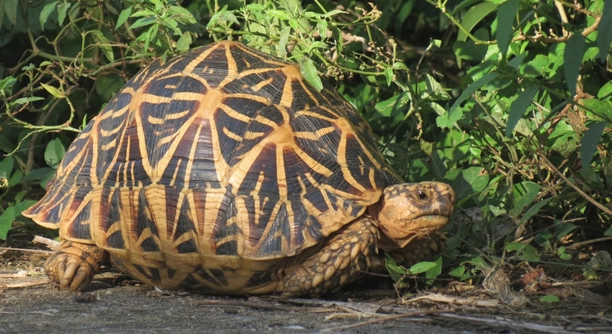
Turtles are fascinating creatures, often found in ponds, lakes, and even as pets. If you own a turtle, you may wonder about their diet and what foods they can enjoy. One common food question is whether turtles can eat cheese.
Turtles should not be fed cheese. Dairy products like cheese are not suitable for their digestive systems and can cause health issues. Turtles lack the enzymes needed to process lactose, which can lead to discomfort, diarrhea, or other digestive problems.
Cheese is not a recommended food for turtles. To ensure your turtle’s health, it’s essential to understand the risks and explore better dietary options.
Why Cheese Is Not a Good Food for Turtles
Turtles, like many animals, have specific dietary needs that are crucial for their well-being. When it comes to cheese, it’s important to understand that turtles simply cannot digest dairy products properly. While it may seem harmless to share a little cheese with your pet, the consequences could be harmful. Most turtles lack the enzymes required to break down lactose, which can cause gastrointestinal issues like diarrhea or bloating. In the wild, turtles do not consume dairy, so their bodies aren’t equipped to process it. This means offering cheese may lead to long-term health concerns, such as dehydration or malnutrition. It’s always best to stick with foods that align with their natural diet.
Feeding cheese to turtles can upset their digestive system and lead to discomfort. Their bodies cannot break down the lactose found in dairy products, which may cause digestive distress.
To keep your turtle healthy and happy, it’s crucial to provide foods that match their natural diet. Turtles thrive on vegetables, fruits, and certain proteins that they would naturally encounter in their habitat. For example, leafy greens like kale, dandelion greens, and romaine lettuce are great choices for a balanced diet. If you’re offering protein, options like worms, crickets, or small pieces of fish are also suitable. Additionally, certain types of aquatic plants can be a great way to mimic their wild diet. By avoiding cheese, you ensure that your turtle remains healthy, with a properly functioning digestive system and a strong immune system.
Digestive Issues Linked to Cheese
Cheese can lead to digestion problems in turtles, such as bloating and diarrhea. When their bodies struggle with lactose, it causes discomfort and health problems.
If you’re concerned about your turtle’s health, consider monitoring their reaction to food. In case of digestive issues, remove cheese and provide fresh water to prevent dehydration.
Lack of Nutritional Value in Cheese
Cheese offers little nutritional benefit to turtles. While it may seem like a tasty treat, it doesn’t provide the essential vitamins and minerals that turtles need. Their diet should focus on foods that help their growth, shell health, and overall well-being.
Turtles need a diet rich in nutrients like calcium, vitamins A and D, and fiber. Cheese is high in fat and protein but lacks the vital nutrients they require. Feeding your turtle a diet full of high-fat dairy can lead to poor health, obesity, and other long-term issues. Instead, try providing vegetables and appropriate protein sources, which offer more balanced nutrition.
Turtles, especially aquatic ones, need calcium for strong shells and bones. Cheese does not provide the necessary calcium that many turtle species need. Foods like cuttlebone, calcium-rich leafy greens, and calcium supplements are a far better choice to ensure their shells stay healthy and intact.
Risk of Obesity and Health Complications
Turtles can easily gain weight if they are fed too many high-fat foods, and cheese is a major contributor. Over time, obesity can lead to a range of health issues, including heart problems and mobility issues.
Obesity in turtles can result in reduced activity levels and strain on their organs. High-fat foods like cheese contribute to weight gain, especially when consumed in excess. If a turtle becomes obese, it can have difficulty moving around, which affects its overall quality of life. It may also develop serious conditions like liver disease, which can shorten its lifespan. Stick to healthy, natural foods like vegetables and insects to avoid this risk.
Feeding your turtle too much cheese can also lead to an unhealthy diet that lacks the right balance of nutrients. Over time, your turtle may develop a deficiency in vitamins and minerals, which can compromise its immune system and leave it more vulnerable to illness. A balanced diet is key to a turtle’s health.
Poor Digestibility of Dairy for Turtles
Turtles have a hard time digesting dairy products. Their stomachs are not equipped to handle lactose, which can lead to digestive issues. Cheese is particularly troublesome, as it can cause discomfort and diarrhea in your turtle.
Without the proper enzymes to break down lactose, turtles often experience digestive stress when they consume cheese. Even small amounts can lead to bloating or upset stomachs, making it uncomfortable for your turtle.
Cheese Can Lead to Dehydration
Cheese can lead to dehydration in turtles. As their digestive system struggles with it, they can lose water, which is crucial for their overall health.
Dehydration can have serious consequences for a turtle, affecting its metabolism, energy levels, and even organ function. To help your turtle stay hydrated, make sure they always have access to fresh water and avoid feeding them foods that contribute to dehydration.
FAQ
Can I give my turtle cheese as a treat?
It’s best not to give your turtle cheese. While it might seem like a simple treat, cheese is not suitable for turtles due to their inability to digest lactose. This can lead to digestive problems like diarrhea, bloating, and dehydration. Instead, offer healthier options like leafy greens, vegetables, or insects that align with their natural diet.
What happens if my turtle eats cheese?
If your turtle eats cheese, they may experience digestive issues. Turtles lack the necessary enzymes to break down lactose, which could result in bloating, diarrhea, and discomfort. In the long run, feeding them cheese could lead to dehydration and other health issues. It’s important to avoid this and provide food that supports their digestive system.
How do I know if my turtle is sick after eating cheese?
If your turtle has eaten cheese and shows signs of illness, watch for symptoms like diarrhea, bloating, or lethargy. These symptoms can indicate digestive distress, which might be caused by lactose intolerance. If the symptoms persist for more than a day or worsen, it’s a good idea to contact a veterinarian for advice.
What foods should I avoid feeding my turtle?
There are several foods you should avoid giving your turtle. These include dairy products like cheese, as well as processed foods, sugary snacks, and salty foods. Also, avoid feeding your turtle foods that are toxic to them, such as avocado, onions, or garlic. Stick to their natural diet of vegetables, fruits, and appropriate proteins like worms, crickets, or small fish.
Can turtles eat other dairy products like milk or yogurt?
No, turtles should not eat any dairy products, including milk or yogurt. Like cheese, these products contain lactose, which turtles cannot digest. This can lead to similar digestive issues, including diarrhea and bloating. It’s important to avoid dairy altogether and instead focus on nutrient-rich foods suited for your turtle’s digestive system.
How much should I feed my turtle?
The amount you should feed your turtle depends on its size, age, and species. Generally, turtles should be fed once a day, offering a mix of vegetables, fruits, and protein sources like insects or small fish. It’s important not to overfeed your turtle, as it can lead to obesity and other health problems. If you’re unsure about portion sizes, it’s always a good idea to consult with a vet.
Can cheese harm aquatic turtles?
Yes, cheese can harm aquatic turtles just as much as land turtles. Their digestive systems are also not designed to process dairy, leading to similar issues like diarrhea and bloating. Aquatic turtles require a diet consisting of fresh vegetables, water plants, and protein sources found in their natural environment. Cheese does not fit into their dietary needs and can cause more harm than good.
What is a good diet for a pet turtle?
A good diet for a pet turtle includes a mix of leafy greens like kale, dandelion greens, and romaine lettuce. You can also offer fruits such as strawberries, apples, or melons in moderation. Additionally, small insects, worms, or fish can be offered as a protein source. Avoid overfeeding fruits or high-fat foods, as they can lead to obesity. For calcium, provide cuttlebone or calcium-rich plants. A balanced diet is key to ensuring your turtle’s health.
Should I give my turtle vitamin supplements?
If your turtle isn’t getting the right nutrients from its diet, vitamin supplements may be necessary. Consult with a veterinarian to determine whether supplements are needed. Common supplements include calcium for shell and bone health, and vitamin A for skin and eye health. However, a varied diet should meet most of your turtle’s needs, and supplements should only be used when necessary.
How can I prevent my turtle from becoming overweight?
To prevent your turtle from becoming overweight, monitor their food intake carefully. Avoid giving them too many high-fat foods like cheese, and focus on a balanced diet of vegetables, fruits, and protein. Regular exercise is also important. If your turtle lives in an aquarium, provide enough space for them to swim and move around, promoting physical activity.
Can turtles eat lettuce?
Yes, turtles can eat lettuce, but it’s important to offer the right kind. Romaine lettuce is a good option, as it’s rich in fiber and low in fat. Avoid iceberg lettuce, as it has very little nutritional value. Lettuce should be just one part of a varied diet, along with other leafy greens and protein sources.
Final Thoughts
Turtles are fascinating creatures, and taking care of their diet is an important part of keeping them healthy. While it may seem tempting to offer them a variety of human foods, it’s crucial to understand what their bodies can handle. Dairy products, like cheese, should be avoided, as they can cause serious digestive problems. Turtles lack the necessary enzymes to break down lactose, which means cheese can lead to diarrhea, bloating, and dehydration. These issues can be uncomfortable for your turtle and may result in long-term health problems if it becomes a regular part of their diet.
The best way to ensure your turtle stays healthy is by sticking to foods that match their natural diet. Leafy greens like kale, romaine lettuce, and dandelion greens provide the nutrients that turtles need to thrive. Insects, worms, and small fish are great protein sources, and you can also offer fruits like strawberries or melons in moderation. A varied diet will help provide the vitamins and minerals necessary for their growth and strong shell development. It’s also important to keep your turtle’s living environment clean, offer fresh water regularly, and monitor their overall health to spot any issues early on.
By paying attention to what you feed your turtle, you’ll avoid many common health issues. Cheese might seem like a harmless treat, but it can cause more harm than good. Keep your turtle’s diet balanced and natural, and they will live a healthier and happier life. If you ever have doubts or need guidance on your turtle’s diet, consulting a veterinarian is always a good idea. With proper care and attention, your turtle can enjoy a long, healthy life free from the digestive troubles caused by foods like cheese.

Hello,
If you enjoy the content that we create, please consider saying a "Thank You!" by leaving a tip.
Every little bit helps us continue crafting quality advice that supports the health, happiness, and well-being of pets around the world, for pets of all shapes, sizes, and species.
We really appreciate the kindness and support that you show us!