
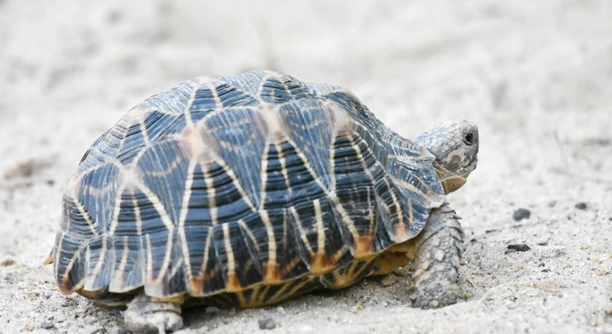
Turtles need a basking spot to regulate their temperature and stay healthy. If your turtle isn’t using its basking area, it could be due to a few different reasons. It’s important to understand why this is happening.
Several factors may prevent your turtle from using its basking spot, including improper temperature, lighting, or stress. A lack of proper basking conditions or discomfort in the environment can make the spot less appealing to your turtle.
Adjusting the basking area may help improve your turtle’s behavior. There are simple fixes that could encourage your turtle to bask more often.
Incorrect Temperature in the Basking Spot
If your turtle isn’t using its basking spot, the temperature could be a major issue. Turtles are cold-blooded animals, meaning they need external heat sources to regulate their body temperature. Without a properly heated basking area, your turtle may avoid it. The ideal temperature for most species of turtles is between 85°F and 90°F (29°C to 32°C) for basking. If the basking spot is too cold, your turtle won’t feel comfortable enough to stay there.
If the temperature is consistently below this range, your turtle might become lethargic, or it could spend more time in the water, trying to cool down. You should check the basking spot’s temperature using a reliable thermometer to ensure it meets your turtle’s needs. This can easily be fixed by adjusting the heat source or replacing the bulb if needed.
A proper basking spot is crucial for your turtle’s health. Without the right heat, they might not be able to digest food properly or may suffer from other health problems. Adjust the temperature in the area and watch how your turtle responds to the changes.
Inadequate Lighting
The right lighting is essential for your turtle to bask properly. Turtles require UVB lighting to produce vitamin D3, which helps them absorb calcium and keep their shells healthy. Without UVB, your turtle might avoid basking or appear uninterested in the spot.
The UVB bulb should be placed close enough to the basking area so that your turtle can receive adequate exposure. Make sure you replace the bulb regularly, as its effectiveness decreases over time.
Stress or Anxiety
Stress can prevent your turtle from using its basking spot. Turtles are sensitive creatures, and changes in their environment can cause them to feel uneasy. Whether it’s due to a loud noise, a new pet, or a tank that’s too small, stress can make your turtle seek shelter elsewhere.
A stressed turtle will likely hide more often and avoid basking in the open. It might stay in the water or in darker, more secluded areas of the tank. If your turtle is stressed, try to identify the cause and address it. Sometimes, simply moving the tank to a quieter location or adding more hiding spots can help.
You can also try to monitor your turtle’s behavior to see if it’s a specific event that’s causing the stress. Providing a calm and stable environment will help your turtle feel safe and encourage it to use its basking area more frequently. Creating a peaceful space can go a long way.
Tank Too Small
If your turtle’s tank is too small, it might not feel comfortable basking. Turtles need space to move around and enjoy both their water and basking spots. A cramped tank could cause stress, making it less likely your turtle will use the basking area.
A larger tank allows your turtle to explore and feel less confined. This provides the option to move between the water and basking areas freely. Consider upgrading your tank if it feels crowded. The more room your turtle has, the more likely it is to use the basking spot. The right size tank is also essential for maintaining clean water, which is vital for your turtle’s health.
Make sure the tank is at least 40 gallons for one adult turtle, with additional space as needed for more turtles. A larger tank can improve your turtle’s overall quality of life, helping it feel more comfortable basking and exploring its environment.
Basking Area Not Appealing
Your turtle may avoid the basking spot if it’s uncomfortable. The basking area should be easy for your turtle to climb onto and be large enough for it to spread out. A small, uneven surface can make it harder for your turtle to stay there.
Check if the surface of the basking area is too rough or slippery for your turtle. Adding a textured mat or a smooth rock can provide a more comfortable surface. If the basking spot is hard to reach, your turtle may simply avoid it altogether.
Improper Water Temperature
If the water temperature is too warm or too cold, your turtle might not be motivated to bask. Turtles prefer water that’s between 72°F and 80°F (22°C to 27°C). Water outside this range can affect their behavior and prevent them from using the basking spot.
Turtles need a contrast between the warm basking area and cooler water to regulate their body temperature effectively. Adjusting the water temperature can encourage your turtle to leave the water and bask more often. It’s crucial to ensure that both water and basking areas are within the ideal range.
Illness or Injury
Sometimes, your turtle may avoid basking due to an underlying health problem. Illness or injury can make it uncomfortable to bask, causing your turtle to stay in the water more often. If your turtle shows signs of lethargy or discomfort, it’s important to take action.
If you notice that your turtle is refusing to bask and showing abnormal behavior, consult a vet. Health problems such as respiratory infections or shell issues may make it difficult for your turtle to feel comfortable on its basking spot. Early detection and treatment are essential.
FAQ
Why isn’t my turtle using the basking spot?
There are several reasons why your turtle may not be using its basking spot. It could be due to improper temperature, uncomfortable surfaces, or stress. Additionally, the lighting might not be right, or the tank may be too small for the turtle to feel secure. If your turtle feels threatened or uncomfortable in its environment, it may avoid the basking area altogether. Checking the basking area’s temperature and ensuring the proper lighting can help.
How can I encourage my turtle to use the basking spot?
To encourage your turtle to bask, ensure the basking spot is comfortable and accessible. Make sure the temperature is within the right range (around 85°F to 90°F or 29°C to 32°C) and that the UVB light is properly positioned. Adding a textured surface for easier climbing and making sure the tank is spacious can also help. Reducing stress in the environment by minimizing noise and disturbances will encourage your turtle to feel safe and bask more often.
Can I use a regular light bulb for basking?
A regular light bulb will not provide the necessary UVB radiation for your turtle’s health. Turtles require a special UVB bulb to help them absorb calcium and maintain healthy shells. UVB bulbs are designed specifically to mimic natural sunlight, which is essential for your turtle’s well-being. Be sure to use the proper UVB bulb, and replace it regularly since the UVB output decreases over time, even if the light still works.
How long should my turtle bask each day?
Turtles need to bask for several hours each day to properly regulate their body temperature and to absorb UVB rays for vitamin D3 production. Generally, 4 to 6 hours of basking time is ideal for most species. This ensures they can fully benefit from the heat and light. However, you should also make sure that your turtle has access to water where it can cool off when needed.
What is the best temperature for my turtle’s basking spot?
The ideal temperature for your turtle’s basking area should range from 85°F to 90°F (29°C to 32°C). This temperature is warm enough for your turtle to dry off and regulate its body temperature. Too hot or too cold, and your turtle may avoid the basking area or suffer from health problems. Use a thermometer to monitor the temperature of the basking spot and adjust the heat source as needed.
Should I worry if my turtle isn’t basking?
If your turtle is not basking, it’s important to figure out why. It could be a sign of discomfort or environmental issues like incorrect temperatures, improper lighting, or stress. However, if your turtle is otherwise healthy and active, it might simply be taking a break from basking. If your turtle is lethargic, has no interest in basking, or shows signs of illness, it’s best to consult a veterinarian to rule out any health problems.
Can a small tank affect my turtle’s basking behavior?
Yes, a small tank can cause your turtle to avoid basking. Turtles need space to feel safe and comfortable. If the tank is too small, your turtle may feel trapped and prefer staying in the water instead of basking. A cramped tank can also lead to poor water quality and insufficient lighting, both of which may discourage basking. A tank that’s at least 40 gallons for one adult turtle is recommended for proper space and comfort.
How do I know if my turtle has a health problem?
Health problems in turtles can be difficult to spot, but some common signs include lethargy, lack of appetite, abnormal swimming, difficulty breathing, or staying in the water for long periods. If your turtle is not basking, it could indicate discomfort or pain. Any sudden changes in behavior should be taken seriously. A trip to the vet can help diagnose and treat any potential health issues. Regular check-ups can also prevent health problems before they become serious.
How often should I change the UVB light for my turtle?
UVB lights lose their effectiveness over time, even if the bulb still works. It’s recommended to replace the UVB bulb every 6 to 12 months, depending on the type of bulb you use. Regular replacement ensures that your turtle gets the proper amount of UVB exposure for its health. Make sure to check the manufacturer’s guidelines for replacement timing to keep your turtle’s environment healthy and supportive of its needs.
Can I use a heat lamp for the basking area?
Yes, a heat lamp is commonly used for the basking area to maintain the proper temperature. Heat lamps help simulate the sun’s warmth, which is essential for your turtle’s overall health and well-being. Be sure the lamp is positioned at the correct distance to avoid overheating the basking spot. Combine it with the appropriate UVB bulb to ensure both heat and lighting are ideal for your turtle’s needs.
Why does my turtle spend more time in the water than on the basking spot?
Turtles often spend more time in the water if the basking area is too uncomfortable or if the water temperature is more suitable. If the water temperature is too low or too high, your turtle may seek refuge in the water. Another possibility is that the basking spot might not be properly lit or heated, making the water a more appealing option. Check both the basking spot and water temperature to ensure they are within the optimal range.
Final Thoughts
When it comes to turtles, creating the right environment is key to ensuring they thrive. If your turtle isn’t using its basking spot, it’s important to consider several factors. Temperature, lighting, and the overall setup of the basking area all play a role in encouraging your turtle to spend time there. Turtles need warmth to regulate their body temperature and to digest their food properly. Without the right conditions, your turtle may avoid the basking spot and stay in the water, which could affect its health in the long run.
Pay attention to the specifics of your turtle’s habitat. The basking area should be easy to access, large enough for your turtle to stretch out comfortably, and the temperature should be just right—around 85°F to 90°F. In addition, proper UVB lighting is essential for calcium absorption and shell health. Without these conditions, your turtle might not be able to bask properly. Ensuring a proper balance between water temperature and basking heat can also help your turtle feel more comfortable moving between both areas. If any of these aspects are off, your turtle might not feel encouraged to bask.
In some cases, the cause of your turtle’s behavior might be more personal. Stress, health issues, or even tank size can also influence whether or not your turtle uses its basking area. A stressed turtle may avoid basking altogether, so it’s important to create a peaceful environment. Make sure your turtle has enough space to move around, and check for any signs of illness if it’s showing unusual behavior. By addressing the potential causes and providing a more comfortable space, your turtle will likely return to basking regularly.

Hello,
If you enjoy the content that we create, please consider saying a "Thank You!" by leaving a tip.
Every little bit helps us continue crafting quality advice that supports the health, happiness, and well-being of pets around the world, for pets of all shapes, sizes, and species.
We really appreciate the kindness and support that you show us!