
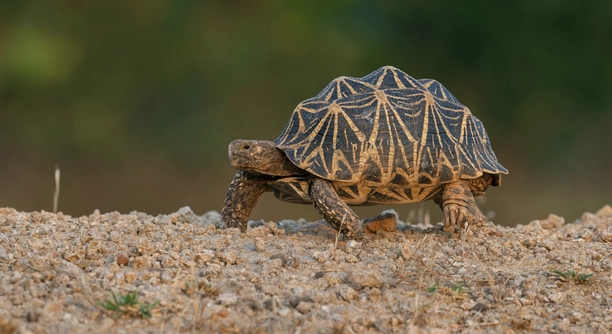
Is your turtle ignoring its ramp, leaving you wondering what might be wrong? A ramp is essential for basking, but sometimes turtles refuse to use it. Understanding the reasons behind this behavior can help you find a solution.
The most common reason your turtle is not using its ramp is improper design. If the ramp is too steep, slippery, or unstable, your turtle may feel unsafe. Ensuring the ramp has a gradual incline, a non-slip surface, and strong support encourages use.
Other factors like water temperature, lighting, or health issues can also affect your turtle’s willingness to climb. Identifying the cause will help you create a comfortable and accessible environment for your pet.
The Ramp Is Too Steep
A ramp that is too steep can make climbing difficult for your turtle. If the angle is too sharp, your turtle may struggle to get a good grip or feel unsafe attempting to climb. Turtles prefer gradual inclines that allow them to move at their own pace. A steep ramp can cause stress and prevent your turtle from basking properly. To fix this, adjust the ramp to a gentler slope. Using a longer ramp can help reduce the incline, making it easier for your turtle to use. Small changes can make a big difference in your turtle’s comfort.
A steep ramp can also lead to injuries if your turtle slips and falls. Ensuring a safe, gradual incline is important for their well-being.
Check the ramp’s positioning and stability. If needed, place additional support beneath it to create a better slope. Observing your turtle’s behavior can help determine if the adjustment is working.
The Surface Is Too Slippery
Turtles need a secure surface to grip when climbing. If the ramp is too smooth, your turtle may slip and avoid using it. Textured materials help provide traction and make the ramp easier to climb.
Adding a non-slip surface can solve this issue. Rubber mats, reptile-safe grip tape, or rough-textured tiles are great options. These materials mimic natural surfaces and allow your turtle to move confidently. Avoid using anything that could harm their feet, such as sharp or overly rough textures. A simple way to test the ramp is by lightly running your fingers over it—if it feels too slick, your turtle likely struggles with it too.
Placement also matters. If the ramp shifts when your turtle steps on it, they may avoid using it. Secure it properly to ensure stability. Once the surface is safe and sturdy, your turtle should start using the ramp more comfortably.
The Ramp Is Unstable
If the ramp wobbles or moves when your turtle steps on it, they may feel unsafe using it. A shaky ramp can make climbing stressful, leading your turtle to avoid it completely. Securing the ramp properly can make a big difference in their confidence.
To fix this, check for any loose attachments. If the ramp is connected with suction cups, ensure they are firmly pressed against the tank. For floating ramps, adding extra support can help reduce movement. You can also place weighted objects near the base to keep it steady. If your turtle still avoids the ramp, consider switching to a more stable design. Testing the ramp by gently pressing on it can help you identify any weak points before making adjustments.
Some turtles may take time to trust a newly stabilized ramp. Encouraging them by placing treats near the base or gently guiding them can help build confidence. Consistency is key—once they realize the ramp is secure, they should start using it regularly.
The Water Level Is Too Low
If the water level is too low, your turtle may struggle to reach the ramp. A higher water level allows them to swim up and access it more easily. If they have to stretch too much, they might give up entirely.
Check if your turtle can comfortably reach the ramp without excessive effort. If needed, gradually increase the water level while ensuring there is still enough space for basking. A good balance helps them transition smoothly from swimming to climbing. If adjusting the water level is not an option, consider extending the ramp to make it more accessible. A properly positioned ramp ensures your turtle can bask without difficulty.
A low water level can also affect your turtle’s overall comfort. They rely on adequate water depth for movement and exercise. Keeping the right balance between water and basking space helps maintain their well-being.
The Lighting Is Incorrect
Turtles rely on proper lighting to regulate their body temperature. If the basking area is not warm or bright enough, they may not feel motivated to use the ramp. Ensuring the right balance of heat and UVB light can encourage them to bask regularly.
Position the basking light directly over the area to create an inviting spot. Use a thermometer to check the temperature—ideally, it should be between 85-95°F. If the light is too weak or positioned incorrectly, your turtle may not be drawn to the ramp. Adjusting the setup can make a noticeable difference.
The Turtle Is Unwell
If your turtle is avoiding the ramp despite ideal conditions, health issues may be the reason. Lethargy, lack of appetite, or unusual behavior can indicate illness. Respiratory infections, metabolic bone disease, and shell problems can make movement difficult. A vet checkup can help identify and address any underlying concerns.
The Turtle Is Not Used to It
Some turtles take time to adjust to a new ramp. If they have never used one before, they may need encouragement. Placing treats near the base or gently guiding them can help them feel more comfortable. Patience and consistency can make all the difference.
FAQ
Why is my turtle scared of the ramp?
Turtles can be cautious when something feels unfamiliar or unstable. If the ramp moves, is too steep, or has a slippery surface, your turtle may avoid it. Sudden changes in their environment can also cause hesitation. Give them time to adjust while ensuring the ramp is safe and easy to use.
How can I encourage my turtle to use the ramp?
Start by making the ramp as accessible and comfortable as possible. A gentle slope, textured surface, and stable setup can help. Place food or treats near the base to attract your turtle. If they are hesitant, try gently guiding them toward the ramp without forcing them.
What type of ramp is best for my turtle?
The best ramp is one that provides a gradual incline, a non-slip surface, and sturdy support. Floating docks, cork bark, or custom-built ramps with grip-friendly materials are great options. Avoid overly steep or flimsy designs, as they can make climbing difficult.
Should I replace my turtle’s ramp if they won’t use it?
If your turtle consistently refuses to use the ramp despite adjustments, consider trying a different one. Some turtles prefer specific materials or shapes. A wider ramp with a better surface texture might be more appealing. Testing different options can help find the best fit for your pet.
Can a ramp be too big for a turtle?
A ramp that is too large can take up valuable swimming space, but a small ramp may not be stable or comfortable. The size should match your turtle’s needs—large enough for easy climbing but not so big that it limits movement in the tank.
Does water temperature affect ramp usage?
Yes, turtles are sensitive to temperature changes. If the water is too cold, they may become sluggish and avoid basking. Ensure the water temperature is appropriate for your turtle’s species, usually between 75-80°F, to encourage normal activity, including using the ramp.
What if my turtle climbs the ramp but doesn’t bask?
If your turtle reaches the basking area but doesn’t stay there, the temperature or lighting may not be ideal. Check that the basking spot is warm enough (85-95°F) and that there is proper UVB lighting. Some turtles also take time to feel comfortable in a new space.
Can multiple turtles share the same ramp?
If you have more than one turtle, they may compete for basking space. A single ramp may not be enough, especially if one turtle dominates the area. Providing a larger ramp or multiple basking spots can help reduce stress and ensure all turtles have access.
How often should I clean my turtle’s ramp?
Algae and bacteria can build up on the ramp, making it slippery or unpleasant for your turtle. Regularly scrubbing it with a reptile-safe brush and warm water helps maintain a clean surface. Avoid using harsh chemicals that could harm your turtle.
Will my turtle eventually use the ramp on its own?
Most turtles will start using the ramp once they feel comfortable with it. If all conditions are ideal—stable setup, good grip, proper lighting, and temperature—your turtle should naturally begin climbing and basking. Patience and minor adjustments can make a big difference.
Final Thoughts
Getting your turtle to use its ramp may take some patience, but small adjustments can make a big difference. Checking the ramp’s stability, surface texture, and incline can help ensure it is safe and comfortable. If your turtle still refuses to use it, consider factors like lighting, water temperature, and their overall health. Sometimes, a simple change, like adding a non-slip surface or adjusting the water level, can encourage them to climb. Observing their behavior closely can give you clues about what might be causing hesitation.
If your turtle continues to avoid the ramp, they may need time to adjust. Some turtles take longer to feel comfortable in a new environment, especially if they were not used to using a ramp before. Providing gentle encouragement, such as placing food near the ramp, can help them feel more at ease. If all else fails, trying a different ramp with a better design may be the best solution.
A well-designed ramp plays an important role in your turtle’s overall health. Basking is essential for their well-being, so ensuring they have a safe and inviting space is important. Once you find the right setup, your turtle should start using the ramp naturally. Making these small changes can help them feel more comfortable and encourage healthy basking habits.

Hello,
If you enjoy the content that we create, please consider saying a "Thank You!" by leaving a tip.
Every little bit helps us continue crafting quality advice that supports the health, happiness, and well-being of pets around the world, for pets of all shapes, sizes, and species.
We really appreciate the kindness and support that you show us!