
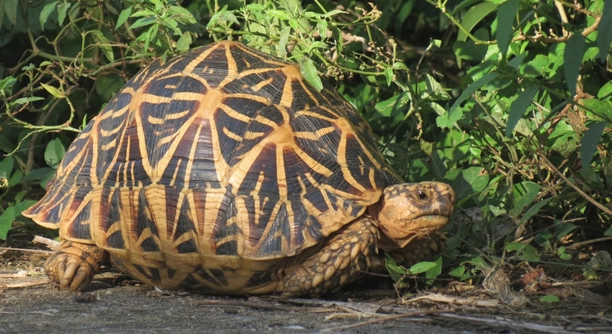
Turtles are fascinating creatures that spend a lot of time in the water. While they may seem calm, there are some aspects of their behavior that could surprise you. One of these is how they handle waste.
Turtles do, in fact, poop in the water. This behavior is natural for them, as their digestive system is designed to expel waste while submerged. The water environment helps them stay clean and aids in the breakdown of waste.
Understanding why turtles poop in the water will help you care for them more effectively and maintain their aquatic environment.
Why Turtles Poop in Water
Turtles have adapted to live in water, and pooping while submerged is just one part of their natural behavior. Their waste is typically soft, making it easier to release in the water. This is part of their daily routine and doesn’t cause harm to them or the environment. In the wild, turtles often live in aquatic habitats, where they can dispose of waste quickly, allowing them to avoid predators and keep their space clean. This behavior can also be influenced by their diet, which may consist of aquatic plants and small fish.
The waste released by turtles in water doesn’t stay there long, as the current often helps carry it away. However, in a controlled environment like an aquarium, it’s essential to regularly clean the tank to ensure water quality remains safe for the turtle.
Water quality is vital for the turtle’s health. Frequent tank maintenance, including water changes and proper filtration, is necessary to prevent waste buildup and maintain a clean environment. Clean water is essential for promoting the turtle’s overall health and well-being.
Keeping Your Tank Clean
Maintaining a clean environment is crucial for your turtle’s health. Regular cleaning ensures that harmful bacteria don’t build up in the water.
To prevent waste buildup, you should change the water frequently and make use of a reliable filtration system. Without proper filtration, waste particles can linger, leading to poor water quality, which could affect your turtle’s health. Filtration systems also help keep the tank clean by removing debris and keeping harmful bacteria under control. Additionally, removing any leftover food can help prevent the growth of algae and harmful organisms. By staying on top of regular tank maintenance, you can ensure that your turtle enjoys a healthy, comfortable home.
Impact of Poor Water Quality on Turtles
Poor water quality can harm your turtle’s health in several ways. It leads to bacterial infections and skin problems, weakening your pet over time. Regularly changing the water and ensuring good filtration helps minimize these risks. If you notice your turtle acting differently, poor water quality may be the cause.
When the water in your turtle’s tank is dirty, it’s not just the waste that can harm your turtle. It can also create an environment where bacteria and parasites thrive. These pathogens can cause respiratory infections, shell rot, and even internal illnesses. Keeping the water clean and changing it regularly helps prevent such issues. In addition, monitoring the tank’s temperature and pH levels ensures your turtle’s well-being. Poor water quality directly affects a turtle’s immune system and can make them more vulnerable to diseases.
Keeping your turtle in a clean environment requires consistency. This means testing the water regularly to ensure it’s within safe parameters. Regular water changes and proper tank cleaning routines are crucial in preventing illness. Filtration systems play a significant role in maintaining water clarity and reducing harmful bacteria. Without proper maintenance, your turtle is at risk of developing serious health issues that could affect its longevity.
The Role of Diet in Turtles’ Waste Production
The food you feed your turtle directly impacts the waste it produces. A balanced diet ensures that your turtle’s digestive system functions properly. Feeding your turtle too much or too little can lead to changes in the size and consistency of its waste.
Turtles primarily eat plants, insects, and small fish, which affects how their bodies digest and process food. High-fiber plants can lead to larger waste production, while excessive protein might cause more concentrated waste. Overfeeding your turtle can lead to obesity, which also affects its digestive system. Offering a variety of appropriate foods helps keep its diet balanced and its waste manageable. Ensuring your turtle gets enough exercise can also help its digestive system function better. Keeping portions controlled prevents unnecessary waste buildup in the tank.
Feeding your turtle the right amount of food can also reduce the amount of waste released in the water. A healthy diet supports digestion and promotes the turtle’s overall well-being. By avoiding overfeeding, you help prevent excessive waste from accumulating in the tank. Keep in mind that not all turtles eat the same, so it’s important to research your turtle’s specific dietary needs for optimal health.
Filtration Systems and Their Importance
Filtration systems are crucial for keeping your turtle’s tank clean. They remove waste, debris, and harmful bacteria, ensuring that your turtle lives in a healthy environment. A good filtration system helps maintain the balance of water and reduces the need for frequent water changes.
Choosing the right filtration system depends on the size of your tank and the type of turtle you have. Canister filters, internal filters, and external filters all serve different purposes. The right filter will remove solid waste and fine particles, ensuring that your turtle’s environment remains free from harmful buildup. Regular maintenance of the filtration system is also necessary for optimal performance.
Tank Size and Waste Management
The size of your turtle’s tank plays a significant role in waste management. A larger tank gives the water more space to filter waste, making it easier to maintain a healthy environment. Proper tank size allows better circulation and filtration of water, reducing the chances of waste buildup.
When selecting a tank for your turtle, ensure it provides enough room for your turtle to move around comfortably. A cramped tank makes it harder to keep the water clean. Larger tanks support better water flow, improving filtration efficiency. A bigger tank also helps distribute waste, preventing areas of stagnant water where bacteria can grow.
The Role of UVB Lighting
UVB lighting is essential for your turtle’s health. It helps them synthesize vitamin D3, which is crucial for calcium absorption. Without adequate UVB lighting, your turtle could develop bone deformities and other health problems.
UVB lighting should be placed at the correct distance from your turtle’s basking area to provide the proper amount of exposure. Ensure the light is positioned above the basking area and changed regularly to maintain effectiveness. UVB bulbs lose their potency over time, so they should be replaced every 6 to 12 months. Proper lighting helps your turtle maintain healthy bones and a strong immune system.
FAQ
Do turtles poop in the water all the time?
Yes, turtles typically poop in the water as part of their natural behavior. Since they live in aquatic environments, it’s easier for them to release waste while submerged. This keeps their environment clean and helps avoid predators. However, it’s important to regularly clean the tank to maintain water quality.
Is turtle waste harmful to the water?
Turtle waste can harm the water quality if it isn’t managed properly. Waste left in the tank can decompose and introduce harmful bacteria, affecting both the water quality and the health of the turtle. Regular water changes and proper filtration are necessary to prevent waste buildup.
How often should I clean my turtle’s tank?
The frequency of tank cleaning depends on the size of the tank and the number of turtles. As a general rule, you should change about 25% of the water every week and clean the entire tank once a month. This keeps the water fresh and removes waste buildup. If your turtle produces a lot of waste, you may need to clean the tank more often.
Can I use tap water for my turtle’s tank?
Tap water is safe for turtles as long as you treat it before use. Tap water often contains chlorine and chloramines, which can harm your turtle. Use a water conditioner to remove these chemicals before adding water to the tank. If you use untreated tap water, it can cause stress or health problems for your turtle.
What type of filtration system is best for my turtle’s tank?
The best filtration system for your turtle’s tank depends on the size of the tank and the type of turtle. Canister filters are generally the most efficient for larger tanks because they offer powerful filtration and can handle more waste. For smaller tanks, internal or hang-on-back filters work well. Make sure to choose a filter that can handle the size of your tank and clean it regularly to keep it functioning effectively.
How do I know if my turtle’s tank is clean enough?
A clean tank should have clear water with no visible waste floating around. You should be able to see the bottom of the tank clearly. If the water looks cloudy or has a strong odor, it means it needs cleaning. Also, if your turtle seems stressed or shows signs of illness, it could be a sign that the water quality is poor.
What should I feed my turtle to reduce waste production?
A balanced diet is key to reducing waste production. Feed your turtle a mix of plant matter, such as leafy greens, and animal protein, like insects or small fish. Avoid overfeeding, as too much food can lead to excess waste. Also, remove any uneaten food from the tank to prevent it from breaking down and affecting water quality.
Is it safe for turtles to eat fish in their tank?
Yes, turtles can eat fish, but you should ensure that the fish are healthy and free from parasites. Feeding your turtle fish can help provide the necessary protein in their diet. However, avoid using fish as their main food source, as too much protein can lead to health issues and increased waste production.
Can turtles get sick from their own waste?
Turtles are generally not affected by their own waste, but poor water quality from waste buildup can lead to infections and other health problems. If the water isn’t cleaned regularly, harmful bacteria and parasites can develop, causing illnesses in your turtle. Keep the tank clean to avoid these issues.
Why does my turtle’s waste float?
Turtle waste can float if it contains a lot of air or gases produced during digestion. This is often the case if your turtle is eating a lot of high-fiber foods. While floating waste isn’t usually harmful, it can make cleaning the tank more challenging. Regular tank maintenance is important to manage floating waste.
How can I tell if my turtle is constipated?
Signs of constipation in turtles include lethargy, lack of appetite, and difficulty passing waste. If your turtle hasn’t pooped in a few days, it may be constipated. To help, you can soak your turtle in warm water to stimulate bowel movement. If constipation persists, consult a vet.
Do turtles drink water?
Turtles do drink water, but they don’t need to do so as often as humans. Most of their hydration comes from the food they eat, especially if they consume aquatic plants. They may occasionally drink from their tank, but they mostly get their water intake through their diet.
Can I put a turtle in a pond outside?
Yes, many turtles can live in outdoor ponds if the conditions are suitable. However, make sure the pond is safe, clean, and free from predators. The water should be deep enough for the turtle to swim, and there should be a basking area. Outdoor ponds require regular cleaning and maintenance to keep the water quality high.
Should I use a heater in my turtle’s tank?
Heaters can be beneficial for maintaining a consistent water temperature, especially for tropical species. Most turtles need water that is between 75°F and 85°F, depending on the species. A heater can help maintain this temperature, but be sure to monitor it closely to avoid overheating the water.
Final Thoughts
Turtles are fascinating creatures, and understanding their natural behaviors, such as pooping in the water, is essential for providing proper care. While this may seem unusual, it is perfectly normal for turtles to eliminate waste in their aquatic environment. However, it does come with the responsibility of maintaining a clean and healthy tank. Regular water changes, proper filtration, and monitoring the water quality are key to ensuring that your turtle thrives in a safe environment.
While turtles naturally poop in the water, it is up to you as their caretaker to manage waste effectively. Setting up a good filtration system, cleaning the tank frequently, and avoiding overfeeding will all help reduce waste buildup. Filtration systems help to break down solid waste and maintain clean water, making sure the environment remains healthy. Using the correct water conditioners, ensuring appropriate tank size, and providing the right diet will contribute to your turtle’s overall well-being.
Keeping a clean environment for your turtle means staying consistent with maintenance. Although it may seem like a challenge at times, these small tasks are essential for the long-term health of your pet. A little attention to water quality, food intake, and tank cleanliness can make a big difference. By staying proactive, you’ll provide your turtle with a safe, comfortable, and enjoyable living space.

Hello,
If you enjoy the content that we create, please consider saying a "Thank You!" by leaving a tip.
Every little bit helps us continue crafting quality advice that supports the health, happiness, and well-being of pets around the world, for pets of all shapes, sizes, and species.
We really appreciate the kindness and support that you show us!