
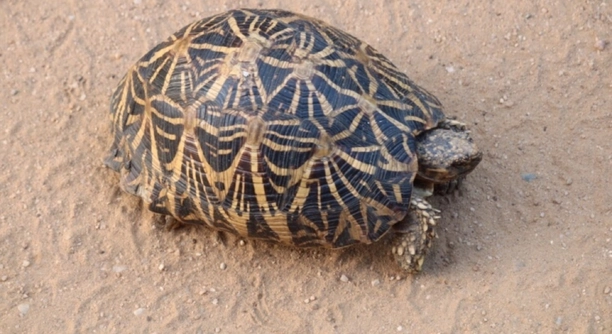
Turtles can live for many years, but providing them with the proper care can help ensure they live a longer and healthier life. Many factors affect their lifespan, and simple changes can make a difference.
The longevity of a turtle depends on various factors such as diet, habitat, and health management. By addressing these areas, you can significantly improve your turtle’s overall well-being and extend its lifespan with proper care and maintenance.
Implementing these strategies will support your turtle’s health and contribute to a longer, more fulfilling life.
Provide a Proper Habitat
Creating an appropriate environment is crucial for your turtle’s well-being. A spacious tank with clean water is essential, as turtles need enough space to swim and explore. The temperature of the water should be kept between 75°F and 85°F, and a basking area should be provided to allow your turtle to dry off. A UVB light is necessary for vitamin D production, which helps your turtle absorb calcium, preventing shell and bone issues. It’s also important to maintain clean water by changing it regularly and adding a filtration system to reduce harmful bacteria.
A well-maintained habitat not only improves your turtle’s comfort but also boosts its overall health. Regular tank cleaning and proper lighting can make a noticeable difference in its activity levels.
A healthy habitat prevents stress and supports natural behaviors, such as basking and swimming. A secure space for your turtle also ensures its physical and mental health, helping to extend its lifespan.
Feed a Balanced Diet
Feeding your turtle the right food is key to a long life. Turtles are omnivores and need a variety of food, including vegetables, fruits, and protein. Dark leafy greens like kale and collard greens should make up a large portion of their diet. Protein sources such as insects, fish, or specially formulated turtle pellets provide essential nutrients. Avoid feeding your turtle processed or sugary foods, as they can lead to health issues like obesity or shell deformities.
Feeding your turtle a diverse diet ensures it receives the necessary vitamins and minerals to stay healthy. A well-rounded diet supports your turtle’s immune system, shell strength, and overall energy levels.
Overfeeding can be just as harmful as underfeeding, so be mindful of portion sizes. A healthy balance is vital for your turtle’s well-being and longevity. Proper nutrition is a key factor in helping your turtle live a long, healthy life.
Keep Them Active
Turtles need plenty of physical activity to stay healthy. In the wild, they would roam large areas, so it’s important to provide a space where they can move freely. Consider adding rocks, logs, and other structures to your turtle’s habitat to encourage climbing and swimming.
A turtle that lacks physical activity can become overweight and develop health problems. It’s essential to give them the opportunity to exercise regularly, which helps prevent obesity and supports proper bone and muscle development. A variety of activities, such as swimming and exploring different surfaces, can also keep your turtle mentally stimulated.
Adding different objects or creating obstacles in their tank can spark their curiosity, encouraging them to stay active. These small changes help promote exercise, which is a key factor in maintaining a healthy, long life for your turtle.
Regular Vet Checkups
Taking your turtle to the vet for regular checkups ensures its health is properly monitored. Even though turtles are generally low-maintenance pets, they are still prone to diseases and infections that can affect their life expectancy. A vet can detect health issues early, allowing for quicker treatment.
Routine checkups are important for preventive care. Your vet will perform a full examination, checking your turtle’s shell, skin, eyes, and overall condition. Regular visits can also help address any dietary or behavioral concerns, ensuring your turtle’s health stays on track.
By keeping up with regular vet visits, you can prevent many potential health issues. An experienced vet will provide guidance on proper care, diet, and habitat, ensuring your turtle leads a long, healthy life.
Avoid Stress
Stress can negatively impact your turtle’s health and lifespan. Providing a calm environment is crucial, as loud noises, sudden changes, or overcrowding can cause anxiety. Stress weakens the immune system, making turtles more susceptible to illnesses.
A turtle that is constantly stressed may become lethargic and stop eating. It’s important to create a peaceful space with proper lighting, temperature control, and a consistent routine. By minimizing stress, you improve your turtle’s chances of living a longer, healthier life.
Turtles thrive in environments where they feel safe and comfortable. Pay attention to any signs of stress, such as hiding or excessive basking, and adjust their habitat accordingly.
Control Water Quality
Water quality is essential for a turtle’s health. Poor water quality can lead to skin infections, shell rot, and other health issues. Regular water changes and a good filtration system are necessary to maintain a clean and safe environment for your turtle.
Check water parameters, such as pH, ammonia, and nitrate levels, to ensure they remain within the proper range. A filtration system helps to remove harmful bacteria and waste, reducing the risk of infections. Clean water supports healthy skin and shell growth, which are essential for your turtle’s longevity.
By maintaining proper water quality, you create a healthier environment, which directly impacts your turtle’s well-being. Clean, safe water plays a key role in preventing diseases and promoting a longer life for your turtle.
Provide UVB Lighting
UVB lighting is vital for your turtle’s health. It helps them produce vitamin D3, which is necessary for calcium absorption. Without proper UVB light, your turtle may develop bone and shell problems due to calcium deficiency. Ensure your turtle receives 10-12 hours of UVB exposure daily.
UVB lighting is crucial for turtles that live in tanks without access to natural sunlight. Over time, the UVB bulb’s intensity diminishes, so be sure to replace it regularly. This simple step supports your turtle’s bone health and overall well-being.
FAQ
How often should I feed my turtle?
The frequency of feeding depends on your turtle’s age and size. Young turtles require more frequent meals, about once a day, while adults can be fed every other day. Make sure to provide a balanced diet, with vegetables, fruits, and protein sources, ensuring they receive adequate nutrition.
Can turtles live without a basking spot?
No, turtles need a basking area to regulate their body temperature. Without it, they may become weak, lethargic, and prone to illness. The basking spot should be positioned under a UVB light to allow the turtle to dry off and get the proper exposure to sunlight.
What is the best water temperature for my turtle?
The ideal water temperature for most turtles is between 75°F and 85°F. If the water is too cold, it can cause stress, reduce your turtle’s activity, and weaken its immune system. Ensure you use a reliable aquarium heater to maintain a consistent water temperature.
How long can my turtle live?
The lifespan of a turtle varies depending on the species. On average, most turtles can live between 20 and 40 years. With proper care, some species, like box turtles, can live to be over 50 years old. Your turtle’s life expectancy will depend on its environment and care.
Why does my turtle bask so much?
Basking is a natural behavior for turtles. It helps regulate their body temperature, dry off after swimming, and absorb UVB rays. If your turtle is basking excessively, it could indicate that the water temperature is too low or that they need more UVB light exposure.
How can I tell if my turtle is sick?
Signs of illness in turtles include lethargy, loss of appetite, abnormal swimming behavior, eye discharge, or shell discoloration. If you notice any of these symptoms, it’s essential to visit a veterinarian experienced with reptiles to diagnose and treat the issue early.
Do I need to clean my turtle’s shell?
Turtles do not need frequent shell cleaning, but it’s essential to keep their habitat clean to avoid any buildup of bacteria. If your turtle’s shell looks dirty or has algae, gently scrub it with a soft brush and clean water. Avoid harsh chemicals or rough scrubbing.
Can I keep multiple turtles together?
Yes, you can keep multiple turtles together, but it depends on the species and the space available. Make sure the tank is large enough to prevent territorial behavior and provide enough basking spots. Different species of turtles may not always get along, so it’s important to research their compatibility.
How can I prevent my turtle from getting parasites?
To prevent parasites, ensure your turtle’s water is clean and free from contaminants. Regularly change the water, use a filtration system, and clean the tank regularly. Quarantining any new turtles before introducing them to your existing pet can also help reduce the risk of infections and parasites.
Can I use tap water for my turtle’s tank?
Tap water is generally safe for turtles, but it contains chlorine and chloramine, which can be harmful to them. It’s advisable to treat tap water with a dechlorinator before adding it to the tank. Some turtles may also be sensitive to the minerals in hard tap water, so regular water testing is a good practice.
What should I do if my turtle stops eating?
If your turtle stops eating, it may be a sign of stress, illness, or poor water quality. Check the temperature and cleanliness of the water, and ensure the tank conditions are optimal. If the problem persists, consult a veterinarian to rule out any medical issues.
Why is my turtle’s shell soft?
A soft shell in a turtle is often a sign of calcium deficiency, usually due to inadequate UVB exposure or a poor diet. Make sure your turtle receives proper UVB lighting and eats calcium-rich foods like dark leafy greens. Consult a vet for further treatment if the condition continues.
Can my turtle live in a small tank?
While turtles can survive in a small tank for a short period, they need space to thrive. A cramped environment can lead to stress, poor water quality, and health problems. A larger tank, with proper filtration, heating, and basking spots, will keep your turtle healthy and active.
How do I know if my turtle is hibernating?
During colder months, some species of turtles may enter hibernation. Signs of hibernation include decreased activity, reduced appetite, and sleeping for extended periods. Ensure the water temperature is appropriate and monitor the turtle’s behavior closely. If you’re unsure, consult a veterinarian to confirm whether it’s hibernation or illness.
What is the best tank size for my turtle?
The recommended tank size depends on the size of your turtle. As a general rule, a tank should be at least 40 gallons for small turtles, with an additional 10 gallons per inch of the turtle’s shell length. Larger tanks provide better space for swimming and a more stable environment.
How can I make my turtle’s environment more enriching?
Provide your turtle with various objects to climb on, such as rocks, logs, or plants. These additions promote exercise and mental stimulation. You can also change the layout of the tank occasionally to keep your turtle’s environment interesting and engaging, mimicking natural behavior patterns.
Final Thoughts
Taking care of a turtle requires attention to detail and understanding of its needs. Providing a proper habitat with clean water, the right temperature, and adequate space is essential for its health. It’s important to invest in the right equipment, such as a quality filtration system, UVB lighting, and a reliable heat source. Keeping a consistent routine for feeding and cleaning will ensure your turtle thrives and lives a long, healthy life.
Regular health checks are also key to maintaining your turtle’s well-being. Be aware of any changes in behavior or appearance, such as changes in appetite or shell condition. Catching potential health issues early can prevent serious problems down the road. If you notice any signs of illness or discomfort, consult a veterinarian who specializes in reptiles for guidance. The right care and attention will help you provide a safe environment for your turtle.
Remember, every species of turtle has its own specific care requirements. Research the type of turtle you have to ensure its habitat is tailored to its needs. While turtles can be low-maintenance pets, they do require dedication and a thoughtful approach to their care. By being proactive and staying informed, you can give your turtle the best chance for a long, happy life.

Hello,
If you enjoy the content that we create, please consider saying a "Thank You!" by leaving a tip.
Every little bit helps us continue crafting quality advice that supports the health, happiness, and well-being of pets around the world, for pets of all shapes, sizes, and species.
We really appreciate the kindness and support that you show us!