
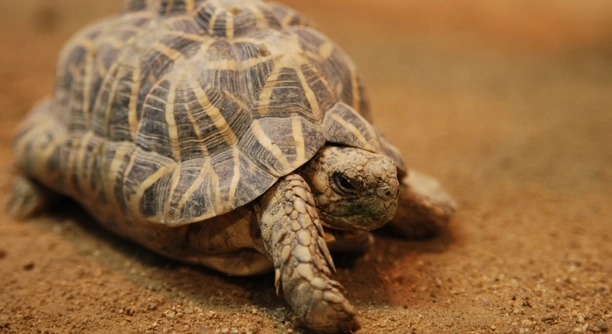
If you have a turtle, you might notice that it spends a lot of time sleeping. This behavior can leave you wondering if your pet is okay. Understanding why turtles sleep is important for their well-being.
Turtles are naturally more active during certain times of the day, and their sleep habits can vary. However, excessive sleeping could be a sign of underlying health issues, poor diet, environmental factors, or stress.
In the following sections, we will explore some common causes of your turtle’s sleepy behavior. This will help you determine how to support your pet’s health and ensure its comfort.
Lack of Proper Lighting
Turtles are cold-blooded animals, meaning they rely on external heat sources to regulate their body temperature. If their habitat doesn’t have enough light, it can lead to lethargy. They need both UVB lighting for calcium absorption and heat lamps to stay active. Without these elements, your turtle may sleep more than usual to conserve energy.
UVB lights should be replaced regularly, as they lose effectiveness over time. It’s also important to provide a warm basking spot where your turtle can soak up enough heat to regulate its body temperature. Without proper heat, they may feel sluggish and inactive, even spending most of the day sleeping.
Ensure the temperature in your turtle’s habitat stays within the recommended range. Check the wattage of your heat lamp and adjust as needed to create a proper basking area. Providing the right lighting and heat source will help your turtle stay active and healthy.
Poor Diet
A poor diet can leave your turtle feeling weak and tired. Without the proper nutrients, turtles may become lethargic and may even sleep more as a result of malnutrition. A balanced diet that includes leafy greens, fruits, and protein sources like insects or fish is crucial.
Turtles require a variety of foods to ensure they get the vitamins and minerals needed for energy. Over time, an imbalanced diet can affect their health, leading to low energy levels. If your turtle isn’t getting the right nutrients, its activity level will likely decrease.
It’s essential to feed your turtle a varied diet that meets its specific species’ needs. Too much processed food or too few vegetables can result in energy deficiency, making your turtle sleep longer than it should.
Stress or Environmental Changes
Turtles are sensitive to changes in their environment. Moving them to a new tank, rearranging their habitat, or even loud noises can stress them out. Stress can make them sleep more as a way to cope.
When turtles feel stressed, their behavior can change. They may become more withdrawn, spend more time hiding, and sleep excessively. This is their way of trying to escape from the stressors around them. If you’ve recently changed their environment, it’s important to give them time to adjust.
Provide a calm, quiet space for your turtle to relax and feel safe. Keep their habitat consistent and free from sudden disturbances. By creating a stable environment, you’ll help reduce their stress and improve their overall health.
Illness or Injury
If your turtle is suddenly sleeping more than usual, it may be a sign of illness or injury. Like any animal, turtles can become lethargic when they’re not feeling well. Common health issues, such as respiratory infections or shell injuries, can cause them to rest more.
If your turtle is not eating or swimming as much and is sleeping more, it could be a sign of a health problem. Changes in their normal behavior should always be taken seriously. Keep an eye on other symptoms, like a swollen shell or labored breathing.
If you notice any concerning signs, it’s a good idea to consult with a veterinarian. Early intervention can prevent more serious issues and help your turtle recover faster.
Improper Temperature
If the water temperature or basking area is too cold, your turtle may sleep more to conserve energy. Turtles rely on external heat sources, so incorrect temperatures can slow down their metabolism. This leads to longer periods of inactivity and excessive sleep.
Check the water temperature regularly, ensuring it stays within the recommended range for your turtle species. Use a thermometer to measure both the basking area and water temperature. If necessary, adjust the heating equipment to keep your turtle’s habitat at the ideal temperature to maintain its health and activity levels.
Seasonal Changes
As ectothermic animals, turtles are naturally affected by changes in seasons. In cooler months, they may sleep more to conserve energy, a behavior known as brumation. During this time, they significantly reduce their activity levels.
Brumation is similar to hibernation but not quite the same. Some turtles may not be as active during colder weather, while others may sleep much more. If you live in an area with cold seasons, be aware that this is a natural behavior for many species of turtles.
FAQ
Why does my turtle sleep so much?
Turtles sleep a lot due to their natural behavior and biological needs. As reptiles, they are cold-blooded, meaning they rely on external heat sources to regulate their body temperature. When their habitat is too cold, or if they aren’t getting enough light, they may sleep more to conserve energy. They might also sleep more if they are stressed, sick, or dealing with environmental changes. It’s important to monitor their surroundings, diet, and overall health to ensure they are comfortable.
How much sleep does a turtle need?
On average, turtles can sleep between 12 to 16 hours a day, depending on factors like species, environment, and health. Turtles that are not in active brumation may sleep less but still need a solid amount of rest. Their sleep patterns may shift based on the time of day, temperature, and even the season. Be sure your turtle’s needs are met with proper lighting, temperature, and diet to avoid excessive sleep caused by poor care.
Can turtles sleep too much?
Yes, if a turtle is sleeping excessively, it could be a sign of an underlying problem. Factors like illness, stress, poor diet, or improper tank conditions (such as incorrect temperature or lighting) can lead to prolonged sleeping. If your turtle is not eating, swimming, or showing normal behavior while sleeping too much, it’s time to check its habitat and health.
Should I wake up my turtle if it’s sleeping?
It’s generally best to let your turtle sleep undisturbed unless there is a clear sign that something is wrong. Turtles need rest to maintain their health, but if they are inactive for extended periods or exhibit unusual sleeping patterns, a quick check-up might be necessary. Waking them for brief periods may disrupt their natural rhythms, but if you’re concerned, it’s always a good idea to consult a vet.
How do I know if my turtle is hibernating or just sleeping a lot?
Turtles often sleep a lot in colder months as part of a natural behavior called brumation. Unlike hibernation, brumation is less intense and doesn’t require complete inactivity. If your turtle is still eating and drinking but sleeping more, it’s likely brumating. However, if your turtle is not eating, drinking, or moving at all, it might be a sign of something more serious, and a veterinarian should be consulted to rule out any health issues.
What can I do if my turtle is sleeping too much?
First, check the conditions in your turtle’s tank. Ensure the lighting, temperature, and humidity are appropriate for your species. If your turtle’s environment is fine, consider other factors like diet, stress, or health. Make sure your turtle is eating well, and monitor for any signs of illness, such as changes in behavior or appearance. If you’re still concerned, it’s always best to consult a vet.
How can I keep my turtle active?
To keep your turtle active, provide a warm, well-lit habitat that encourages movement. Ensure it has access to both a basking area with proper heat and UVB lighting. Regularly change the water, and offer a varied diet to maintain energy levels. Consider enriching its environment with safe hiding spots and things to climb on. Avoid handling your turtle too often, as this could stress it and make it more lethargic.
Why is my turtle sleeping more in the winter?
Winter often triggers a natural drop in temperature, which can cause turtles to sleep more or become less active. Many turtles will enter a period of brumation, where their activity levels drop significantly as they conserve energy. This behavior is typical for many species of turtles during colder months. Be sure to keep their habitat warm enough to prevent them from becoming too sluggish or unhealthy.
Can stress cause my turtle to sleep more?
Yes, stress can cause your turtle to sleep excessively. Stress can arise from environmental changes, such as moving its tank, loud noises, or even changes in water conditions. Stress can also come from improper care, including insufficient light or food. A stressed turtle may sleep more as a way to cope with the situation. Keeping their environment stable and quiet can help reduce stress and keep your turtle more active.
When should I take my turtle to the vet for excessive sleep?
If your turtle’s excessive sleeping is accompanied by other unusual behaviors such as loss of appetite, weight loss, or difficulty breathing, it’s time to see a vet. Illnesses like respiratory infections, shell injuries, or parasites can cause lethargy. A vet can provide a proper diagnosis and treatment plan to ensure your turtle stays healthy.
How can I tell if my turtle is sick?
Signs that your turtle may be sick include excessive sleeping, lack of appetite, difficulty swimming, or abnormal behavior. If you notice discharge from the eyes or nose, or if your turtle is having trouble breathing, these are serious signs that need immediate attention. Changes in shell color or texture, swelling, or sores are also warning signs. If any of these occur, consult a vet promptly.
Final Thoughts
Turtles are fascinating creatures, and their sleeping habits are a natural part of their behavior. While it’s normal for them to sleep for long periods, especially during colder months or when they’re feeling comfortable in their habitat, it’s important to monitor how much sleep they’re getting. Excessive sleeping can sometimes signal a problem, whether it’s due to improper tank conditions, stress, poor diet, or illness. Paying attention to these signs and making adjustments to their environment or routine can help ensure they are healthy and thriving.
One of the most important things you can do for your turtle is to create a stable and comfortable environment. This includes maintaining the proper lighting, temperature, and humidity levels. Turtles need access to both UVB light and heat to stay active and healthy. Their tank should also be free from stressors, like loud noises or constant changes. If you notice any unusual behaviors, it’s essential to investigate the cause, as it may be related to their environment or health. Taking proactive steps will keep your turtle’s activity levels where they should be.
Lastly, always monitor your turtle’s diet and overall health. A balanced diet rich in vegetables, protein, and occasional fruits is key to maintaining energy levels. If your turtle continues to sleep excessively despite having the right conditions, it could be an indication of an underlying health issue. Regular vet checkups are also beneficial to catch potential problems early on. By providing proper care and attention, you can help your turtle stay active, healthy, and content.

Hello,
If you enjoy the content that we create, please consider saying a "Thank You!" by leaving a tip.
Every little bit helps us continue crafting quality advice that supports the health, happiness, and well-being of pets around the world, for pets of all shapes, sizes, and species.
We really appreciate the kindness and support that you show us!