
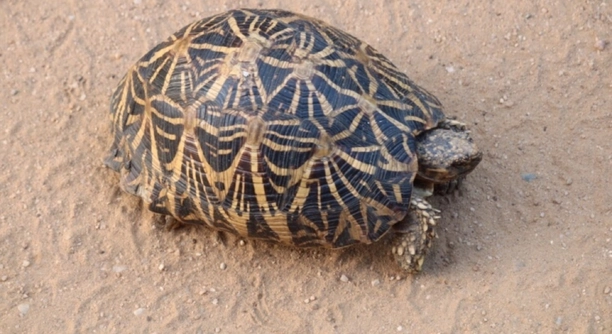
Turtles are curious creatures that enjoy a variety of activities. Keeping them entertained is important for their well-being and happiness. If you’ve been wondering how to provide some fun for your shelled friend, you’ve come to the right place.
Turtles need physical and mental stimulation to stay happy and healthy. Enriching their environment with toys, activities, and safe exploration can keep them active. Providing different textures, hiding places, and opportunities for interaction can also engage their natural instincts.
There are many ways to entertain your turtle that go beyond simply feeding them. These activities will give your turtle a chance to stay active, engaged, and healthy, making both of you happier in the long run.
1. Set Up a Fun and Safe Habitat
A well-designed habitat plays a huge role in keeping your turtle entertained. Ensure their enclosure has space for swimming, basking, and exploring. Adding rocks, logs, or plants gives your turtle a variety of textures to explore. Make sure the water is clean and the temperature is ideal for them.
An aquarium or tank with both water and land features will keep your turtle active and happy. It allows them to engage in natural behaviors like basking in the sun or swimming.
Decorate the habitat with objects your turtle can climb, hide under, or swim around. This makes it feel more like their natural environment. Including different areas for rest and activity will keep them busy and mentally stimulated.
2. Offer Tasty Treats to Spark Interest
Offering different treats can motivate your turtle to engage with its environment. Safe veggies like lettuce, carrots, or cucumbers will catch their attention.
A variety of treats can also be a fun way to engage your turtle. Sometimes, adding a bit of variety to their diet keeps them excited. You can try giving them fruit like strawberries or grapes in moderation as well. Just make sure the treats are turtle-friendly and not too rich in sugars.
Some turtles are highly food-driven, and using treats in different ways can add enrichment to their day. You could hide them in their habitat for a little treasure hunt or hand-feed them to encourage interaction. Keep things interesting by rotating treats regularly to maintain their attention.
3. Provide Floating Objects for Exploration
Floating objects like small rafts or soft toys can make swimming more fun for your turtle. These items can give your turtle a place to climb onto after swimming.
Adding floating objects in their water area gives your turtle something new to explore. They can climb onto them, rest, or use them as an obstacle to swim around. This encourages both movement and mental engagement. Make sure the objects are safe and won’t tip over easily. It’s also a good idea to rotate them so your turtle doesn’t get bored of the same ones.
Floating objects are not just for fun—they help mimic natural environments where turtles can find places to rest and sunbathe. This setup improves your turtle’s overall well-being by giving them variety in how they interact with their surroundings.
4. Let Your Turtle Roam Outside the Tank
Taking your turtle outside of its tank for short, supervised sessions can provide mental stimulation and fresh air.
A secure, enclosed area is important when allowing your turtle to roam. Whether it’s a small indoor space or a safe outdoor garden, it’s essential that there are no escape routes or predators nearby. You can also add plants or rocks for your turtle to interact with.
Supervised outdoor time encourages natural behaviors such as foraging and exploring. Your turtle can enjoy a variety of textures, from grass to soil, and get exercise in a safe environment. This change of scenery will keep them active and provide important sunlight for vitamin D production. Just be sure to keep an eye on your turtle during these outings to make sure they’re safe and happy.
5. Create a Digging Area
Turtles love to dig. Providing a digging area can keep them busy and happy. A shallow box filled with sand or soil can offer hours of entertainment.
Create a safe digging spot in their enclosure, with sand or soil that’s safe for your turtle to interact with. You can hide treats or small objects in the digging area to encourage exploration. This activity mimics natural behavior and helps keep your turtle active.
A digging area is a simple yet effective way to provide enrichment for your turtle. It stimulates their senses and gives them something engaging to do.
6. Introduce Safe, Interactive Toys
Interactive toys designed for reptiles can help keep your turtle entertained. Toys that float or move around are ideal for stimulating curiosity.
Turtles are naturally curious, and interactive toys encourage them to explore and engage with their surroundings. You can find toys specifically made for aquatic turtles, like floating balls or things that they can push around. These types of toys promote both physical and mental activity. They allow your turtle to interact in different ways, keeping them engaged.
Adding a few safe, interactive toys to their habitat will keep things fresh and exciting for your turtle. It’s a great way to ensure they stay both mentally and physically stimulated.
FAQ
What are the best toys for turtles?
The best toys for turtles are those that encourage natural behaviors like climbing, swimming, and exploring. Floating objects, small rafts, and interactive toys like balls or rings are great choices. They can help keep your turtle active and engaged. Avoid small, choking hazards or toys made from harmful materials. Look for items designed for reptiles to ensure they are safe.
How can I tell if my turtle is bored?
A bored turtle may become less active, spending most of the time hiding or swimming aimlessly. They may also show signs of stress, such as pacing or excessively basking. If your turtle is not interacting with their environment, it’s time to introduce new toys or change things up in their habitat.
Can I let my turtle roam outside?
Yes, but only under supervision and in a secure area. If you’re allowing your turtle to roam outside, make sure the environment is free from predators or potential hazards. The area should be enclosed so your turtle can’t escape, and the temperature should be appropriate for them. Always supervise to prevent accidents.
How often should I change the items in my turtle’s habitat?
Changing the items in your turtle’s habitat every few weeks will help keep things interesting. Rotate toys, rocks, and plants to provide variety. Frequent changes keep your turtle mentally stimulated and help prevent boredom. However, be sure to keep their primary necessities like water filters and basking areas in place.
Can turtles play with other animals?
Turtles are solitary creatures by nature, and introducing them to other animals can be risky. Turtles can get stressed by the presence of other animals, especially if they feel threatened. If you want to let your turtle interact with another pet, do so under supervision and in a controlled, safe environment.
How do I make sure my turtle stays healthy while entertained?
While providing entertainment, always ensure your turtle’s basic needs are met first. A balanced diet, clean water, appropriate temperature, and enough space for swimming and basking are essential for their health. Make sure any new activities or toys don’t interfere with these fundamental needs.
Are there any foods that can help keep my turtle entertained?
Yes, food can be a fun way to keep your turtle engaged. You can hide their food in their habitat, making them forage for it. This mimics natural behaviors and gives your turtle something to do. Offer a variety of safe vegetables, fruits, and occasional protein to keep their diet interesting.
How can I make my turtle’s habitat more engaging?
To make your turtle’s habitat more engaging, add different textures and hiding spots. Use rocks, logs, and plants to give your turtle plenty of areas to explore. Floating toys, digging areas, and natural items like leaves or branches can also make their environment more stimulating. Make sure the habitat is safe and spacious.
Should I use lights or heating for my turtle’s habitat?
Yes, turtles need UVB lighting to help them produce vitamin D3, which is essential for calcium absorption and overall health. A basking light is also necessary to create a warm spot where they can rest. Make sure to provide both heat and light in a safe, controlled manner to mimic their natural environment.
How can I entertain my turtle during the winter?
During winter, when your turtle may spend more time indoors, focus on activities that don’t rely on outdoor exploration. Set up a safe digging area, use new toys, or hide food to encourage foraging. You can also introduce more variety in their diet to keep things interesting.
Can I train my turtle to do tricks?
Turtles are not as trainable as dogs or other animals, but they can learn to associate certain actions with rewards, such as coming to you for food. Patience and consistency are key. Use small food rewards to encourage positive behavior, but keep expectations realistic since turtles are not naturally social or obedient animals.
What should I do if my turtle is not interested in its habitat?
If your turtle shows no interest in their habitat, consider changing things around. Add new decorations, toys, or create new hiding spots to pique their curiosity. Sometimes, turtles need more space or new enrichment to stay engaged. Check their environment for stress factors like temperature imbalances or dirty water.
Final Thoughts
Keeping your turtle entertained is essential for its well-being. Turtles are curious creatures, and providing them with a variety of activities helps stimulate both their minds and bodies. Simple changes to their habitat, such as adding new objects to explore or rearranging their tank, can make a big difference in their behavior. It’s important to ensure that their environment is safe and that any new enrichment activities don’t interfere with their basic needs, like access to clean water, proper lighting, and a basking area.
When it comes to entertainment, variety is key. Just like people, turtles get bored of the same routine. By offering different textures, toys, and activities regularly, you can keep your turtle active and engaged. It’s also beneficial to provide opportunities for natural behaviors like swimming, basking, foraging, and even digging. You can use food, toys, or even small challenges to mimic these activities in a safe way. Whether it’s hiding treats in their habitat or introducing floating toys, these small changes can keep your turtle’s life interesting and fulfilling.
Remember that turtles are not as social as other pets, and they don’t require constant interaction. However, they do need enough stimulation to stay happy and healthy. By incorporating different activities and adjusting their environment, you can help prevent boredom and ensure your turtle leads a rich, active life. Always monitor your turtle’s reactions and make sure that any new items or activities are safe. With a little creativity and attention, you can provide your turtle with an enjoyable and fulfilling life.

Hello,
If you enjoy the content that we create, please consider saying a "Thank You!" by leaving a tip.
Every little bit helps us continue crafting quality advice that supports the health, happiness, and well-being of pets around the world, for pets of all shapes, sizes, and species.
We really appreciate the kindness and support that you show us!