
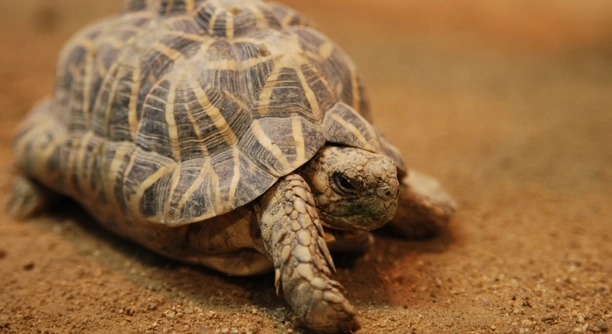
Maintaining a healthy turtle tank involves providing the right environment. One key aspect is selecting plants that offer both aesthetic appeal and practical benefits, such as water filtration and hiding spaces for your turtles.
The best plants for a turtle tank are those that can thrive in aquatic environments and withstand occasional nibbling. Some of the top choices include Java fern, anubias, water lettuce, and duckweed, each offering unique benefits for your tank.
Selecting the right plants will enhance your turtle’s habitat, offering both beauty and function to the tank.
Java Fern: A Durable Plant for Your Turtle Tank
Java fern is a favorite for many turtle keepers due to its hardiness. This plant thrives in low light, making it perfect for tanks with less natural sunlight. Its tough leaves can withstand occasional nibbling, and it doesn’t require a substrate to grow, meaning it can be attached to rocks or driftwood. Java fern helps with water filtration, promoting a healthier tank environment.
It can grow both in and out of the water, making it a versatile addition.
This plant’s simplicity and durability make it a top choice for turtle tanks. It grows slowly, so it won’t need constant trimming, and it creates a natural, lush look in your turtle’s environment. Java fern can be easily maintained with minimal effort, making it a reliable choice for tank owners who want a low-maintenance option. It also contributes to water quality by absorbing excess nutrients, helping to prevent algae build-up.
Anubias: A Sturdy, Low-Maintenance Option
Anubias is another excellent choice for turtle tanks. It’s resilient and thrives in low light.
This plant is ideal for beginners. Anubias is slow-growing and can be attached to rocks or wood in the tank. It requires minimal care and offers a clean, green aesthetic to the setup. With its durable leaves, it tolerates turtles’ occasional grazing without much issue. Anubias can also aid in improving water quality, contributing to a healthier environment for your turtles.
Water Lettuce: Floating Plant with Practical Benefits
Water lettuce is a floating plant that can help maintain clean water by absorbing excess nutrients. It provides shade for turtles and keeps the tank cool, preventing algae from thriving. Its delicate, lacy leaves make it visually appealing while offering functional benefits.
This plant’s roots hang beneath the surface, providing a hiding space for turtles. Water lettuce is easy to care for and requires minimal maintenance. It grows rapidly, so you’ll need to trim it periodically to prevent it from overtaking the tank. While the plant may be eaten by turtles, it still offers water filtration benefits. Its ability to absorb nutrients helps maintain a healthy aquatic environment. If you want a low-maintenance plant that serves both aesthetic and practical purposes, water lettuce is an excellent choice.
Duckweed: A Tiny, Effective Water Filter
Duckweed is a small, floating plant that works wonders in a turtle tank. Its rapid growth helps keep water clean by absorbing excess nutrients.
Duckweed is also a favorite of many turtles due to its size, making it easy for them to consume. Despite its tiny size, this plant is highly effective at improving water quality by preventing algae overgrowth. Duckweed doesn’t require much light and thrives in warm water, making it a great addition to any turtle tank. Just be aware that it can grow quickly and may require regular thinning to prevent it from overcrowding the tank.
Hornwort: A Fast-Growing, Low-Maintenance Option
Hornwort is another great plant for turtle tanks. It grows quickly and doesn’t require substrate, making it easy to care for. This plant can float freely or be anchored to the tank, providing versatility in placement. It helps absorb excess nutrients and provides shelter for your turtles.
Hornwort is known for its ability to improve water quality by absorbing nitrates and reducing algae. It grows rapidly and requires minimal care, making it ideal for busy turtle owners. Its thin, feathery leaves also provide a natural hiding spot for your turtles, allowing them to feel secure in their environment.
Water Sprite: A Natural Water Purifier
Water sprite is a resilient plant that thrives in warm water, making it a perfect fit for turtle tanks. It can grow as a floating plant or be rooted in the substrate.
Water sprite grows quickly, helping to keep the water clean by absorbing excess nutrients. It also provides shelter for turtles, creating a more natural, secure environment. Its broad, lush leaves offer shade and hiding spots, promoting a healthy tank ecosystem. Regular trimming may be needed to control its growth, but this plant’s benefits far outweigh the effort it requires.
FAQ
What are the best plants for a turtle tank?
The best plants for a turtle tank are those that can handle both the aquatic environment and occasional nibbling. Java fern, anubias, water lettuce, duckweed, hornwort, and water sprite are great options. These plants are hardy and offer benefits such as water filtration, shade, and hiding spaces. They thrive in low light and don’t require excessive maintenance, making them perfect for turtle keepers looking for low-effort yet effective plant choices. Many of these plants can grow quickly and help keep the water quality in check, preventing algae growth.
Can turtles eat plants in the tank?
Yes, turtles can eat the plants in their tank. Many turtles enjoy nibbling on various plants, but some plants are more resistant to grazing than others. Plants like Java fern and anubias have tougher leaves that can withstand occasional nibbling, while softer plants like water lettuce or duckweed may be eaten more quickly. It’s important to provide a variety of plants so your turtles can enjoy them, but also make sure that the plants you choose can tolerate being eaten. Some plants, like hornwort, can grow quickly enough to replace the ones that turtles nibble on.
How do I maintain plants in a turtle tank?
Maintaining plants in a turtle tank requires minimal effort, but there are a few things to keep in mind. Make sure the plants are receiving enough light, but avoid excessive exposure to prevent algae growth. Regular trimming is essential, as fast-growing plants like water sprite and hornwort can quickly overtake the tank. You should also remove any dead or decaying leaves to prevent water quality issues. Keep an eye on the growth rate of your plants and thin them out as needed to maintain a balanced environment. Ensure that the plants have enough nutrients, either through natural waste from the turtles or by using aquatic plant fertilizers.
Do plants help with water quality in a turtle tank?
Yes, plants play a significant role in improving water quality in a turtle tank. Many plants, such as hornwort and water lettuce, absorb excess nutrients like nitrates and phosphates that can cause algae growth. By absorbing these nutrients, plants help keep the water cleaner and more balanced. Additionally, plants provide oxygen to the water and offer shelter for your turtles, creating a healthier tank environment. With proper plant care, you can reduce the need for frequent water changes and maintain a healthier tank for both your turtles and plants.
Can I use regular aquarium plants for a turtle tank?
Not all aquarium plants are suitable for turtle tanks. Turtles may graze on delicate plants, so it’s best to avoid plants with soft leaves that can be easily eaten or destroyed. Some aquarium plants may also require more maintenance than others, or they may not tolerate the warm temperatures often required for turtles. However, there are many hardy plants, like Java fern and anubias, that do well in a turtle tank. When choosing plants, look for those that are adaptable to the aquatic conditions in your turtle tank and can withstand occasional nibbling.
How much light do plants need in a turtle tank?
Most aquatic plants in a turtle tank require moderate light. Too much light can lead to excessive algae growth, while too little light can hinder plant growth. It’s important to find a balance that provides enough light for plants to thrive but doesn’t promote algae. Generally, aim for around 8-10 hours of light a day, using a standard aquarium light. If your plants are not growing well, you may need to adjust the light intensity or duration. Be mindful of how much sunlight the tank receives, as natural light can also contribute to algae growth.
How do I prevent algae growth in a turtle tank?
To prevent algae growth in a turtle tank, make sure your plants are absorbing excess nutrients that feed algae. Choosing the right plants, like water lettuce and hornwort, will help by taking up nutrients like nitrates and phosphates. Keep the tank clean by removing any uneaten food and waste, and consider using a good filtration system to keep the water clear. Also, avoid leaving the tank under direct sunlight for long periods, as it can encourage algae to grow. Regularly trimming plants and removing dead leaves will also help prevent excess organic matter in the tank, which can lead to algae.
Can I use live plants in a turtle tank if my turtle is aggressive?
If your turtle is aggressive or tends to destroy plants, consider choosing plants that are more resilient to damage. Tough, slow-growing plants like Java fern, anubias, and hornwort are ideal because they can withstand a bit of nibbling. You can also try planting the plants in areas where your turtle doesn’t spend as much time, or use a floating plant like water lettuce to give it a chance to grow without being immediately eaten. If your turtle is particularly aggressive, using hardier plants and offering a variety of textures may help preserve the plants for a longer time.
What is the best substrate for planting in a turtle tank?
For plants that require a substrate, use an aquarium-safe gravel or sand that’s not too fine. Coarse sand or small gravel works well for rooted plants like anubias and water sprite. It allows for good water circulation while providing a stable base for plants to grow. Avoid fine sand or substrate that can compact, as it can block water flow and make it difficult for plant roots to take hold. It’s also a good idea to supplement the substrate with root tabs or aquatic plant fertilizer if needed, especially for plants that rely on the substrate for nutrients.
Are there any plants to avoid in a turtle tank?
Avoid delicate, soft-leafed plants that can be easily destroyed by your turtle’s nibbling. Plants like water lily, red tiger lotus, and some types of moss are not ideal for turtle tanks due to their fragility. While these plants may thrive in a regular aquarium, turtles tend to destroy them quickly. It’s best to stick to plants with tougher leaves, like Java fern and anubias, which can withstand occasional grazing. Additionally, avoid plants that are toxic to turtles, like certain species of pothos or ivy, as they can harm your pets if ingested.
Final Thoughts
Choosing the right plants for your turtle tank is essential for creating a healthy, balanced environment. Plants not only help with water quality by absorbing excess nutrients but also provide shelter and natural hiding spots for your turtles. Incorporating the right plants, such as Java fern, hornwort, or anubias, can improve the overall health of your tank while reducing the need for constant water changes. When selecting plants, it’s important to choose hardy varieties that can withstand occasional nibbling from your turtles.
It’s also crucial to maintain proper lighting and care for the plants you choose. Too much light can lead to algae growth, while too little can hinder plant growth. Regular trimming and removing dead plant matter are key tasks to keep the tank clean and healthy. With minimal maintenance, your plants will thrive and provide a more natural habitat for your turtles. Keep in mind that plant growth varies depending on the type, and some may require more attention than others.
While plants offer many benefits, it’s important to consider the behavior of your turtles when selecting them. If your turtle is particularly aggressive or enjoys nibbling on plants, opt for hardier species that can withstand this behavior. The right combination of plants and proper care will help maintain a clean, healthy, and comfortable environment for your turtles to enjoy. With a little effort, your turtle tank can thrive, benefiting both your plants and your turtles in the long run.

Hello,
If you enjoy the content that we create, please consider saying a "Thank You!" by leaving a tip.
Every little bit helps us continue crafting quality advice that supports the health, happiness, and well-being of pets around the world, for pets of all shapes, sizes, and species.
We really appreciate the kindness and support that you show us!