
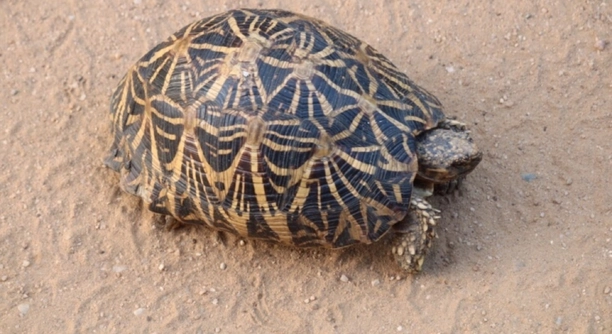
Turtles are fascinating pets, but when their shells become soft, it’s important to figure out why. Understanding the cause of this issue is crucial to help your turtle stay healthy and comfortable.
A soft shell in turtles is often caused by poor diet, lack of proper UVB lighting, or inadequate calcium intake. These factors weaken the shell, making it less durable and more susceptible to deformities.
Addressing this issue involves correcting diet, improving their environment, and ensuring proper care. You’ll want to take action to help your turtle regain a healthy, strong shell.
Common Causes of Soft Turtle Shells
A turtle’s shell is vital for protection, and when it becomes soft, it indicates that something’s wrong. The most common reasons are poor diet, inadequate UVB lighting, and a lack of calcium. Turtles need calcium to keep their shells strong, and without it, they can become weak. UVB lighting helps turtles synthesize vitamin D3, which is essential for calcium absorption. A diet that doesn’t provide the right nutrients, including leafy greens and calcium-rich foods, can also lead to shell problems.
If your turtle isn’t getting enough UVB light or calcium, you’ll notice their shell becoming soft over time. These factors play a major role in shell health.
Providing the proper lighting, diet, and supplements will help prevent these issues. Adding calcium to their food and offering the right light setup is essential for their long-term well-being.
How to Fix a Soft Turtle Shell
If your turtle’s shell has already become soft, it’s not too late to make improvements. Begin by adjusting their diet to include more calcium-rich foods like dark leafy greens and calcium supplements. Calcium powder can be sprinkled on their food, ensuring they get the proper nutrients. Along with calcium, make sure they’re getting the right vitamins and minerals.
Providing a proper UVB light source is also key to improving your turtle’s shell condition. The light should be placed within an appropriate distance from their basking area, as it helps them absorb calcium properly. Turtles need UVB light for about 10-12 hours a day. Without it, their bodies cannot process calcium as needed, and their shells will continue to soften.
Make sure your turtle’s tank has the right setup with proper heat, light, and dietary changes to support shell health. With time and care, their shell will start to regain its strength. Regular monitoring and adjusting your care routine will make a big difference in their recovery.
Proper Lighting for Healthy Shells
UVB lighting is essential for turtles. Without it, they cannot properly absorb calcium, which leads to a soft shell. The light should be placed 6-12 inches away from the basking area, depending on the bulb’s strength. It’s important to replace UVB bulbs every 6-12 months, as their effectiveness decreases over time.
Your turtle needs exposure to UVB light for about 10-12 hours each day. This helps them synthesize vitamin D3, which aids in calcium absorption. Without this essential light, their shell will weaken, and their overall health can deteriorate. A proper setup with both UVB and heat sources is crucial for your turtle’s well-being.
Keep an eye on your turtle’s behavior to ensure the light is properly positioned. If they seem to avoid basking or appear lethargic, their lighting may not be optimal. Adjust the distance, or consider upgrading the bulb for better performance. Proper lighting plays a huge role in supporting your turtle’s health.
Calcium Supplementation for Stronger Shells
Calcium is a crucial component of your turtle’s diet. Without it, their shell will lack the strength it needs. To boost calcium levels, consider adding calcium supplements to their food. Calcium powder or cuttlebone is an easy way to ensure your turtle is getting enough.
Turtles that don’t have enough calcium may develop soft shells, and their bones may become fragile. Calcium supplements are especially important for aquatic turtles, as they may not get enough from their diet alone. Incorporating a balanced diet rich in calcium helps maintain shell integrity and overall health.
Offer calcium in a form that’s easy for your turtle to consume. Place cuttlebone in the tank or sprinkle calcium powder on their food. If your turtle refuses, try different methods until you find one that works. Consistent supplementation will make a noticeable difference.
The Right Temperature for Your Turtle
Temperature plays a significant role in your turtle’s health. Their environment should be kept at a specific range to ensure they thrive. For most species, the water temperature should be between 75-80°F, while the basking area should be around 85-90°F. Keeping the tank at the right temperature helps your turtle digest food and maintain proper metabolic function.
If the temperature is too low, your turtle’s activity level will decrease, and they may not bask properly. Too high, and it can cause stress or dehydration. A thermostat or a temperature gauge can help maintain the proper levels.
Check your turtle’s behavior to see if they’re too cold or warm. Adjust the heating elements and water temperature as needed. A consistent temperature helps promote a healthy shell and general well-being.
The Importance of Proper Diet
Feeding your turtle the right foods is critical for shell health. A diet rich in leafy greens, vegetables, and appropriate protein sources can ensure they get the nutrients needed for strong bones and a firm shell. Turtles need a balanced diet for proper shell development.
Avoid feeding too many processed or high-fat foods. Stick to natural, fresh ingredients to prevent imbalances in their diet. Offering variety in their meals helps ensure they get all the vitamins and minerals they need. A healthy, well-rounded diet promotes a strong, durable shell over time.
Regular Tank Maintenance
A clean environment is essential for your turtle’s health. Regularly clean their tank to remove waste, uneaten food, and algae buildup. This will prevent bacteria growth and keep your turtle’s living space hygienic. A clean tank supports overall well-being and shell health.
FAQ
Why is my turtle’s shell soft?
A soft shell is often a sign of nutritional deficiencies, particularly a lack of calcium or improper UVB lighting. Without sufficient calcium, the shell can lose its strength and become weak. UVB light helps turtles synthesize vitamin D3, which is essential for calcium absorption. If your turtle isn’t getting enough of either, their shell will soften. A poor diet or incorrect lighting setup are usually the main causes of this issue.
How do I provide enough calcium for my turtle?
The best way to provide calcium is by offering calcium-rich foods like dark leafy greens (e.g., collard greens, dandelion leaves) and calcium supplements. You can sprinkle calcium powder on their food or place a cuttlebone in their tank for them to gnaw on. Be sure to include these foods regularly, as a balanced diet is crucial for shell health. Keep track of their diet to ensure they’re getting enough of the nutrients they need.
What type of UVB lighting should I use for my turtle?
Turtles require UVB light to process calcium properly. You should use a UVB bulb designed specifically for reptiles, and the bulb should be placed around 6-12 inches away from your turtle’s basking spot. It’s important to use a good-quality UVB bulb and replace it every 6-12 months, even if it still seems to work. Without proper UVB exposure, turtles cannot absorb calcium efficiently, leading to soft shells and weakened bones.
How long should my turtle be exposed to UVB light each day?
Turtles should receive about 10-12 hours of UVB exposure each day. Consistent exposure helps them synthesize vitamin D3, which is essential for calcium absorption and shell strength. Make sure their light is on a timer so they receive a consistent amount of light. In nature, turtles get sunlight daily, so replicating this environment as closely as possible will promote their health.
What temperature should my turtle’s tank be?
Maintaining the right temperature is crucial for your turtle’s health. The water temperature should range between 75-80°F, and the basking area should be kept at 85-90°F. These temperatures help your turtle digest food properly and ensure they stay active. If the tank is too cold, your turtle might become lethargic, and if it’s too hot, they may experience stress or dehydration. Using a thermometer and heater will help you maintain the right environment.
What should I do if my turtle’s shell is still soft after making changes?
If your turtle’s shell remains soft after making dietary and environmental changes, it’s important to consult a veterinarian who specializes in reptiles. A vet can assess your turtle’s health, conduct tests, and rule out underlying issues such as metabolic bone disease or other health conditions. Timely intervention can prevent further complications and help restore your turtle’s health.
How can I tell if my turtle is getting enough calcium?
You can tell if your turtle is getting enough calcium by monitoring the firmness of their shell. A healthy shell should feel hard and solid, not soft or flexible. Additionally, watch your turtle’s behavior—if they seem lethargic, are not basking as usual, or are having trouble moving, it could indicate a calcium deficiency. Regularly offering calcium-rich foods and supplements can prevent these issues.
Can I over-supplement my turtle’s calcium intake?
Yes, over-supplementing calcium can lead to health problems like kidney damage or the formation of kidney stones. Always follow the recommended dosage for calcium supplements and avoid excessive use. It’s better to focus on a well-balanced diet that provides calcium naturally, along with proper UVB light exposure, to help your turtle absorb calcium efficiently. If in doubt, consult a veterinarian for guidance.
Can a turtle’s shell harden again after becoming soft?
With the right care, a turtle’s shell can improve and regain strength over time. Proper nutrition, UVB exposure, and calcium supplementation are essential in helping the shell recover. However, the recovery process may take time and may not always result in a fully hard shell if the issue has been prolonged. Early intervention significantly increases the chances of restoring shell strength.
What are some signs of metabolic bone disease in turtles?
Metabolic bone disease (MBD) is often caused by a lack of calcium, vitamin D3, or UVB light. Signs of MBD in turtles include a soft or deformed shell, difficulty moving, and lethargy. Their bones may feel fragile or weak, and in severe cases, their limbs or shell may become misshapen. If you notice these signs, it’s crucial to seek veterinary care immediately for diagnosis and treatment.
How can I create the ideal habitat for my turtle?
To create the ideal habitat, ensure your turtle’s tank has the correct temperature, proper UVB lighting, and a healthy water filtration system. Include a basking spot where they can dry off and get heat from the light. A clean tank is important to prevent the buildup of bacteria and algae. Also, provide appropriate substrates and hiding spots for your turtle’s comfort. Keep their environment stable and regularly check the water quality and temperature.
Can a soft shell cause long-term damage to my turtle?
Yes, a soft shell can lead to long-term damage if left untreated. If a turtle’s shell remains weak for an extended period, it may develop permanent deformities, making it difficult for the turtle to protect itself. Prolonged calcium deficiencies or improper lighting can also cause serious bone and organ issues. Prompt attention and care are necessary to avoid these complications and restore your turtle’s health.
Can I use a heat lamp for UVB light?
A heat lamp does not provide UVB light. A heat lamp is used to maintain the right temperature for basking, but it does not help with calcium absorption. You need a separate UVB bulb specifically designed for reptiles to meet your turtle’s needs. Using both heat and UVB lighting together creates the best environment for your turtle to stay healthy.
How often should I change my turtle’s water?
Changing your turtle’s water regularly is important for maintaining a clean and healthy environment. You should change the water at least once a week, but if your turtle is particularly messy or if the water becomes dirty quickly, you may need to change it more frequently. Make sure to also clean the tank and any filters to keep the water fresh.
Final Thoughts
A soft shell in your turtle is a clear sign that something needs to be addressed. Whether it’s a lack of calcium, improper UVB lighting, or an unbalanced diet, these factors play a significant role in your turtle’s overall health. It’s important to identify the issue early, as long-term deficiencies can cause permanent damage to their shell and bones. Taking action as soon as possible will improve their chances of recovery. By adjusting their diet, adding the necessary supplements, and ensuring they have proper UVB lighting, you can help restore their shell strength.
Along with proper lighting and nutrition, maintaining the right temperature in their environment is crucial. Turtles need a warm, consistent setup to support their metabolism and digestion. Their basking area should be kept at the correct temperature, and the water should stay between 75-80°F. Regularly monitoring the tank conditions and adjusting as needed will prevent stress and further health issues. Keeping a steady environment ensures that your turtle’s shell and overall health can improve and remain strong in the long term.
If your turtle’s shell does not improve after making these changes, it’s important to consult with a veterinarian. A vet can provide a more thorough examination and rule out any underlying health conditions. Early intervention is key to preventing further complications. Taking care of your turtle’s needs, from diet to lighting, plays a significant role in their well-being. By addressing these factors, you’ll help your turtle stay healthy and strong, giving them the best chance to thrive.

Hello,
If you enjoy the content that we create, please consider saying a "Thank You!" by leaving a tip.
Every little bit helps us continue crafting quality advice that supports the health, happiness, and well-being of pets around the world, for pets of all shapes, sizes, and species.
We really appreciate the kindness and support that you show us!