
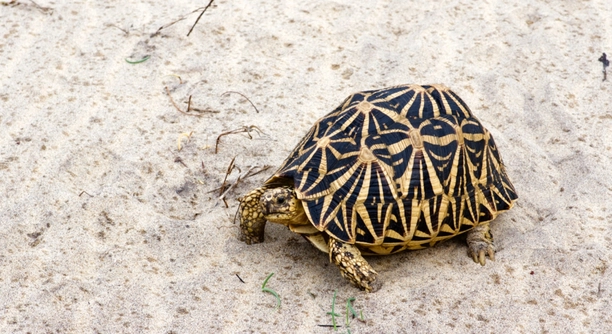
Turtles are fascinating creatures, often known for their slow movements and long lifespans. One interesting aspect of their behavior is how they manage the colder months, which leads many to wonder about their hibernation habits.
Turtles do not technically hibernate, but they enter a state called brumation, a period of dormancy in cold weather. During brumation, turtles become less active and may stop eating, but they still wake occasionally to drink water.
Understanding the differences between hibernation and brumation will help you better care for your pet turtle during colder seasons.
What Happens During Brumation?
Brumation is a survival mechanism for turtles when temperatures drop. Unlike hibernation, which is more common in mammals, brumation slows down the turtle’s metabolism, allowing them to conserve energy. Turtles may bury themselves in mud or sand to stay insulated from the cold. During this time, they often stop eating, but they will drink water to stay hydrated. Brumation can last for weeks or even months, depending on the species and environmental conditions. It’s important to know that this process isn’t harmful if the turtle has access to a proper environment. However, if their habitat isn’t suitable, problems can arise.
Turtles may appear lethargic or even lifeless during brumation, but they are still alive. In fact, it’s vital to let them rest during this time as they need the downtime to recharge for the warmer months.
If you’re keeping a turtle as a pet, it’s essential to provide a controlled environment during colder seasons. This means ensuring they have a proper space for brumation, ideally somewhere that mimics their natural habitat. The temperature should not be too cold, and humidity levels should be balanced to prevent dehydration. Make sure the turtle is healthy before brumation begins, as any underlying health issues could complicate the process. If unsure, it’s always a good idea to consult with a vet to confirm your turtle’s readiness for this period of dormancy.
How to Care for Your Turtle Before Brumation
It’s crucial to prepare your turtle before brumation begins. Make sure it is well-fed and healthy to survive the dormancy period.
Before brumation, your turtle should be in good condition, having stored enough energy from food. If they are underweight, it’s essential to feed them properly to help build strength.
Signs Your Turtle Is Ready for Brumation
Before brumation, your turtle will show signs of slowing down. They may become less active, hide more often, or lose interest in food. This is usually a sign that their body is preparing for a period of rest. You might also notice them digging or seeking out cooler, hidden areas to settle in.
If your turtle starts slowing down significantly, you should prepare for brumation. Make sure they have a safe and quiet space to settle. A cool, but not freezing, environment is key. During this time, they’ll need to rest and will not need to be disturbed unless necessary.
However, be cautious of signs of illness, such as abnormal breathing or difficulty moving. These issues should be addressed immediately as they can complicate the brumation process. It’s important to ensure your turtle is healthy and not under any stress before letting them enter dormancy. Keep track of any changes and consult a vet if something doesn’t seem right.
Temperature and Humidity During Brumation
Proper temperature control is critical during brumation. If your turtle is kept too warm, it may not enter full brumation and could remain active. The ideal temperature is between 40°F and 50°F. This allows the turtle to enter a restful state without being exposed to freezing conditions.
Humidity levels are also important during this time. Too little humidity can cause dehydration, while excessive moisture can lead to fungal infections. Maintaining a balanced humidity level helps your turtle stay hydrated and protected during their rest. To keep things stable, you can use a thermometer and a humidity gauge in the brumation area.
If you’re using a fridge or cool room, make sure it is clean and has adequate ventilation. This will ensure that your turtle has a safe and healthy environment to go into brumation. Check on them periodically, but avoid disturbing them too much. Keeping the environment steady is key to their well-being.
How Long Should Brumation Last?
Brumation can last anywhere from a few weeks to several months, depending on the species and environmental conditions. Some turtles may go into brumation for up to 3-4 months, while others may only need a short period. Keep an eye on them and monitor their behavior.
During this time, they won’t require food, but they may drink small amounts of water. If the brumation lasts longer than expected, make sure the turtle is still in good health and hasn’t become dehydrated. Consult a vet if you notice any unusual changes in their condition.
Waking Up from Brumation
When your turtle begins to wake up from brumation, it will do so slowly. You’ll notice them becoming more active and interested in food again. Start by offering water to rehydrate them. Be sure to feed them small amounts to help their digestive system start working again.
Is Brumation Dangerous?
Brumation is not dangerous if done correctly, but it’s important to ensure your turtle is healthy before entering dormancy. If they’re sick or underweight, they may struggle during the period of rest.
FAQ
How can I tell if my turtle is entering brumation?
As the weather cools, your turtle will naturally start to slow down. You may notice them eating less, hiding more often, or becoming less active. These are common signs that they are preparing for brumation. They may also seek cooler, darker areas to rest. If your turtle is a species that typically brumates, it’s important to prepare for this period of dormancy.
Should I feed my turtle during brumation?
No, turtles do not need to be fed during brumation. Their metabolism slows down, and they do not require food. Offering food at this time can cause digestive issues, as their body isn’t actively processing nutrients. Make sure they have access to water, as they may drink occasionally.
Is it necessary to let my turtle brumate?
No, it’s not absolutely necessary for all turtles to brumate, especially in controlled environments like pet homes. Some turtles can remain active during the winter if they are kept at the right temperature. However, allowing them to enter brumation can mimic their natural behavior and help maintain their health in the long term. If you choose not to let your turtle brumate, make sure the environment is consistently warm enough to keep them active.
How do I prepare my turtle for brumation?
Ensure that your turtle is healthy and well-fed before the brumation period begins. Give them time to eat and build up enough energy reserves. Clean their habitat and check the humidity and temperature levels, as these need to be stable for a safe brumation. If your turtle is smaller or younger, you might want to avoid brumation to avoid any health risks.
What if my turtle doesn’t wake up from brumation?
If your turtle doesn’t wake up after a few months of brumation, it could be a sign of illness, improper environmental conditions, or dehydration. It’s important to check the temperature and humidity of the environment. If the temperature was too cold, your turtle could be in a deeper state of dormancy. If they do not wake up after a reasonable period, consult a vet.
Can I disturb my turtle during brumation?
It’s best not to disturb your turtle during brumation. Frequent disturbances can cause unnecessary stress and may interfere with their natural resting cycle. Keep their habitat undisturbed, checking only occasionally to ensure everything is in place and they are safe. Excessive interaction can lead to health issues if they are not given enough time to rest.
What temperature should my turtle’s brumation environment be?
The ideal temperature for brumation is between 40°F and 50°F. This range mimics the cooler temperatures that some turtle species naturally experience in the wild during colder months. If the environment is too warm, your turtle might not enter brumation, while temperatures that are too low could cause harm or even lead to freezing.
Can my turtle brumate in a tank?
Yes, your turtle can brumate in a tank, but the environment must be controlled. You’ll need to ensure that the tank is placed in a cool, dark, and quiet area, like a basement or garage. You can also use a refrigerator for brumation if the temperature can be accurately regulated. Be sure to keep the tank clean and maintain the right humidity levels to prevent dehydration.
How long can my turtle go without food during brumation?
Turtles can go without food for an extended period during brumation, typically several months, depending on the species and their stored energy reserves. As long as they are healthy before brumation, they can comfortably survive without eating. However, it’s important to make sure they have access to fresh water to stay hydrated during this time.
What should I do if my turtle is not eating before brumation?
If your turtle refuses food before brumation, you should evaluate their health and environment. Stress, illness, or an improper temperature might affect their appetite. Make sure they are in a calm, warm, and stable environment and consult a vet if their lack of appetite persists. It’s important to ensure they are in good health before entering brumation.
Can brumation harm my turtle?
Brumation itself is not harmful as long as the conditions are right. However, if the turtle is unhealthy, underweight, or if the environment is unsuitable (like too cold or too warm), it can cause problems. Make sure your turtle is healthy, and the temperature and humidity levels are regulated. If your turtle shows signs of illness or stress before brumation, it might be better to delay the process or avoid it altogether.
How can I tell if my turtle is dehydrated during brumation?
Signs of dehydration in turtles include sunken eyes, dry skin, or a lack of movement. If you suspect your turtle is dehydrated, provide water immediately, but avoid disturbing them too much. If they remain inactive or show signs of distress, consult a vet. Keeping the humidity levels correct can help prevent dehydration.
Do all turtles brumate?
Not all turtle species brumate. While many species of turtles, particularly those native to temperate climates, brumate in winter, others may remain active throughout the year, especially if kept in a warm, controlled environment. Some turtles, like tropical species, do not experience brumation at all and remain active year-round.
Can I keep my turtle active during winter?
Yes, if you do not want your turtle to brumate, you can keep them active by providing a warm, stable environment. The temperature should be above 60°F at all times to encourage activity. You may need to use special lighting and heating equipment to ensure your turtle stays comfortable and active through the colder months.
Final Thoughts
Brumation is a natural process that turtles undergo to survive colder months. It’s different from hibernation, as turtles enter a state of dormancy rather than complete inactivity. During brumation, they slow down, stop eating, and may hide in cool, safe places. This process helps them conserve energy when food is scarce, and the temperatures are too low for them to remain active. Understanding brumation is essential if you keep a pet turtle, as it affects how you care for them during the colder seasons.
Preparing for brumation involves making sure your turtle is healthy, well-fed, and in the right environment. You’ll need to ensure the temperature in their habitat is cool but not freezing. Maintaining proper humidity levels is also crucial to prevent dehydration. It’s important to give your turtle the space and quiet they need to go through this process. Disturbing them too much during brumation can cause stress and disrupt their natural cycle. You should also monitor them periodically, checking that they are safe and healthy while they rest.
While brumation is a natural and healthy part of a turtle’s life, it’s important to be aware of any signs of illness or distress. If your turtle doesn’t wake up from brumation or shows signs of dehydration, you should seek professional help. Ensuring that your turtle is well-prepared and living in the right conditions will help them get through brumation safely and comfortably. As a pet owner, understanding this natural process and how to care for your turtle during brumation is key to ensuring their long-term health and well-being.

Hello,
If you enjoy the content that we create, please consider saying a "Thank You!" by leaving a tip.
Every little bit helps us continue crafting quality advice that supports the health, happiness, and well-being of pets around the world, for pets of all shapes, sizes, and species.
We really appreciate the kindness and support that you show us!