
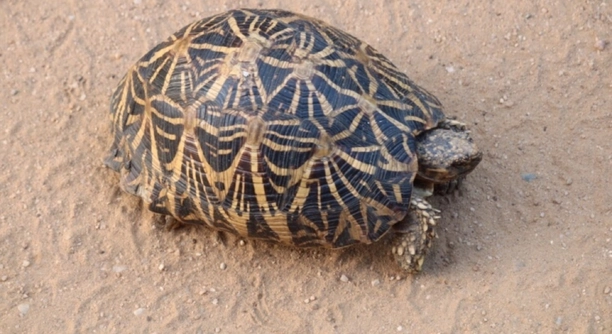
Do you ever find yourself wondering if turtles sleep and what their sleeping habits look like? Understanding their rest patterns can help turtle owners provide a suitable environment for them, ensuring their health and well-being.
Turtles do sleep, but their sleeping patterns vary depending on species and habitat. Aquatic turtles often sleep underwater, while land turtles find secure spots to rest. They experience a state of reduced activity rather than deep sleep, allowing them to remain alert to potential dangers.
Turtles’ unique sleeping habits are influenced by their environment, temperature, and safety needs. Learning how they rest can help you create the best conditions for your turtle’s comfort and overall health.
How Turtles Sleep
Turtles sleep in different ways depending on their species and environment. Aquatic turtles often rest underwater, using a slow metabolism to hold their breath for extended periods. Some position themselves near the surface to access oxygen easily. Land turtles, on the other hand, seek shelter under leaves, logs, or inside burrows for protection. Their sleep is light, allowing them to stay alert for potential threats. Temperature plays a significant role in their sleeping patterns, with colder conditions leading to longer periods of inactivity. Providing a quiet and safe space for your turtle helps them feel secure while resting.
Turtles do not experience deep sleep like mammals. Instead, they enter a restful state with reduced movement. This allows them to conserve energy while staying aware of their surroundings.
Creating a comfortable sleeping environment for your turtle includes maintaining proper water temperature, offering hiding spots, and ensuring minimal disturbances. Observing their sleep behavior helps you understand their comfort level.
Factors That Affect Turtle Sleep
Environmental conditions influence how long and where turtles sleep. Temperature, lighting, and habitat security play key roles in their rest patterns. Turtles in captivity require stable conditions to maintain a healthy sleep cycle.
In the wild, turtles adjust their sleeping habits based on seasonal changes. During colder months, some species enter a hibernation-like state called brumation, significantly reducing their activity. Water quality also impacts aquatic turtles’ sleep, as poor conditions can cause stress and disrupt their rest. Tank lighting should follow a natural day-night cycle to prevent confusion in their sleep patterns. Excessive noise or handling can also interfere with their ability to rest properly.
Ensuring your turtle has a suitable sleeping environment means maintaining clean water, regulating temperature, and minimizing disturbances. Observing changes in their sleep behavior can indicate stress or health issues, making it important to provide a stable and secure habitat.
Where Turtles Sleep
Turtles sleep in places that provide safety and comfort. Aquatic turtles rest on the bottom of ponds, rivers, or tanks, sometimes wedging themselves between rocks or plants. Land turtles burrow into the ground or hide under leaves and logs to stay protected from predators and harsh weather conditions.
Aquatic turtles rely on their ability to hold their breath while sleeping underwater. Some prefer floating near the surface with their heads slightly above water for easy breathing. Others find secure spots among submerged vegetation or under rocks. The choice of sleeping location depends on their species, habitat, and need for security. A stressed turtle may struggle to find a comfortable resting place, leading to sleep disturbances.
Land turtles seek dark, enclosed spaces to rest. They may dig shallow burrows, hide under logs, or retreat into their shells. Providing a quiet area with soft bedding or natural hiding spots can help pet turtles feel safe while they sleep. Creating a peaceful environment allows them to rest undisturbed and maintain a healthy routine.
How Long Turtles Sleep
Turtles sleep between four and seven hours a night, depending on species, age, and environmental conditions. Some may take short naps throughout the day, especially in warmer temperatures. Captive turtles follow a regular sleep schedule if provided with consistent lighting and temperature.
Seasonal changes affect turtle sleep duration. In colder months, some turtles enter brumation, a state similar to hibernation, where they become inactive for weeks or even months. During this time, their metabolism slows, reducing their need for oxygen and food. Warmer conditions lead to shorter and more frequent rest periods, as turtles remain more active. Light exposure also plays a role, with turtles sleeping longer in darker environments.
Pet turtles need a stable sleep schedule to stay healthy. Keeping a proper day-night cycle with consistent lighting helps regulate their rest. Avoiding unnecessary disturbances, maintaining clean water for aquatic turtles, and providing proper hiding spots for land turtles all contribute to better sleep quality.
Do Turtles Sleep with Their Eyes Open?
Most turtles sleep with their eyes closed, just like humans. Closing their eyes helps them rest properly and protects them from dryness or irritation. However, some species may keep their eyes partially open, especially when they feel unsafe or are in unfamiliar surroundings.
A turtle that frequently sleeps with its eyes open may be experiencing stress or discomfort. Poor lighting, excessive noise, or unsuitable temperatures can disrupt their sleep. Ensuring a calm and secure environment with proper conditions helps turtles feel safe enough to close their eyes and get the rest they need.
Do Turtles Dream?
Turtles do not experience dreaming like humans do. Their sleep cycles are different, consisting of lighter rest phases rather than deep REM sleep, which is linked to dreaming in mammals. Since their brains function differently, there is no scientific evidence suggesting that turtles have dreams while they sleep.
Signs of a Healthy Sleeping Turtle
A healthy sleeping turtle remains still but may shift positions occasionally. Their breathing slows down, and aquatic turtles may float slightly or rest on the bottom. If a turtle appears restless or struggles to stay asleep, it could indicate stress, discomfort, or an underlying health issue.
FAQ
Do turtles sleep underwater?
Yes, aquatic turtles sleep underwater. They can hold their breath for extended periods, allowing them to rest submerged without needing to surface frequently. Some turtles position themselves under rocks or plants, while others float near the surface to breathe more easily when necessary.
How do turtles breathe while sleeping underwater?
Turtles slow their metabolism while sleeping, reducing their oxygen needs. Some species absorb oxygen through specialized skin surfaces, such as the cloaca, allowing them to stay submerged longer. Others periodically rise to the surface for air before settling back into their resting position.
Do pet turtles need darkness to sleep?
Turtles sleep best in dim or dark environments. Too much light can disturb their rest and lead to stress. Providing a consistent day-night cycle with natural or artificial lighting that mimics their habitat helps regulate their sleep patterns and overall well-being.
How can you tell if a turtle is sleeping?
A sleeping turtle remains still, with slow or minimal movement. Their eyes may be closed, and their breathing rate decreases. Aquatic turtles may rest at the bottom of the tank or float motionless, while land turtles tuck into their shells or hide in sheltered areas.
Do turtles snore?
Some turtles produce faint noises while sleeping, which may sound like snoring. This can happen due to air passing through their nostrils or minor obstructions. However, frequent or loud noises may indicate respiratory issues, requiring veterinary attention.
Why does my turtle sleep so much?
Turtles may sleep longer due to cooler temperatures, low activity levels, or natural variations in their sleep cycles. However, excessive sleep combined with lethargy or appetite loss could signal illness. Checking tank conditions and observing behavior can help determine if a health issue is present.
Can turtles sleep outside their shell?
Turtles do not leave their shells when sleeping. Their shell is a part of their body, providing protection and support. When sleeping, they may retract their head and limbs partially or fully into their shell to stay safe from potential threats.
Do turtles sleep during brumation?
During brumation, turtles enter a state of inactivity where they rest for extended periods but do not sleep continuously. Their metabolism slows, and they may remain motionless for weeks or months, occasionally waking to drink water. This process helps them conserve energy in colder months.
How do I create a good sleeping environment for my turtle?
Providing a proper sleep environment includes maintaining stable temperatures, offering hiding spots, and keeping a consistent day-night cycle. Aquatic turtles benefit from clean, well-filtered water, while land turtles need a quiet space with soft bedding to encourage undisturbed rest.
Why is my turtle sleeping with its head out?
Some turtles sleep with their head extended for easier breathing. This is common in aquatic turtles that rest near the surface. If a turtle appears weak or struggles to retract its head, it could indicate an underlying health issue that needs attention.
Should I wake up my turtle if it sleeps too long?
Waking a sleeping turtle is not necessary unless there are concerns about its health. If a turtle is unresponsive, showing signs of illness, or sleeping much longer than usual, checking its environment and consulting a veterinarian may be necessary.
Final Thoughts
Turtles have unique sleeping habits that vary based on their species and environment. Aquatic turtles rest underwater, while land turtles find secure spots to sleep. Their ability to regulate breathing and slow their metabolism allows them to sleep comfortably without frequent movement. Understanding these behaviors helps ensure pet turtles receive the proper care and environment they need to rest undisturbed.
Providing a suitable sleeping space is essential for a turtle’s well-being. A stable temperature, a proper day-night cycle, and safe hiding spots contribute to healthy sleep patterns. Aquatic turtles need clean water with resting areas, while land turtles benefit from soft bedding and a quiet enclosure. Keeping their habitat free from disturbances supports their natural sleep cycles and reduces stress.
Observing a turtle’s sleep habits can also indicate potential health concerns. Excessive sleep, difficulty waking, or unusual positions may suggest an issue with temperature, diet, or overall health. Regular monitoring ensures any changes are addressed early. Creating a comfortable and secure environment allows turtles to maintain a natural sleep routine, supporting their long-term health and well-being.

Hello,
If you enjoy the content that we create, please consider saying a "Thank You!" by leaving a tip.
Every little bit helps us continue crafting quality advice that supports the health, happiness, and well-being of pets around the world, for pets of all shapes, sizes, and species.
We really appreciate the kindness and support that you show us!