
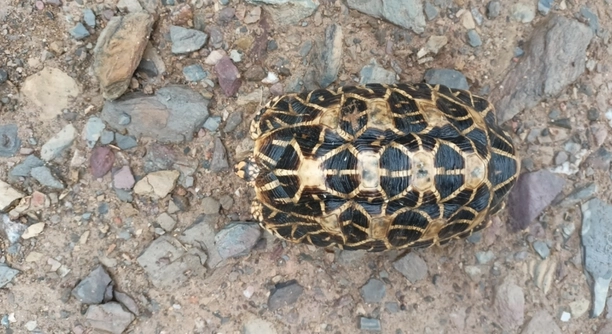
As a pet owner, keeping your star tortoise comfortable during cold weather can be challenging. It’s important to ensure their well-being despite the temperature drop to keep them healthy and active.
To keep your star tortoise comfortable in cold weather, create a warm, secure environment by providing heat sources, proper housing, and monitoring humidity. Maintaining the right temperature ensures they stay healthy, happy, and less stressed.
Understanding these key strategies will help you provide the best care for your tortoise. Keep reading to learn more about how to support your pet through chilly months.
Provide a Warm and Comfortable Habitat
One of the most important steps to keep your star tortoise comfortable during cold weather is providing a warm habitat. When temperatures drop, it’s essential to create a controlled environment for your tortoise, ensuring they have a place to retreat that is heated and safe. Consider using a reptile heat lamp or ceramic heat emitter to maintain an adequate temperature in the enclosure. A proper basking spot is crucial for regulating their body temperature, so the area should be heated to around 90°F (32°C), while the rest of the enclosure can be slightly cooler.
In addition to providing heat, make sure their enclosure is large enough to move around in and filled with substrates that retain warmth. Avoid placing your tortoise’s habitat near drafts or cold areas, as this will affect the temperature and humidity levels.
Keeping your tortoise’s habitat stable during the colder months is essential for their health. Proper lighting and heating can make a significant difference in their overall well-being. It’s also helpful to keep track of the temperature throughout the day to ensure they always have access to warmth when they need it. A thermometer and humidity gauge are great tools to monitor the environment.
Offer a Balanced Diet
Maintaining a proper diet during cold weather can support your star tortoise’s health. Make sure to provide them with fresh greens and other suitable food choices. Cold weather can reduce their activity level, so it’s important they still receive proper nutrition to stay healthy.
While they may not eat as much in colder months, offering foods high in fiber and calcium will ensure they get the nutrients they need. Avoid feeding them too much fruit, as it can lead to digestive issues.
Use a Heat Source for Nighttime Comfort
At night, temperatures can drop quickly, so providing additional warmth is crucial. Heat lamps or ceramic heat emitters can be used at night to maintain a stable environment for your star tortoise. A consistent temperature will help prevent them from becoming too cold, which can affect their immune system.
When using heat sources at night, make sure they don’t cause excessive heat or create hot spots in their enclosure. If using a heat lamp, it’s important to choose one that’s designed for reptiles and provides gentle, consistent warmth. Overheating can be just as harmful as being too cold.
A thermostat is an excellent tool to regulate the heat source, ensuring the temperature remains steady throughout the night. This will help avoid drastic fluctuations, which could cause stress for your tortoise. You can also use ceramic heat bulbs since they don’t emit light, preventing disruption to their sleep cycle.
Maintain Humidity Levels
Humidity is just as important as temperature when it comes to creating a comfortable habitat for your star tortoise. Cold weather can sometimes lead to lower humidity, which isn’t ideal for your tortoise. Make sure to monitor the humidity levels regularly.
Using a humidifier or misting the enclosure every day can help keep the humidity at a comfortable level, which should be around 50-60%. This is especially important if the air in your home becomes dry during the winter months. The right humidity helps your tortoise with proper shedding and digestion.
If the humidity is too low, your tortoise may experience difficulty shedding or could suffer from dehydration. Be sure to avoid excess moisture, though, as too much humidity can lead to mold growth or respiratory issues. Keep the humidity stable and balanced for the best results.
Avoid Excessive Handling
In cold weather, it’s important not to handle your star tortoise too much. During colder months, they tend to become more sluggish, and excessive handling can stress them out. Stress can impact their immune system and overall health.
If you do need to handle your tortoise, make sure it’s only for necessary tasks, such as cleaning their enclosure or taking them to a new area. Avoid picking them up too often, as it can disrupt their rest and cause unnecessary stress. Let them relax in their warm habitat to maintain their comfort.
Provide a Hiding Spot
A hiding spot is essential to help your tortoise feel secure during colder months. They should have a quiet, dark place where they can retreat and feel safe. This helps reduce stress and anxiety.
Provide a small cave or hide box in their enclosure where they can escape when needed. Ensure the hiding spot is made from a material that retains warmth. This way, they have a comfortable, private space to rest when they feel the need to retreat.
FAQ
How can I tell if my star tortoise is too cold?
A star tortoise that is too cold may show signs of lethargy or lack of movement. They might also hide more than usual, trying to conserve energy. You can check their body temperature by gently feeling their shell. If it feels cool to the touch, they may not be warm enough. Another indicator is reduced appetite; if your tortoise isn’t eating, it could be a sign that the temperature in their habitat is too low. To prevent this, keep an eye on their heating setup and adjust if necessary.
What’s the ideal temperature for my star tortoise?
During the day, your star tortoise should have a basking spot around 90°F (32°C). The cooler end of their enclosure should be about 75-80°F (24-27°C). At night, the temperature can drop to around 65°F (18°C), but it should never fall below that. If the temperature drops too low, your tortoise could become stressed or even ill. Using a thermometer in different spots of their enclosure can help maintain these levels and prevent temperature fluctuations.
Can I use a heat lamp for my star tortoise in the winter?
Yes, a heat lamp can be very helpful for providing warmth in the winter. It’s best to use a reptile-specific heat lamp that can create a basking area with temperatures around 90°F (32°C). Be sure the lamp is positioned safely above the enclosure to prevent burns. If you’re using a heat lamp, it’s crucial to also monitor the humidity and overall temperature, as too much heat can cause dryness in the habitat. Pairing a heat lamp with a ceramic heat emitter can provide warmth without adding light, which helps maintain their day-night cycle.
How do I keep the humidity levels right for my star tortoise in winter?
Winter air can be dry, which can make it harder to maintain the correct humidity levels in your star tortoise’s enclosure. A humidity level of 50-60% is ideal. To maintain this, you can mist their habitat lightly every day or use a humidifier. Be careful not to overdo it, as too much humidity can cause mold or respiratory issues. Another trick is to place a shallow water dish in their enclosure to increase humidity naturally. You can also use a substrate that retains moisture well, like coconut coir or orchid bark.
Is it okay to feed my star tortoise less during the winter?
Yes, it’s normal for star tortoises to eat less during colder months as their metabolism slows down. However, you should still provide fresh food regularly, including leafy greens, grasses, and a small amount of calcium. The key is to avoid overfeeding during winter and adjust the food portions accordingly. If your tortoise is not eating at all, make sure the temperature and humidity are in the correct range, as environmental stress can cause loss of appetite. If they continue to refuse food, consider consulting a vet.
Can I take my star tortoise outside during winter?
It’s not advisable to take your star tortoise outside during winter unless the weather is warm and stable. Star tortoises, being cold-blooded, can get too cold very quickly if exposed to chilly temperatures. If you want to take them outside, ensure it’s a sunny day and the temperature is warm enough. Always monitor their behavior closely, and never leave them outside for too long. It’s safer to provide them with a warm indoor environment where you can control the temperature and humidity.
How often should I clean my star tortoise’s enclosure in winter?
Cleaning your star tortoise’s enclosure is important for their health, especially during winter when they are less active. Aim to spot clean daily by removing uneaten food and waste. Perform a full cleaning of the enclosure every 1-2 weeks. During the winter months, their metabolism slows down, and they may not be as active in their space. This makes it even more important to keep the enclosure clean to prevent bacteria buildup. Always replace substrate and wipe down surfaces with reptile-safe cleaning products.
What should I do if my star tortoise shows signs of illness in winter?
If your star tortoise is showing signs of illness, such as lack of appetite, abnormal behavior, or wheezing, the first thing to check is their temperature and humidity levels. Ensure their habitat is set up correctly. If environmental conditions seem fine but they continue to show symptoms, consider consulting a veterinarian who specializes in reptiles. Cold weather can sometimes make them more susceptible to respiratory infections, so it’s important to seek professional help if needed.
Can I use a heating pad for my star tortoise?
Heating pads can be used, but they are not typically recommended as the primary heat source. They can create uneven heat distribution and may not provide the warmth needed for basking. However, they can be useful for providing extra warmth in a specific spot, such as under their hide box. If you use a heating pad, be sure to monitor the temperature with a thermometer, and make sure it doesn’t get too hot. You may want to pair it with a heat lamp or emitter for better control.
How can I keep my star tortoise active in winter?
Star tortoises naturally slow down in colder weather, and it’s important not to force them into activity. However, you can encourage them to move by providing a larger space for them to roam and by offering food to stimulate their interest. If your tortoise seems overly lethargic or unwilling to move, it may be a sign that the enclosure temperature is too low. Make sure they have a warm, comfortable area with enough space to explore when they feel like it.
Final Thoughts
Caring for a star tortoise during cold weather requires attention to their specific needs, especially when it comes to temperature and humidity. These reptiles rely on a controlled environment to stay healthy, and ensuring their habitat is warm enough is key to their well-being. Whether it’s using heat lamps, ceramic heaters, or maintaining proper humidity levels, the right setup will make a significant difference in keeping your tortoise comfortable. It’s essential to monitor the temperature regularly and adjust as needed to avoid drastic changes that could stress your pet.
While the cold months can be more challenging for both you and your tortoise, providing a stable and secure environment will help them thrive. During the winter, tortoises tend to be less active, but you can still ensure they have access to a comfortable space to relax. Keep in mind that their diet also plays an important role in their overall health. Offering fresh greens and making sure they receive the right amount of calcium can help them stay strong, even if their activity level decreases.
Finally, don’t forget that star tortoises have their own unique needs that must be respected. Each tortoise is different, so it’s important to observe them closely for any signs of stress or illness. Make adjustments to their habitat as necessary and provide them with a safe, quiet place to rest. By paying attention to these small details, you can ensure your star tortoise remains healthy and happy, even during the coldest months of the year. Taking these simple steps will go a long way in keeping your pet comfortable and in good health all year round.

Hello,
If you enjoy the content that we create, please consider saying a "Thank You!" by leaving a tip.
Every little bit helps us continue crafting quality advice that supports the health, happiness, and well-being of pets around the world, for pets of all shapes, sizes, and species.
We really appreciate the kindness and support that you show us!