
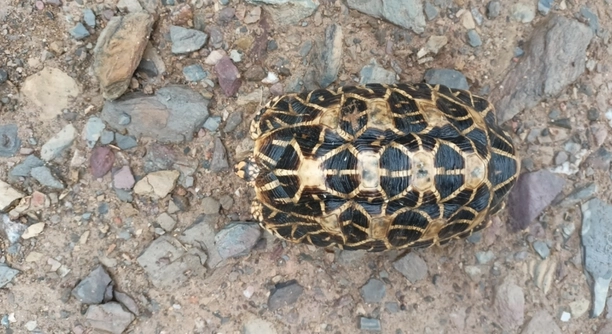
Star tortoises are fascinating creatures, but it can be concerning when they frequently try to flip themselves over. Understanding the causes behind this behavior is essential for keeping them healthy and happy.
The main reason a star tortoise might try to flip itself over is due to discomfort or stress. It may be caused by an unstable environment, physical health issues, or even instinctual behaviors related to its natural movements.
There are various factors that contribute to this behavior, from its habitat to potential health problems. By understanding these causes, you can ensure your tortoise’s well-being and avoid any unnecessary stress.
Unstable Environment
One of the most common reasons for a star tortoise trying to flip itself over is an unstable environment. If your tortoise’s enclosure is too small or has uneven surfaces, it can cause confusion and discomfort. Star tortoises prefer a large, flat surface to roam around. If they encounter an area where they feel off-balance, they might instinctively try to right themselves. Overcrowding in their space can also lead to frustration, making them more prone to flipping.
When setting up their habitat, ensure that there is plenty of space for movement. You should also create a flat and secure environment where the tortoise can freely move without struggling. Adding uneven rocks or logs can also cause them to lose balance. The area should provide safety and comfort, with minimal stress triggers that could cause them to flip.
This stability is crucial for your star tortoise’s happiness and well-being. A carefully designed, spacious habitat helps them feel secure and reduces unnecessary risk of flipping or injury. Keep their space as balanced and open as possible to prevent any discomfort.
Health Issues
If a star tortoise keeps trying to flip itself, there could be an underlying health issue causing the problem.
Injuries or illnesses might make it difficult for your tortoise to right itself. Conditions like weak limbs, fractures, or neurological issues may impact its ability to flip back. It’s essential to observe your tortoise closely for signs of injury or illness. If you notice unusual behavior, like constant flipping or difficulty moving, it may be a sign that a vet visit is needed.
A visit to a reptile veterinarian can help identify any potential problems, such as muscle weakness or issues related to the nervous system. Tortoises rely on their strength to move and right themselves. Any physical impairment can result in their inability to flip back over. Ensuring their health is key to addressing these issues. Regular check-ups will help detect problems early.
Overfeeding
Overfeeding can lead to a star tortoise struggling with movement, making it more likely to flip. When a tortoise becomes overweight, it can have trouble maintaining balance. Excess weight shifts its center of gravity, which may cause it to topple over. Be mindful of how much you feed your tortoise.
To avoid overfeeding, stick to a regular feeding schedule with proper portion control. Offering an appropriate mix of vegetables and greens is important, but avoid high-calorie foods that can lead to unnecessary weight gain. Additionally, consider providing opportunities for exercise to help maintain a healthy weight. This way, your star tortoise will be able to move more freely and reduce the risk of flipping.
Ensure your tortoise is staying within a healthy weight range by regularly weighing it. If your tortoise seems too heavy or has trouble walking, try adjusting its diet and activity level. Keeping your star tortoise fit is a big part of preventing flipping incidents.
Stress
Stress is another major reason a star tortoise may try to flip itself over. Any change in its environment can cause stress, such as sudden temperature fluctuations or loud noises. When a tortoise is stressed, it might behave erratically, including trying to flip itself as a way to cope with the discomfort.
To reduce stress, maintain a stable and quiet environment for your tortoise. Keep the temperature and humidity consistent, and avoid frequent disruptions. Providing a comfortable hideaway where your tortoise can retreat to feel safe is also essential. A low-stress environment encourages healthy behavior and prevents flipping caused by anxiety.
Inadequate Lighting
Inadequate lighting can make a star tortoise feel disoriented, leading it to attempt flipping itself over. Proper UVB lighting is essential for their well-being, as it helps regulate their metabolism and calcium absorption. Without enough light, their health can suffer, leading to unbalanced movements.
Make sure to provide your tortoise with a proper UVB light source for about 10-12 hours each day. A basking lamp should also be placed within their enclosure to simulate natural sunlight. Check the light regularly to ensure it’s not too weak or missing altogether, as inadequate lighting will make your tortoise uncomfortable.
Inappropriate Substrate
The substrate in your star tortoise’s enclosure plays a role in its balance. If it is too soft or slippery, your tortoise may struggle to move properly, resulting in flipping attempts. A proper substrate provides traction and support for your tortoise to move freely without difficulty.
Use substrates like coconut husk or untreated wood chips to ensure stability. Avoid sand or slippery surfaces that can cause your tortoise to lose balance easily. A proper balance of substrate ensures that your star tortoise can move confidently without feeling like it’s struggling or tipping over.
Natural Instincts
Star tortoises sometimes flip themselves over due to natural instincts, especially if they encounter something that makes them feel threatened or trapped. In the wild, flipping could be a way of escaping danger or adjusting their position to feel safer.
While this behavior is natural, you can still try to minimize it by ensuring your tortoise has a stress-free environment with plenty of room to roam. Avoid putting anything in their enclosure that could cause them to feel cornered or threatened.
FAQ
Why does my star tortoise keep flipping itself over?
There are a few common reasons why your star tortoise might flip itself over. It could be due to an unstable environment, where uneven surfaces or overcrowding make it difficult for your tortoise to feel balanced. Overfeeding or stress can also lead to disorientation, causing your tortoise to try and flip. Additionally, health problems like weak limbs, injuries, or even improper lighting and temperature in its enclosure can contribute to this behavior. Understanding the cause will help you address the issue and keep your tortoise healthy.
Is it normal for my star tortoise to flip over?
Flipping is not typical behavior for a star tortoise, but it can happen. It’s important to observe your tortoise to understand why it’s flipping. While it may occur occasionally, it should not happen frequently. If it does, it could be a sign of an underlying problem that needs attention.
How can I stop my star tortoise from flipping over?
To stop your star tortoise from flipping over, ensure its environment is stable. Make sure the substrate is non-slippery and provides good traction. Offer a larger enclosure with flat, secure surfaces for the tortoise to move freely. Proper lighting, heating, and diet also help to keep your tortoise healthy and balanced.
Can overfeeding cause my star tortoise to flip over?
Yes, overfeeding can cause your star tortoise to flip over. When a tortoise becomes overweight, it may struggle to move properly and could lose balance. Excess weight shifts its center of gravity, making it more prone to tipping over. It’s essential to feed your tortoise the right amount of food to maintain a healthy weight.
What is the best diet for my star tortoise to avoid flipping?
A balanced diet is key to preventing overfeeding and helping your tortoise maintain a healthy weight. Offer a variety of leafy greens, such as dandelion greens, collard greens, and mustard greens. Avoid high-calorie foods, such as fruit, and be sure to provide a proper calcium supplement. Keeping the diet simple and nutritious can reduce the chances of weight-related flipping.
Is stress causing my star tortoise to flip?
Yes, stress can make a star tortoise try to flip itself over. Stress can be triggered by sudden changes in the environment, like loud noises, new surroundings, or temperature fluctuations. When stressed, your tortoise may become disoriented and attempt to right itself by flipping. Minimizing stress through a stable, quiet environment is essential.
What should I do if my star tortoise keeps flipping over despite changes?
If your star tortoise continues to flip over despite making changes to its habitat, diet, and routine, you may want to check for any underlying health problems. A visit to the veterinarian can help identify any physical issues, such as muscle weakness, neurological conditions, or injury, that could be contributing to the behavior.
Can improper lighting cause my star tortoise to flip?
Yes, improper lighting can cause confusion for your star tortoise, leading to potential flipping. UVB lighting is essential for your tortoise’s health, helping it absorb calcium and regulate metabolism. Without sufficient lighting, your tortoise may become weak, disoriented, or have trouble moving properly. Ensure you provide proper UVB lighting and a basking lamp to help them feel stable and secure.
How can I ensure my star tortoise has the right lighting?
To provide the right lighting, use a UVB bulb specifically designed for reptiles. Make sure the light covers the entire enclosure, offering enough exposure for 10-12 hours each day. The basking spot should be placed within the correct temperature range, with a warm area for your tortoise to rest and soak in heat. Check the light regularly to ensure it is functioning properly and replace it as needed.
What kind of substrate should I use to prevent my star tortoise from flipping?
The substrate should be stable, non-slippery, and easy for your star tortoise to walk on. Coconut husk, wood chips, or a combination of soil and sand can work well as long as they are not too soft or slippery. Avoid using sand or slippery materials that can cause your tortoise to lose its balance and flip over.
Does my star tortoise need a large enclosure to avoid flipping?
Yes, a larger enclosure is ideal for preventing flipping. A cramped or crowded space can lead to stress and imbalance, making it harder for your tortoise to move around freely. A spacious area allows your star tortoise to roam comfortably, reducing the risk of flipping and promoting overall well-being.
Can health issues make my star tortoise flip over?
Health issues like muscle weakness, neurological problems, or injury can make a star tortoise struggle to right itself. If your tortoise seems to be flipping over frequently without a clear cause, it’s important to consult a veterinarian. Health problems can affect its ability to move and maintain balance, leading to frequent flipping.
Should I be concerned if my star tortoise flips once in a while?
Occasional flipping is usually not a cause for concern, especially if it is able to right itself without problems. However, frequent flipping is a sign that something might be wrong. It could be related to its environment, diet, or health. Observing your tortoise’s behavior and making adjustments to its habitat can help prevent further occurrences.
Can I prevent flipping by providing more hiding places for my star tortoise?
Providing hiding places is helpful for reducing stress, but it will not directly prevent flipping. However, offering safe spots where your tortoise can retreat and feel secure may reduce anxiety and help it feel more comfortable in its environment. A less stressed tortoise is less likely to flip out of distress.
How can I monitor my star tortoise’s weight to prevent flipping?
Monitoring your star tortoise’s weight regularly is essential. You can use a small, accurate scale to weigh your tortoise every few weeks. If you notice that your tortoise is gaining weight quickly, adjust its diet and exercise accordingly. Keeping it at a healthy weight is one way to prevent issues like flipping.
Final Thoughts
Understanding why your star tortoise may be trying to flip itself over is essential in providing the best care for it. While this behavior is not typical, it can happen for various reasons, such as an unstable environment, health issues, or stress. It’s important to look for signs of these causes and make changes to help your tortoise feel secure and comfortable. A stable habitat with flat, non-slippery surfaces and appropriate lighting is key to keeping your tortoise healthy and balanced.
A healthy diet and regular exercise also play a significant role in preventing your tortoise from flipping. Overfeeding can lead to weight gain, which can make it harder for your star tortoise to move around and maintain balance. Keeping your tortoise at a healthy weight is crucial for avoiding unnecessary stress and ensuring its overall well-being. Remember to offer a variety of greens and avoid high-calorie foods that may cause weight gain. Additionally, providing opportunities for exercise will help your tortoise stay strong and more capable of righting itself if it does happen to flip.
Lastly, if you notice that your star tortoise continues to flip despite making changes to its habitat, diet, and environment, it may be time to consult with a veterinarian. Health issues such as muscle weakness, neurological problems, or injury could be contributing to the flipping behavior. A vet can help identify any potential health problems and provide guidance on how to treat them. By closely monitoring your tortoise’s behavior and making the necessary adjustments, you can ensure a healthier and happier life for your star tortoise.

Hello,
If you enjoy the content that we create, please consider saying a "Thank You!" by leaving a tip.
Every little bit helps us continue crafting quality advice that supports the health, happiness, and well-being of pets around the world, for pets of all shapes, sizes, and species.
We really appreciate the kindness and support that you show us!