
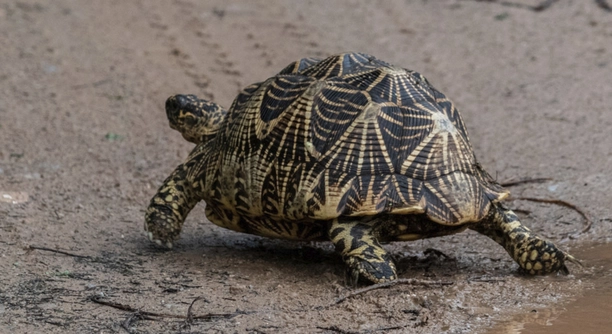
Is your star tortoise constantly scratching its face? It might seem like a small concern, but there are a few reasons behind this behavior. Understanding what’s going on can help you take better care of your pet.
Face scratching in star tortoises can be a sign of irritation, discomfort, or health issues. Common causes include skin problems, improper humidity levels, or even stress. Identifying the root cause is crucial for ensuring your tortoise’s well-being.
There are multiple factors at play, and addressing them can improve your tortoise’s comfort. We’ll break down these causes to help you determine what might be causing this behavior.
Skin Irritation and Dryness
One of the most common reasons a star tortoise scratches its face is skin irritation. This can happen if the environment is too dry, leading to dry, flaky skin. Tortoises, like many reptiles, rely on a balanced humidity level to keep their skin hydrated. When the humidity is off, it can cause discomfort. In some cases, external factors like mites or fungal infections might also irritate the skin, making the tortoise scratch its face frequently.
A quick solution to this is adjusting the humidity in their enclosure. A humidifier or frequent misting can help maintain an optimal environment. Be mindful of the temperature as well, since excessive heat can further dry out the air. If you suspect an infection, it’s a good idea to consult a vet for proper treatment.
Keeping their living space clean is just as important. Make sure to remove any debris or waste that might cause irritation. Regularly check for signs of skin problems, and keep an eye on your pet’s overall health.
Stress and Anxiety
Stress can also lead to face scratching in star tortoises. A sudden change in their environment, a new pet, or loud noises can trigger anxiety. Tortoises are creatures of habit and can become stressed when things feel unfamiliar.
Create a peaceful and stable environment for your tortoise. Keep their space quiet and calm, and avoid frequent handling unless necessary. When they feel safe and secure, their behavior should return to normal.
Improper Lighting and UVB Exposure
UVB lighting is essential for a star tortoise’s health. Without it, they can develop health issues that lead to scratching their face. UVB rays help them synthesize vitamin D3, which is crucial for calcium absorption. Without proper calcium levels, their shell and skin can become weak and irritated.
Ensure that your tortoise has access to UVB lighting for about 10-12 hours a day. A high-quality UVB bulb placed at the correct distance from their basking area will mimic natural sunlight. Be sure to replace the bulb regularly, as the UVB rays lose effectiveness over time.
Keep in mind that exposure to direct sunlight is also beneficial. If possible, allow your tortoise to spend time outdoors, but make sure to supervise them to prevent overheating or sunburn. Proper UVB exposure is not only vital for preventing face scratching but also for overall health and growth.
Nutritional Deficiencies
A poor diet can lead to face scratching in star tortoises, as it impacts their skin health. If their food lacks essential nutrients, such as vitamins and minerals, it can cause skin irritation. Specifically, a deficiency in calcium or vitamin A can lead to problems like dry or flaky skin, causing them to scratch.
To address this, provide your tortoise with a well-rounded diet consisting of dark leafy greens, such as collard greens and dandelion leaves. Adding a calcium supplement can help maintain proper bone and skin health. Avoid feeding too many high-oxalate foods like spinach, which can interfere with calcium absorption.
Make sure to offer fresh, varied meals to ensure they’re getting all the vitamins and minerals they need. In addition, consider including a few edible flowers like hibiscus or pansies. Providing these different food options helps keep their diet balanced and supports skin health, reducing irritation and scratching behavior.
Overcrowded or Inadequate Habitat
When star tortoises are kept in overcrowded enclosures, it can cause stress, leading to face scratching. A cramped living space doesn’t allow them to move freely or feel secure. It can also lead to poor ventilation, affecting air quality and making them more prone to skin irritation.
To avoid this, ensure their enclosure is spacious enough for them to roam and explore. A good rule of thumb is a minimum of 4 feet by 2 feet of space for one tortoise. Proper ventilation helps prevent humidity and temperature imbalances that may contribute to skin issues.
The habitat should also include hiding spots or shelters to make them feel safe. Too much activity or other animals nearby can lead to added stress, contributing to behaviors like face scratching. Make sure their space feels secure, and they’ll likely stop the excessive scratching.
Mites and Parasites
Mites or parasites can also be a reason behind your star tortoise’s face scratching. These tiny pests cause irritation to their skin, making them scratch or rub their face to relieve discomfort. If left untreated, they can worsen and cause infection or skin damage.
Check your tortoise regularly for any signs of mites, such as small dark spots on the skin or scales. Mites are often found around the eyes, ears, and neck. If you suspect your tortoise has mites or other parasites, it’s best to consult a vet for treatment options.
Unhealthy Shedding Process
Star tortoises shed their skin regularly, and sometimes this process can cause irritation. If the skin is not shedding properly or if pieces are sticking, it may lead to itching and face scratching. An improper shedding cycle could be triggered by poor humidity or lack of UVB light.
To help with the shedding process, ensure proper humidity levels in their enclosure. Slightly higher humidity can aid in smoother shedding. Gently misting their shell and body with water may also encourage shedding. Keep their enclosure clean and free of debris that could further irritate their skin during this natural process.
FAQ
Why does my star tortoise keep scratching its face?
Face scratching in star tortoises can be a sign of discomfort or irritation. It often occurs due to skin issues, stress, improper humidity, or inadequate UVB lighting. When their environment isn’t optimal, they may scratch to alleviate the discomfort. Mites, parasites, or even an improper shedding cycle can also contribute to this behavior. Identifying the underlying cause is essential to preventing further scratching.
How do I know if my tortoise is stressed?
Stress in star tortoises can be difficult to detect, but there are a few signs to watch for. If your tortoise is scratching more than usual, hiding more frequently, or displaying signs of aggression or lethargy, these could be signs of stress. Changes in their environment or handling, overcrowding, or lack of privacy can all cause stress. You may also notice decreased eating habits or an overall lack of interest in exploring.
Can poor diet cause face scratching in tortoises?
Yes, a poor diet can lead to nutritional deficiencies that affect your tortoise’s skin health. Specifically, a lack of essential vitamins like vitamin A or calcium can cause skin irritation and dryness, which may lead to face scratching. Make sure to feed your star tortoise a balanced diet rich in leafy greens, and consider adding a calcium supplement to their food. Avoid feeding them high-oxalate foods like spinach, which can block calcium absorption.
What’s the ideal humidity level for my star tortoise?
Star tortoises thrive in an environment with humidity levels around 50-60%. Too much moisture can lead to mold and fungal growth, while too little can cause dry skin, dehydration, and excessive scratching. Regular misting and a proper substrate can help maintain the correct humidity. You may also want to invest in a humidity gauge to monitor the levels in their enclosure.
How often should I replace the UVB bulb for my tortoise?
UVB bulbs lose their effectiveness over time, even if they still emit visible light. It’s recommended to replace UVB bulbs every 6-12 months, depending on the type and brand. If you notice your tortoise scratching more often or displaying signs of poor health, a lack of proper UVB exposure could be the cause. Be sure to position the bulb at the correct distance from your tortoise to maximize the benefit.
Can mites cause face scratching in star tortoises?
Yes, mites are a common cause of face scratching. These tiny parasites irritate the skin and may cause itching or discomfort. If your tortoise has mites, you might notice small dark spots around their eyes or neck. If left untreated, mites can lead to skin infections and other health issues. A vet can recommend a treatment to eliminate the mites and prevent further irritation.
What type of lighting should I provide for my star tortoise?
Your star tortoise needs both UVA and UVB lighting to stay healthy. UVA helps regulate their behavior, while UVB aids in vitamin D3 production for proper calcium absorption. Use a high-quality UVB bulb specifically designed for reptiles, and make sure it is positioned at the correct distance from the basking area. This will ensure they are getting enough light for proper shell and skin health.
How can I help my tortoise shed properly?
If your tortoise is having trouble shedding, it may be due to insufficient humidity or temperature in their enclosure. During shedding, the skin can become stuck, leading to discomfort and scratching. Increase the humidity slightly in the enclosure to help with the shedding process. Gently misting your tortoise with water can also encourage the skin to come off more easily. Regularly check for signs of retained skin and, if necessary, consult a vet for guidance.
How can I tell if my star tortoise has a skin infection?
Skin infections in star tortoises can be caused by various factors, including poor hygiene, fungal growth, or exposure to parasites. Look for signs such as redness, swelling, open sores, or abnormal discharge. If your tortoise is scratching excessively and showing any of these symptoms, it may be time for a vet visit. Skin infections can lead to more serious complications if left untreated, so early detection is important.
Is it okay for my star tortoise to spend time outside?
Yes, star tortoises can benefit from spending time outdoors in a safe, controlled environment. Natural sunlight provides them with both UVA and UVB rays, which are important for their overall health. Just be sure to monitor the temperature and ensure the area is free of predators or hazards. When outside, make sure your tortoise can access shaded areas and fresh water. It’s also a good idea to limit their time in direct sunlight to prevent overheating.
Can I use lotion or creams on my star tortoise’s skin?
It is not recommended to use lotions or creams on your star tortoise’s skin. These products can contain chemicals that may be harmful to reptiles. If your tortoise has dry skin or irritation, adjusting the humidity or providing a better diet should help. If the skin issue persists, a vet will be able to recommend the proper treatment. Always avoid applying human products to your tortoise’s skin unless prescribed by a professional.
What should I do if my star tortoise continues to scratch?
If your tortoise’s face scratching persists despite addressing potential environmental and dietary issues, it’s best to consult a veterinarian. A vet will be able to perform a thorough examination to check for parasites, infections, or underlying health conditions. They can provide a specific diagnosis and recommend an appropriate course of action for treatment.
When it comes to your star tortoise scratching its face, there are several possible causes to consider. Whether it’s due to dryness in their environment, stress from overcrowding, or issues like mites or improper lighting, addressing the root of the problem is key to providing the best care for your pet. The good news is that with some simple adjustments to their habitat, diet, and overall care routine, you can significantly reduce or eliminate the behavior.
Ensuring your star tortoise has proper UVB lighting, a balanced diet, and the right humidity levels will help them thrive and keep their skin healthy. A clean and spacious enclosure will also contribute to a stress-free environment. Regularly monitor the temperature and humidity levels, and make sure their diet includes essential nutrients like calcium and vitamin A. This will promote overall health and prevent common skin issues, reducing the chances of scratching. It’s important to keep an eye out for other signs of illness, such as changes in eating habits or behavior, so you can address any concerns quickly.
If you’ve addressed these factors and your tortoise continues to scratch its face, a visit to the vet may be necessary to rule out any health issues. A vet will be able to check for parasites, infections, or other underlying conditions that might be causing discomfort. The sooner any potential problems are identified, the better. Taking the right steps to keep your star tortoise healthy and happy will help ensure they live a long, comfortable life in your care.

Hello,
If you enjoy the content that we create, please consider saying a "Thank You!" by leaving a tip.
Every little bit helps us continue crafting quality advice that supports the health, happiness, and well-being of pets around the world, for pets of all shapes, sizes, and species.
We really appreciate the kindness and support that you show us!