
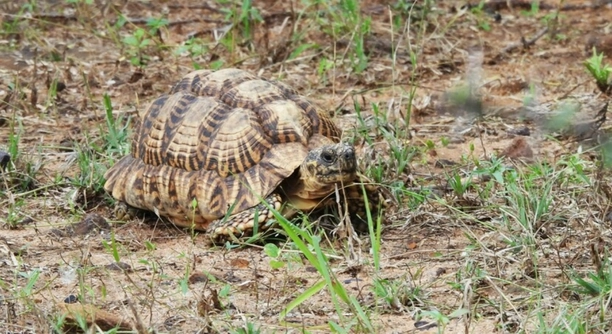
If you’re a proud star tortoise owner, ensuring their health is a top priority. One important factor to monitor is whether your tortoise is overheating, as this can lead to serious health issues if left unnoticed.
Overheating in star tortoises occurs when they are exposed to high temperatures for extended periods, causing distress and health problems. Recognizing the warning signs early can help you protect your pet and ensure they stay healthy and comfortable.
Recognizing these signs early can help prevent overheating from becoming a more serious issue. We will guide you through the warning signs and what you can do to protect your tortoise’s health.
Recognizing the Early Signs of Overheating
It’s important to know how to spot the early signs of overheating in your star tortoise. If your tortoise seems more lethargic than usual, is actively avoiding heat sources, or begins to breathe heavily, it may be struggling to stay cool. Excessive heat can cause their body temperature to rise beyond safe levels, leading to dehydration or heat stroke. These are signs that you should act on immediately, as tortoises can quickly experience a decline in health if not treated promptly.
If you notice these symptoms, it’s a good idea to move your tortoise to a cooler area with proper ventilation. Try offering fresh water and monitor its behavior closely. Being observant is key in these situations to ensure your pet’s safety.
In some cases, you might also observe your tortoise becoming more aggressive or anxious when overheated. Their behavior may change, and they may not respond to their usual environment the same way. This can often be a sign of discomfort, and adjusting their surroundings is essential.
Preventing Overheating Before It Happens
A proactive approach is always better when it comes to protecting your tortoise from overheating. Keep their habitat in a temperature-controlled area where they are not exposed to extreme heat for too long.
Ensure the basking light is not too intense, and provide shaded areas where they can retreat to cool off. Additionally, monitor the room temperature to make sure it stays within a safe range, ideally between 75 and 85°F (24-29°C). Humidity should also be regulated to prevent stress on their system.
This proactive care can prevent overheating from happening in the first place. Maintaining a comfortable, stable environment allows your star tortoise to thrive. By controlling the temperature, you are ensuring their well-being and minimizing the risk of overheating-related health issues. With the right setup, you can keep your tortoise healthy and happy.
Recognizing the Physical Signs of Overheating
Overheating can lead to a range of physical symptoms in star tortoises. If you notice your tortoise’s eyes are sunken or their skin appears dry and flaky, these could be signs of dehydration. Their body temperature may rise, making them feel warmer to the touch than usual.
A tortoise that is overheating may also display unusual postures, such as stretching out or seeking cooler areas in their enclosure. In addition to behavioral signs, physical symptoms like excessive panting or drooling may occur. These signs indicate that your pet is struggling to regulate its temperature. It’s crucial to intervene before it worsens.
Keep an eye on the overall condition of your tortoise’s shell as well. If it feels excessively hot or dry, it could mean the animal is too warm. Overheating can affect both its comfort and long-term health, so providing a cool, shaded environment is essential.
Environmental Factors Contributing to Overheating
Several environmental factors can cause overheating in star tortoises. Improper placement of basking lamps or heating elements is a common issue. If your tortoise is exposed to direct heat for too long, it can raise their body temperature quickly.
Also, an enclosure that is too small or lacks proper ventilation can trap heat, making it difficult for your tortoise to escape high temperatures. Make sure your pet’s habitat has enough airflow and space to regulate the temperature naturally. If your pet is in a confined space, the heat can build up quickly, resulting in overheating.
Creating a balance between warmth and cooler zones within the enclosure helps your tortoise manage its body temperature. Offering both a basking area and a shaded retreat will help them self-regulate, reducing the risk of overheating. Proper enclosure setup is one of the best preventive measures you can take.
Impact of Overheating on Star Tortoise Behavior
Overheating can cause changes in your star tortoise’s behavior. They may become more lethargic, spend less time moving around, and even stop eating. This is a clear sign that something is wrong, as they typically enjoy exploring and foraging.
Behavioral shifts like hiding or staying in one spot longer than usual could indicate discomfort. You might notice that your tortoise avoids its basking light or seems to be actively seeking cooler spaces. These actions can suggest that the temperature is too high for them to function comfortably.
Importance of Hydration for Overheated Tortoises
Keeping your star tortoise hydrated is vital, especially when overheating occurs. Dehydration can make the problem worse and may lead to more severe health issues. Providing fresh water daily is crucial to help maintain hydration levels.
If your tortoise is overheated and not drinking enough water, you can offer a shallow water dish for them to soak in. This can help lower their body temperature and keep them hydrated. Always ensure the water is fresh and clean, so your tortoise can stay refreshed.
Adjusting Temperature for Your Tortoise
Adjusting the temperature in your tortoise’s environment is a simple but effective way to prevent overheating. If you notice signs of distress, consider lowering the temperature slightly by moving heat lamps or adjusting the thermostat.
Ensure the cooler areas of the habitat remain well-ventilated and free from heat buildup. Keeping the overall temperature stable and comfortable will allow your tortoise to regulate its body heat better, reducing the chances of overheating. Be mindful of fluctuating temperatures, as sudden changes can be stressful for your pet.
FAQ
What temperature is safe for my star tortoise?
The ideal temperature for a star tortoise’s habitat should range from 75°F to 85°F (24°C to 29°C) during the day. The basking area should be slightly warmer, around 90°F (32°C). At night, the temperature can drop to around 70°F (21°C). Keeping the habitat within these ranges ensures your tortoise remains comfortable and avoids overheating or becoming too cold. Using a thermometer to monitor these temperatures is essential for providing the right environment.
How do I know if my star tortoise is too hot?
Signs of overheating in a star tortoise include lethargy, excessive panting, and seeking cooler areas in the habitat. You may also notice dry or sunken eyes and a warm, dry shell. If your tortoise starts hiding more than usual or refusing food, it could be a sign that the temperature is too high. Always ensure your tortoise can escape from direct heat sources if needed.
Can I use a heat lamp to regulate temperature?
Yes, a heat lamp can be useful for providing a basking area that allows your tortoise to warm up. However, it’s important to position the lamp properly. The heat source should be focused on a specific area of the enclosure so that your tortoise can move away from it if it gets too hot. A good balance between warm and cool areas in the habitat is necessary for temperature regulation.
How often should I check my tortoise’s temperature?
You should check the temperature in your star tortoise’s enclosure daily. This ensures that the environment stays within the safe range. Using a reliable thermometer is key to monitoring the temperature consistently. If you notice temperature fluctuations or if your tortoise starts showing signs of discomfort, adjust the setup accordingly.
Is it dangerous for my star tortoise to overheat?
Yes, overheating is dangerous for star tortoises. Prolonged exposure to high temperatures can lead to dehydration, heat stress, and even heat stroke, which can be fatal if not addressed quickly. Overheating can also cause permanent damage to their organs if left unchecked. Preventing overheating is essential for keeping your tortoise healthy.
What should I do if my star tortoise is overheated?
If your star tortoise is overheated, immediately move them to a cooler area away from the heat source. Offer fresh water and allow them to cool down gradually. You can gently soak your tortoise in lukewarm water to help lower its body temperature. Avoid drastic temperature changes, as they can cause additional stress.
Can dehydration cause my star tortoise to overheat?
Yes, dehydration can make your tortoise more vulnerable to overheating. When a tortoise is dehydrated, its body struggles to regulate temperature, making it easier for them to overheat. Always make sure your star tortoise has access to fresh water, especially during hot weather or when they seem sluggish.
How can I tell if my tortoise is dehydrated?
Signs of dehydration in a star tortoise include sunken eyes, dry or flaky skin, and a lack of movement. If your tortoise is not eating or drinking enough, it could be a sign of dehydration. You can also check the skin’s elasticity by gently pinching it. If the skin doesn’t return to its normal position quickly, your tortoise may be dehydrated.
Can I place my star tortoise outside in the sun?
While sunlight is essential for your tortoise’s health, it’s important to ensure they have access to shade when needed. Direct, unregulated sunlight can lead to overheating. If you place your tortoise outside, provide shaded areas and ensure there is fresh water available for them to drink. Always monitor them closely to prevent overheating.
What is the best way to cool down an overheated tortoise?
To cool down an overheated tortoise, move them to a cooler area with good ventilation. Offer them water to help with hydration and lower their body temperature. Gently soak them in lukewarm water for 10–15 minutes to help bring their temperature back down. Avoid using cold water, as rapid temperature changes can cause shock.
How can I prevent my star tortoise from overheating in summer?
During hot weather, it’s crucial to maintain a cool environment for your star tortoise. Keep their enclosure in a well-ventilated area away from direct sunlight. If they are outside, ensure they have access to shade and plenty of water. Avoid using heat lamps or other warming devices during hot summer months to prevent the temperature from rising too high.
How long can my star tortoise stay in hot weather?
Star tortoises can tolerate warmth for short periods, but long exposure to high temperatures is harmful. They should never be left in direct heat for extended hours. If you plan to keep them outdoors, ensure they have a shaded area to retreat to and plenty of water to drink. It’s best to limit exposure to hot weather, especially in peak heat.
Are there any signs of heat stroke in my tortoise?
Heat stroke in star tortoises can manifest through signs like heavy panting, weakness, difficulty moving, and collapsing. If your tortoise becomes disoriented or unresponsive, it’s crucial to act quickly. Lower their body temperature gently, hydrate them, and contact a vet for further assistance if necessary.
Final Thoughts
Overheating can be a serious concern for your star tortoise, but with the right care, it’s easy to prevent. Understanding the signs of overheating and how to manage your tortoise’s environment is key to keeping them healthy and comfortable. Regularly check their habitat’s temperature, ensure they have access to shaded areas, and monitor their behavior closely. If you notice any signs of distress, such as lethargy, panting, or seeking cooler places, it’s important to take immediate action. Offering fresh water and adjusting their environment can make a big difference in preventing overheating.
The health of your star tortoise relies heavily on the temperature and humidity of their habitat. Providing a space where they can easily move between warmer and cooler areas helps them regulate their body temperature naturally. Additionally, using a thermometer to monitor the temperature throughout the day ensures that your tortoise is not exposed to harmful heat. The correct setup, combined with daily monitoring, is the best way to keep your tortoise safe and happy. Remember, tortoises rely on their owners to create the right environment for them to thrive.
In the event that your tortoise does become overheated, don’t panic. The key is acting quickly. Move them to a cooler place, offer water, and let them cool down gradually. If necessary, you can give them a lukewarm soak to help bring down their temperature. Regular checks on their behavior and environment can prevent many issues. By being attentive and knowledgeable about their needs, you ensure your star tortoise remains healthy and comfortable for years to come.

Hello,
If you enjoy the content that we create, please consider saying a "Thank You!" by leaving a tip.
Every little bit helps us continue crafting quality advice that supports the health, happiness, and well-being of pets around the world, for pets of all shapes, sizes, and species.
We really appreciate the kindness and support that you show us!