
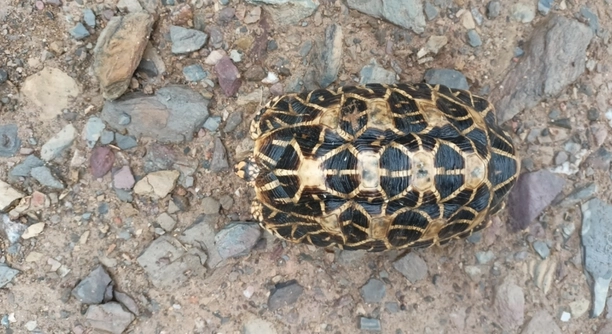
Is your star tortoise showing signs of being under the weather? Respiratory issues can affect your tortoise’s health, but identifying symptoms early can help. This guide will help you recognize the signs and take action.
If your star tortoise has a respiratory issue, you may notice symptoms such as wheezing, nasal discharge, or labored breathing. These signs can point to an underlying infection or other health problems, requiring prompt attention from a veterinarian.
Understanding the symptoms early can make a big difference. Knowing how to spot the signs and seek timely care ensures your star tortoise stays healthy and happy for years.
Common Symptoms of Respiratory Issues in Star Tortoises
When a star tortoise has a respiratory issue, there are several signs to look out for. One of the most common is nasal discharge. If you notice clear or thick mucus around the nose or mouth, it’s often an early sign of infection. Another red flag is wheezing or labored breathing. Your tortoise may struggle to breathe or make strange sounds as it exhales. In more severe cases, you may see the tortoise opening its mouth to breathe, which is abnormal and usually indicates distress.
It’s also worth checking for swollen eyes or clear eye discharge, as respiratory infections can affect the eyes too. Lethargy is another symptom; if your tortoise seems less active or spends more time hiding, it could be related to an illness. Additionally, a lack of appetite may occur if they are feeling unwell. Keep an eye on these signs and take action quickly.
Monitoring your star tortoise for these symptoms can help ensure timely treatment. If you spot any of these issues, it’s important to contact a vet as soon as possible to prevent further complications.
Causes of Respiratory Issues in Star Tortoises
Respiratory infections in star tortoises are typically caused by bacterial or viral agents. Poor living conditions, such as cold temperatures, high humidity, or inadequate ventilation, can also contribute to these health problems. A stressed immune system, due to poor diet or environmental factors, makes it easier for infections to take hold.
Tortoises need a warm, dry environment to thrive. If the habitat is too cold or too damp, the respiratory system may become compromised. Poor diet, including a lack of essential nutrients, can weaken their immune system, making them more susceptible to infections. It’s important to provide proper care and monitor the conditions closely. A well-balanced diet and a clean, dry habitat help keep the immune system strong and resistant to infections. Regular checks on their environment are essential to prevent the development of respiratory problems.
How to Treat Respiratory Issues in Star Tortoises
If your star tortoise shows signs of respiratory problems, the first step is to consult a veterinarian. They can confirm if the issue is an infection or another health concern. The vet may prescribe antibiotics or other treatments to help your tortoise recover.
During treatment, you can also improve the tortoise’s habitat. Ensure the enclosure is warm, dry, and well-ventilated. Maintaining an ideal temperature range between 75-85°F (24-29°C) is crucial. Avoid exposing your tortoise to drafts or sudden temperature changes, as these can worsen respiratory issues. A humidifier or misting system may also be helpful if the environment is too dry.
Keep a close eye on your tortoise while it’s recovering. Make sure it stays hydrated and continues eating. If it refuses food, you may need to try offering softer or more appealing options. Continuing to monitor its behavior and breathing closely can help ensure a quicker recovery.
Preventing Respiratory Problems in Star Tortoises
Prevention is always better than treatment. To avoid respiratory issues in your star tortoise, create a stable, healthy living environment. Regularly check the temperature and humidity levels to ensure they remain within the recommended range. Tortoises thrive in consistent conditions.
A balanced diet also plays a vital role in keeping your tortoise healthy. Ensure it’s getting the right nutrients from a mix of leafy greens, grasses, and occasional fruits. Supplements like calcium and vitamin D3 can support a strong immune system, reducing the risk of illness. Avoid overfeeding and make sure your tortoise doesn’t become overweight, as this can affect overall health.
Proper hygiene is key. Regularly clean your tortoise’s habitat, removing waste and disinfecting surfaces to prevent bacteria buildup. By maintaining these practices, you’ll significantly reduce the chances of respiratory issues and other health concerns.
When to See a Veterinarian
If your star tortoise shows any signs of respiratory distress, it’s essential to consult a veterinarian immediately. Delaying treatment could lead to more severe complications, like pneumonia or other respiratory diseases. A vet can quickly diagnose and start the right course of treatment.
Seeing a vet early can help prevent long-term damage. Respiratory issues can progress rapidly in reptiles, so prompt care is necessary to avoid further health decline. A veterinarian’s guidance is critical for recovery.
Common Treatment Methods for Respiratory Infections
Treatment for respiratory infections usually involves antibiotics prescribed by your veterinarian. Depending on the severity, your vet may recommend additional treatments such as saline drops or nebulization to ease your tortoise’s breathing. The goal is to treat the infection and reduce inflammation in the respiratory system.
Your vet might also suggest adjusting your tortoise’s living conditions. Ensuring proper temperature and humidity is essential for recovery. With the correct medications and environmental adjustments, your star tortoise can recover fully and resume a healthy life.
How to Support Your Tortoise’s Recovery
Support your tortoise’s recovery by keeping stress levels low. Make sure the enclosure is quiet, with minimal handling. Stress can weaken the immune system and slow down healing. If needed, offer foods with high nutritional value, such as dandelion greens, to boost their strength.
FAQ
What causes respiratory problems in star tortoises?
Respiratory issues in star tortoises are often caused by poor environmental conditions. This includes low temperatures, high humidity, or inadequate ventilation. Stress, improper diet, and even overcrowding can also weaken the immune system, making it easier for infections to take hold. Bacterial and viral infections are the primary causes of respiratory distress in reptiles.
How can I tell if my star tortoise has a respiratory infection?
Look for signs like wheezing, nasal discharge, or labored breathing. Your tortoise may also show swollen eyes, lethargy, or a decrease in appetite. If these symptoms occur, it’s important to monitor the situation closely. If the signs worsen, contact a vet for a proper diagnosis.
Can a star tortoise recover from a respiratory infection?
Yes, a star tortoise can recover from a respiratory infection, especially if treated promptly. Veterinarians often prescribe antibiotics and recommend environmental adjustments to help the tortoise heal. The recovery time can vary depending on the severity of the infection, but most tortoises do well with the right care.
What is the best environment for a star tortoise to prevent respiratory problems?
A stable and properly regulated environment is crucial. Keep the temperature between 75-85°F (24-29°C) during the day, and ensure the habitat remains dry with proper ventilation. Avoid sudden temperature fluctuations and drafts, as they can stress the tortoise and contribute to respiratory issues. Maintaining these conditions will help keep your tortoise healthy.
Can improper diet cause respiratory issues in star tortoises?
Yes, an improper diet can weaken the immune system, making your star tortoise more susceptible to infections. A diet lacking essential nutrients, especially vitamin A, calcium, and vitamin D3, can compromise their health. It’s important to feed a variety of leafy greens, grasses, and occasionally fruits to ensure they get the necessary nutrients.
What should I do if my star tortoise is not eating?
If your tortoise refuses food, it could be a sign of illness, stress, or poor environmental conditions. Ensure the enclosure is at the proper temperature and humidity levels. Offer a variety of fresh foods, and try hand-feeding to encourage eating. If the problem persists, consult a veterinarian to rule out health issues.
Can I treat my star tortoise’s respiratory infection at home?
While you can help by improving the environmental conditions and offering proper hydration, it’s best to see a vet if you suspect a respiratory infection. Only a veterinarian can prescribe the right antibiotics or treatments for the infection. Home remedies alone might not be effective and could delay proper care.
How often should I clean my star tortoise’s habitat?
Cleaning your star tortoise’s habitat should be done regularly to avoid bacteria buildup. Spot clean daily by removing waste and uneaten food. A thorough cleaning should be done weekly, including disinfecting surfaces and replacing any substrate. Keeping the enclosure clean will reduce the risk of respiratory and other infections.
What are the signs of dehydration in a star tortoise?
Signs of dehydration include sunken eyes, dry or wrinkled skin, and lethargy. If your tortoise is showing these signs, it’s crucial to rehydrate it. Offer fresh water regularly, and consider misting the habitat to increase humidity. Dehydration can weaken the immune system, so make sure to address this promptly.
How can I keep my star tortoise hydrated?
Provide fresh, clean water in a shallow dish that is easy for your tortoise to access. Misting the enclosure can also help increase humidity. Some tortoises drink more when they are placed in a shallow bath. If your tortoise is not drinking, gently soak it for about 15-20 minutes, making sure it doesn’t overheat.
Is it necessary to provide UVB lighting for my star tortoise?
Yes, UVB lighting is crucial for your star tortoise’s health. UVB rays help them produce vitamin D3, which is essential for calcium absorption. A lack of UVB lighting can lead to metabolic bone disease and weakened immunity, making your tortoise more susceptible to infections. Be sure to provide proper UVB lighting for 10-12 hours a day.
Can stress affect my star tortoise’s health?
Yes, stress can negatively impact your star tortoise’s health, weakening its immune system and making it more prone to respiratory infections. Stress can be caused by overcrowding, handling, sudden changes in temperature, or even loud noises. To reduce stress, create a quiet, stable environment and limit handling.
What are the long-term effects of untreated respiratory infections in star tortoises?
If left untreated, respiratory infections can lead to more severe complications, such as pneumonia or permanent damage to the respiratory system. These conditions can be life-threatening and make it difficult for the tortoise to breathe properly. Chronic respiratory issues can also lead to poor overall health and a shorter lifespan.
How can I tell if my star tortoise is getting enough calcium?
A lack of calcium in your star tortoise’s diet can lead to soft or deformed shells and poor bone health. To ensure they’re getting enough calcium, provide a variety of calcium-rich foods like leafy greens, and offer a calcium supplement. Make sure to also provide UVB lighting for proper calcium absorption.
How can I prevent my star tortoise from getting sick?
Prevention starts with a healthy environment. Keep the enclosure clean, maintain the correct temperature and humidity levels, and provide a well-balanced diet. Regularly check for signs of illness, and make sure your tortoise gets proper UVB lighting. Reducing stress is also key in maintaining overall health.
Final Thoughts
Taking care of a star tortoise requires attention to detail, especially when it comes to their health. Respiratory issues are one of the more common problems that can affect these tortoises, but they are also manageable with proper care. Recognizing the signs early, like nasal discharge, labored breathing, or lethargy, is essential for catching the problem before it gets worse. If you notice these symptoms, it’s important to act quickly and contact a veterinarian. Early treatment can help ensure that your tortoise recovers and remains healthy.
Preventing respiratory issues in the first place involves creating the right environment for your star tortoise. Ensuring the right temperature, humidity, and ventilation is essential. A clean, well-maintained habitat helps reduce the risk of infections and keeps your tortoise comfortable. Along with the proper environment, a balanced diet is key to maintaining good health. Providing a mix of leafy greens, fruits, and calcium supplements will help keep your tortoise’s immune system strong and ready to fight off potential health issues. Regular checks on their behavior and health can catch problems before they turn into serious issues.
Ultimately, keeping your star tortoise healthy is about consistency and care. By monitoring their living conditions, diet, and behavior, you can reduce the chances of respiratory issues and ensure they live a long, healthy life. If health problems do arise, don’t hesitate to seek professional help from a veterinarian. A timely response to any symptoms of illness is crucial for recovery. With the right care, your star tortoise can thrive and remain a healthy companion for many years.

Hello,
If you enjoy the content that we create, please consider saying a "Thank You!" by leaving a tip.
Every little bit helps us continue crafting quality advice that supports the health, happiness, and well-being of pets around the world, for pets of all shapes, sizes, and species.
We really appreciate the kindness and support that you show us!