
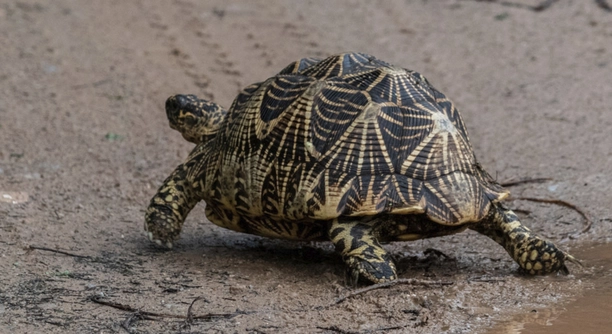
Many pet owners are curious about how to make their star tortoises more social and interactive. These creatures can be reserved, but there are ways to help them become more comfortable with you and their surroundings.
To encourage your star tortoise to be more social, create a calm, consistent environment. Ensure they have space to roam and interact with you daily. Positive reinforcement, like treats, can help build trust and comfort over time.
In the following sections, we will explore simple tips to help your star tortoise feel more relaxed and willing to engage with you.
Create a Safe and Calm Environment
Star tortoises are sensitive creatures, and a calm environment can help them feel secure. Start by ensuring their habitat is spacious and clean. A well-organized enclosure provides a sense of stability, reducing stress. You can use natural elements, like rocks and plants, which mimic their natural surroundings and make them feel more at ease. Avoid sudden loud noises or chaotic movements around their space as these can startle them and cause fear.
If you have other pets, make sure the tortoise’s area is free from interruptions. Giving your star tortoise space to explore and feel in control will build trust over time. By maintaining this peaceful environment, you set the stage for building a more social connection.
Regularly observing their behavior will also help you adjust to their comfort level. You’ll be able to recognize when they’re ready to engage and when they need some time alone. Slowly, with patience, they’ll start to trust you more.
Introduce Gradual Interaction
It’s important to approach your tortoise slowly. Avoid forcing interaction, as it can lead to stress and retreat.
Start by sitting quietly near your tortoise and letting it get used to your presence. Gradually extend your hand, but only if the tortoise shows curiosity. Avoid quick movements, which may scare it away. Keep the sessions brief at first to avoid overwhelming the tortoise.
Over time, your star tortoise will learn to associate you with positive experiences. Regularly spending time nearby without pushing for contact will help them feel safe enough to approach you. As the trust builds, you may notice them being more comfortable around you, slowly seeking out more interaction.
Positive Reinforcement and Rewards
Using rewards is a helpful technique for encouraging social behavior. Offering your star tortoise a treat, like fresh greens, can motivate it to come closer and associate you with positive experiences. Start with treats placed near your tortoise when it’s in a comfortable position. Over time, try offering the treats by hand. This helps your tortoise connect you with something pleasant, encouraging more frequent interactions.
Repetition is key in this process. Be patient and consistent, as your tortoise may not show immediate interest. If it doesn’t come to you right away, don’t worry. With time and persistence, your star tortoise will begin to trust you more. Avoid any sudden movements or loud noises when giving treats, as this could undo your progress.
The goal is to help your tortoise feel that it can approach you freely without fear, reinforcing a positive bond. Keep track of their progress and adjust your approach as needed.
Respect Your Tortoise’s Space
Understanding your star tortoise’s needs for space is essential to building trust. Tortoises are naturally solitary creatures and might need alone time to feel secure.
Ensure your tortoise has plenty of space to move around without feeling trapped. Overcrowding can make them feel stressed and lead to them becoming more withdrawn. If your star tortoise hides or stays in one corner for a while, respect that it may simply need some time to itself. Forcing interaction when they’re not ready can be counterproductive and slow down your progress.
Allowing them to roam freely within their enclosure promotes both mental and physical health. Keeping their environment stimulating yet calm will encourage them to interact more over time, making it easier for them to feel comfortable approaching you.
Handle Your Tortoise Gently
It’s important to handle your star tortoise with care. They’re fragile creatures, and harsh handling can cause stress. Always support their body fully when picking them up. Use both hands to hold them gently, making sure to avoid squeezing them. Handling them too roughly can cause them to feel threatened, which can slow down the socialization process.
Start with brief, calm interactions. Gently lift your star tortoise, keeping it close to the ground to avoid accidents. Keep the sessions short to prevent overwhelming them. Over time, as they grow used to your touch, they’ll begin to feel more comfortable in your hands. Slow and steady is key.
Avoid holding your tortoise for long periods, as this may cause distress. Let them walk around when they feel like it, and always watch for signs of stress. If your tortoise retreats into its shell, give it space. With regular gentle handling, they’ll become more accustomed to human touch.
Offer a Variety of Foods
Providing a variety of foods will help your star tortoise associate you with positive experiences. Star tortoises enjoy a range of greens, fruits, and vegetables. Offering different food options ensures that they get the necessary nutrients and keeps their interest in you alive. It also allows you to build a routine where they expect food when you approach.
When introducing new foods, ensure that they are safe and suitable for their diet. Avoid giving them foods that may cause digestive issues or aren’t suitable for their species. Offer treats like dandelion greens or hibiscus flowers, which are both healthy and enticing. Over time, this practice will help your tortoise associate you with something enjoyable.
Let them explore the food and eat at their own pace. Avoid forcing food into their mouths, as this may cause them to become fearful. Instead, place it in a spot where they can easily find it. As they get used to receiving meals from you, they’ll likely begin to approach you more eagerly.
Allow Time for Exploration
Tortoises are naturally curious, so giving them time to explore their environment can help them feel more comfortable. Let your star tortoise roam freely in a safe space, allowing it to discover its surroundings at its own pace. This builds confidence and reduces fear.
Exploration helps your tortoise become more familiar with you. As it moves around and discovers new areas, it may come closer to you, associating you with a relaxed environment. Make sure the space is free of obstacles that could harm your tortoise, and always supervise them during exploration.
Build Consistency in Routine
Consistency is important when it comes to socializing with your star tortoise. Keep feeding and interaction times regular so that your tortoise can predict when it will get attention. This routine helps build trust over time.
With a predictable schedule, your tortoise will start to look forward to seeing you at specific times. Over time, this consistency will encourage your star tortoise to seek out your company, knowing that you will provide food or attention regularly. Consistency leads to comfort and helps reduce any uncertainty.
Provide Proper Lighting and Heat
Proper lighting and heat are vital for your tortoise’s health. Star tortoises need a UVB light to help with calcium absorption and overall well-being. Ensure their habitat has the right temperature range to keep them active and comfortable.
If the environment is too cold or dark, your tortoise may become lethargic, which can hinder social interaction. Ensure the basking area is warm enough for your tortoise to relax and feel comfortable. This will encourage them to be more active and more likely to interact with you when they feel at ease.
FAQ
How can I tell if my star tortoise is stressed?
Signs of stress in a star tortoise can include hiding in its shell, decreased activity, or refusing to eat. If your tortoise retreats into its shell frequently or becomes more reclusive, it might be feeling threatened or overwhelmed. A stressed tortoise might also move less and seem lethargic. Pay attention to these behaviors and adjust its environment, ensuring that it has enough space, proper lighting, and a calm atmosphere. Also, avoid loud noises or sudden movements around them to help them feel more secure.
Can I handle my star tortoise every day?
It’s important not to handle your star tortoise too frequently. While it’s fine to interact with them daily, excessive handling can cause stress. Aim for short sessions, allowing them time to explore their environment without constantly being picked up. Over time, your tortoise will become more comfortable with gentle handling, but always be cautious not to overwhelm it. It’s best to keep handling sessions under 10 minutes and only increase the time gradually as your tortoise becomes more accustomed to your touch.
What should I do if my star tortoise refuses to eat?
If your star tortoise isn’t eating, it could be due to various reasons, such as stress, temperature issues, or diet changes. First, ensure their habitat is at the correct temperature and has proper UVB lighting. Check their food options and make sure they’re fresh and suitable for their diet. Sometimes, a lack of appetite can be a sign of illness, so if the refusal to eat continues for several days, it’s best to consult a veterinarian. Make sure to avoid giving them too many treats, as it could lead to them becoming picky.
How long does it take for a star tortoise to become social?
The timeline for a star tortoise to become more social can vary greatly. Some tortoises may take a few weeks to start feeling comfortable around their owners, while others may take months. Patience is key. Consistent, gentle interaction, a calm environment, and positive reinforcement can help speed up the process. Never rush the tortoise; allow it to set the pace for building trust. With time and proper care, your star tortoise will become more comfortable with you and may actively seek out interaction.
Can I let my star tortoise roam outside?
Yes, you can allow your star tortoise to roam outside, but only if the environment is safe. Be sure to supervise it at all times to prevent escape or harm from predators. The area should be free from harmful plants and chemicals. Make sure the temperature is suitable and that there are no hazards that could stress or injure your tortoise. If you’re in a location with extreme weather conditions, it’s best to avoid outdoor roaming altogether. Always ensure they have access to shade and water.
What is the best diet for a star tortoise?
A balanced diet for a star tortoise includes leafy greens, such as dandelion greens, collard greens, and romaine lettuce. They also enjoy vegetables like zucchini, squash, and carrots, as well as some fruits like strawberries or melons in moderation. Avoid feeding them high-protein foods, like meat or eggs, as this can cause health issues. Additionally, ensure your tortoise has access to calcium, either through supplements or naturally occurring in the food they eat. Fresh water should always be available, and occasional treats can help build a bond.
Why is my star tortoise not moving much?
If your star tortoise isn’t moving much, it could be due to a variety of factors. A common reason is that the temperature in its environment isn’t warm enough. Star tortoises are cold-blooded and need heat to stay active. Check the enclosure’s temperature to make sure it falls within the recommended range. Another reason for inactivity could be stress, so take a look at the environment for any potential stressors. If your tortoise continues to be lethargic despite improvements in its environment, it may be best to consult a veterinarian.
Can star tortoises live with other pets?
Star tortoises can live with other pets, but it’s essential to ensure they’re not stressed or threatened. Avoid housing them with pets that are known to be aggressive or curious in a way that could harm the tortoise, such as dogs or cats. Keep the tortoise’s enclosure separate and ensure that it has its own space. If you plan on introducing your star tortoise to another pet, do so slowly and under supervision, making sure that the environment remains calm and safe for your tortoise.
What is the ideal habitat for a star tortoise?
The ideal habitat for a star tortoise includes a spacious enclosure with proper lighting, heat, and humidity levels. The enclosure should have a basking area with a heat lamp to help your tortoise regulate its body temperature. A UVB light is also essential to help with calcium absorption. Ensure there’s enough space for the tortoise to roam and hide when needed. Use a substrate like coconut coir or a mix of sand and soil to mimic their natural environment. Provide rocks, plants, and other features that offer enrichment without overcrowding the space.
How can I help my star tortoise be more active?
To encourage more activity in your star tortoise, make sure their environment is well-lit and properly heated. A warm and sunny area helps them stay active and mobile. Offer a variety of areas to explore, including hiding spots and elevated surfaces. Let them roam in a safe, supervised outdoor space to encourage natural behaviors. Additionally, maintaining a consistent feeding schedule can help keep their energy levels up. If your tortoise still seems inactive despite proper care, consult a vet to rule out any underlying health issues.
Final Thoughts
Helping your star tortoise become more social is a gradual process that requires patience and consistency. These tortoises, like many other animals, need time to adjust to their environment and to build trust with their owners. By creating a calm and safe habitat, you can lay the foundation for positive interactions. Offering a variety of foods, being gentle during handling, and allowing them time to explore at their own pace are all important steps in making your tortoise feel comfortable with you. It’s crucial to remember that every tortoise is different, and some may take more time than others to become social.
The key to success in socializing your star tortoise is being attentive to its needs and watching for signs that it is ready to interact. It’s important to respect your tortoise’s boundaries. If it retreats into its shell or shows signs of stress, give it space. Forcing interaction can harm the trust you are trying to build. Over time, as the tortoise feels more comfortable and secure in its environment, it will likely start seeking more attention and interaction. Patience is essential, and trying to rush the process may have the opposite effect.
By following these tips and adjusting your approach based on your tortoise’s responses, you can build a positive relationship with your star tortoise. Whether it’s offering treats, providing opportunities for exploration, or gently handling them, each step will help encourage social behaviors. Your star tortoise’s trust in you will grow over time, and with that trust, you’ll be able to enjoy a more social and interactive pet. Ultimately, the bond you create will be rewarding for both of you, as you learn to understand each other and enjoy your time together.

Hello,
If you enjoy the content that we create, please consider saying a "Thank You!" by leaving a tip.
Every little bit helps us continue crafting quality advice that supports the health, happiness, and well-being of pets around the world, for pets of all shapes, sizes, and species.
We really appreciate the kindness and support that you show us!