
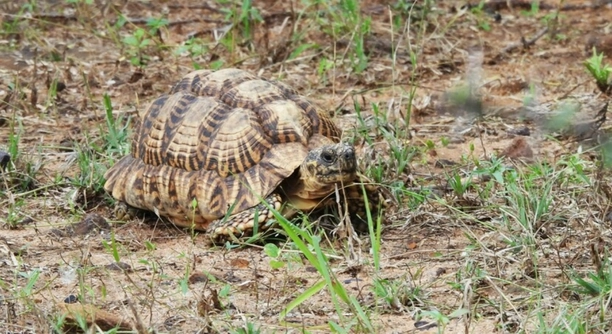
Do you ever find yourself setting up an enclosure for your star tortoise but struggling to find the perfect hideout?
Providing a suitable hideout is essential for a star tortoise’s well-being. The best options include wooden shelters, rock caves, half logs, and burrow-like structures. These hideouts offer security, maintain humidity, and help regulate temperature, ensuring a comfortable habitat.
From naturalistic designs to simple DIY solutions, different hideouts serve unique purposes in a tortoise’s enclosure. Understanding these options will help you create a safe and enriching space for your pet.
Wooden Shelters
Wooden shelters are a great choice for a star tortoise enclosure. They provide a natural look and a sturdy hiding place. Tortoises feel safe inside these shelters, reducing stress and promoting healthy behavior. Wood also helps maintain proper humidity levels, which is important for shell and skin health. Choosing untreated wood is essential, as some chemicals can be harmful. These shelters come in different shapes and sizes, making it easy to find the right fit for your tortoise. Placing the shelter in a shaded area ensures a cool retreat during warmer days.
Wooden shelters are easy to find and can be customized. You can build one using simple wooden boards, creating an entrance large enough for your tortoise to move freely. This allows for a personalized hideout that suits their needs.
Regular maintenance is important to prevent mold or rot. Keeping the wood dry and clean extends its lifespan. If the shelter absorbs too much moisture, it can become soft and break down over time. Cleaning it with a damp cloth and letting it dry completely helps maintain a safe environment. Adding hay or moss inside can make it cozier and more inviting. A well-maintained wooden shelter ensures a comfortable hiding space for your tortoise.
Rock Caves
Rock caves provide a sturdy and naturalistic hideout option. They blend well with the enclosure and offer a cool place for your tortoise to retreat. These hideouts help create a space that mimics their natural environment.
Natural stone retains temperature well, keeping the inside of the cave cooler during the day and slightly warmer at night. This temperature regulation is beneficial for your tortoise’s comfort. Smooth rocks should be used to prevent injuries. Pre-made rock caves are available at pet stores, but you can also create one using large, flat stones. Carefully stacking rocks to form a stable shelter ensures safety. Using non-toxic adhesive can keep the structure secure.
Placement matters when adding a rock cave to the enclosure. Positioning it in a shaded area prevents excessive heat buildup. If you live in a humid climate, keeping an eye on moisture levels inside the cave helps prevent mold growth. Cleaning the rocks occasionally ensures a safe and comfortable space.
Half Logs
Half logs create a simple and effective hiding place. They provide a natural look and give tortoises a secure space to retreat. These shelters allow proper airflow while still offering shade and protection from stress.
Choosing the right size is important. A half log should be large enough for your tortoise to move in and out comfortably but not so big that it feels too open. Placing it on a soft substrate helps prevent shifting. Some half logs are made from real wood, while others are synthetic. Wooden ones blend well into the enclosure, but they may absorb moisture. Synthetic options are easier to clean and last longer. Positioning the log in a shaded area ensures a cool retreat.
Regular cleaning prevents bacteria buildup. Brushing off dirt and wiping it with a damp cloth helps maintain hygiene. If using a wooden log, keeping it dry reduces the risk of mold. For extra comfort, adding moss or soft bedding inside makes it cozier. Checking for sharp edges or splinters ensures safety. Some tortoises may also enjoy climbing on top of the log, so securing it properly prevents tipping. A well-maintained half log offers a comfortable and durable hiding space.
Burrow-Like Structures
Creating a burrow-like structure mimics a tortoise’s natural habitat. These hideouts provide deep, enclosed spaces where tortoises feel secure. Digging into the substrate allows them to regulate their body temperature and avoid stress. Using soil or coconut fiber creates a soft and natural environment.
Burrows can be made in different ways. One option is to create a sloped area with a tunnel leading to a hidden space. Large PVC pipes or hollow logs work well for this. Covering the entrance with some loose substrate encourages natural digging behavior. The depth of the burrow should be enough for your tortoise to feel safe but not so deep that it collapses easily. Keeping it stable is important. Adding support with rocks or logs prevents shifting.
Maintaining a burrow requires occasional checks for stability and moisture control. If the substrate becomes too damp, it can lead to mold or an unhealthy environment. Replacing old material helps keep it clean. Making sure the burrow remains secure prevents accidental collapses. If your tortoise enjoys digging, providing additional soft substrate around the enclosure allows them to create their own hiding spots.
Terracotta Pots
Terracotta pots make durable and effective hideouts. Their sturdy material helps regulate temperature, keeping the inside cool during the day and warm at night. Laying a pot on its side creates an instant shelter, giving tortoises a secure space to rest.
Choosing the right size ensures comfort. The entrance should be wide enough for easy access but snug enough to feel enclosed. Smoothing rough edges prevents injury. Positioning the pot in a shaded area avoids excessive heat buildup. Keeping the inside dry reduces the risk of mold, making it a safe and long-lasting option.
Plastic Tunnels
Plastic tunnels are lightweight, easy to clean, and resistant to moisture. They provide a smooth and enclosed space where tortoises feel protected. Unlike wood or natural materials, plastic does not absorb humidity, reducing the risk of mold. Choosing non-toxic plastic ensures safety for your tortoise.
Natural Foliage Cover
Using natural foliage creates a soft and shaded hideout. Large leaves or low-growing plants help provide coverage. This option blends well with the enclosure, making the environment feel more natural. Choosing non-toxic plants ensures safety while giving tortoises a comfortable and secure hiding spot.
FAQ
How many hideouts should a star tortoise have?
A star tortoise should have at least two hideouts in its enclosure. This allows for options depending on temperature and comfort. One hideout should be placed in a cooler, shaded area, while another can be positioned in a slightly warmer spot. Having multiple hiding places reduces stress and ensures the tortoise always has a safe retreat. If the enclosure is large enough, adding more hideouts gives your tortoise variety and promotes natural behaviors like burrowing and exploring.
What is the best material for a tortoise hideout?
The best materials for a hideout are wood, stone, terracotta, or safe plastic. Wood provides a natural look and good insulation, while stone and terracotta help regulate temperature. Plastic tunnels are lightweight and moisture-resistant, making them easy to clean. Natural materials like logs or rock caves blend well with an outdoor enclosure. The key is to ensure the material is non-toxic, durable, and free from sharp edges that could harm your tortoise. Each material has benefits, so choosing based on climate, maintenance, and your tortoise’s preferences is ideal.
Do tortoises prefer enclosed or open hideouts?
Tortoises prefer hideouts that feel enclosed but not too tight. A space that allows them to fully fit inside while still being able to exit easily is best. Too much openness can make them feel exposed, while a hideout that is too small may be uncomfortable. Some tortoises enjoy burrowing deeper into their hideout, so adding loose substrate can make them feel more secure. If your tortoise avoids its hideout, adjusting the size or placement may help.
Where should I place the hideout in the enclosure?
Placing a hideout in a shaded, quiet area helps your tortoise feel safe. Avoid placing it directly under a heat lamp, as this can make the interior too warm. If possible, position one hideout in a cooler spot and another near a gentle heat source for temperature control. Outdoor enclosures should have hideouts in areas protected from direct sunlight and heavy rain. Ensuring easy access to the hideout helps your tortoise feel comfortable using it.
How often should I clean my tortoise’s hideout?
Cleaning depends on the material and how often your tortoise uses the hideout. Wooden shelters should be checked weekly for moisture buildup or mold. Rock caves and terracotta pots can be rinsed with water and dried in the sun to prevent bacteria growth. Plastic tunnels are the easiest to clean and can be wiped down regularly. Checking for waste, leftover food, or damp substrate inside the hideout prevents health issues. Keeping it dry and free of debris ensures a clean and safe space for your tortoise.
Can I make a DIY hideout for my star tortoise?
A DIY hideout is a great option if you want a customized space. Simple materials like untreated wooden boards, large PVC pipes, or overturned plant pots work well. Cutting an entrance large enough for your tortoise to enter comfortably is important. Ensuring the structure is stable prevents any risk of collapsing. If using natural materials like logs or rocks, securing them in place keeps the hideout safe. Adding soft bedding inside makes it more inviting. A homemade hideout allows you to tailor the size and shape to fit your tortoise’s needs.
Do hideouts need bedding inside?
Bedding inside a hideout is optional but can add comfort. Soft materials like coconut fiber, hay, or sphagnum moss create a cozy environment. In cooler temperatures, bedding helps retain warmth. However, it’s important to check for mold or dampness, especially in humid climates. Some tortoises prefer bare surfaces, so observing your pet’s behavior can help determine if bedding is needed.
What if my tortoise never uses its hideout?
If your tortoise avoids its hideout, the placement, size, or material may need adjustment. Some tortoises prefer more enclosed spaces, while others like larger, more open shelters. Moving the hideout to a quieter area can make it more appealing. Checking for drafts, excessive heat, or bright lights near the hideout can also help. Adding soft bedding or a small amount of loose substrate inside may encourage use. If your tortoise still doesn’t use it, providing alternative hiding spots with plants or burrow-like structures can be beneficial.
Final Thoughts
Providing the right hideout for your star tortoise is essential for its comfort and well-being. A good hiding spot helps reduce stress, regulate body temperature, and create a sense of security. Whether you choose wooden shelters, rock caves, half logs, or other options, each type offers unique benefits. The key is selecting a hideout that suits your tortoise’s size, enclosure setup, and climate. A combination of different hideouts can give your tortoise variety, making the enclosure feel more natural and enriching. Ensuring proper placement, stability, and cleanliness keeps the hideout safe and inviting.
Observing your tortoise’s behavior can help determine what type of hideout works best. Some tortoises prefer enclosed spaces, while others enjoy more open shelters with soft bedding. If your tortoise does not use a hideout, adjusting its location or size may encourage it to feel more comfortable. Regular maintenance, such as cleaning and checking for moisture buildup, prevents potential health issues. Using safe, non-toxic materials is important, especially when making DIY hideouts. Adding plants, shaded areas, or burrowing spaces can further enhance the enclosure, giving your tortoise multiple options for resting and hiding.
A well-designed enclosure with the right hideouts provides a secure and stress-free habitat for your star tortoise. By offering a variety of shelters, keeping them clean, and ensuring they are properly placed, you can create a comfortable and enriching environment. Every tortoise has different preferences, so small adjustments may be needed to find the perfect setup. Providing a safe and well-maintained hideout helps your tortoise feel at ease, promoting natural behaviors and overall well-being.

Hello,
If you enjoy the content that we create, please consider saying a "Thank You!" by leaving a tip.
Every little bit helps us continue crafting quality advice that supports the health, happiness, and well-being of pets around the world, for pets of all shapes, sizes, and species.
We really appreciate the kindness and support that you show us!