
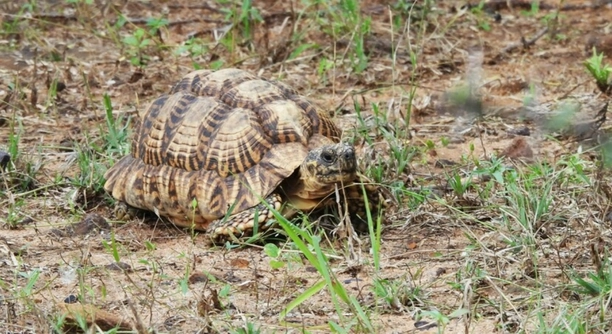
Is your star tortoise sluggish and weak after waking up from hibernation? Post-hibernation recovery is a crucial period that requires careful attention to ensure your tortoise regains its strength, stays hydrated, and returns to normal activity levels.
The best way to help your star tortoise recover after hibernation is by gradually rehydrating it, providing a warm environment, and offering nutritious food. Monitoring its weight and behavior is essential to detect any health concerns early.
Proper post-hibernation care helps your tortoise regain energy and prevents potential complications. From hydration to diet adjustments, understanding these key steps will make the recovery process smoother and more effective.
Check for Signs of Dehydration
After hibernation, your star tortoise may be dehydrated, making it essential to rehydrate as soon as possible. A warm soak in shallow water helps replenish lost fluids and stimulates appetite. Ensure the water level is low enough to prevent drowning, and supervise your tortoise closely. Soaking for 15–20 minutes daily for the first few days is beneficial. Dry your tortoise afterward to avoid respiratory infections. Dehydration can cause sunken eyes, wrinkled skin, and reduced activity. If your tortoise refuses to drink or shows signs of severe dehydration, consult a reptile veterinarian.
A well-hydrated tortoise will become more active and alert. Providing fresh water daily and offering moisture-rich foods like cucumber or watermelon can further support hydration. Keeping humidity levels stable in their enclosure also prevents excessive water loss.
Rehydration is an important first step in post-hibernation care. Once your tortoise starts drinking and moving around more, you can focus on adjusting its diet and monitoring its overall health.
Provide a Warm and Stable Environment
Temperature regulation is key for your tortoise’s recovery. Keeping the enclosure warm helps stimulate digestion and activity levels, reducing post-hibernation stress. A cool environment can slow recovery and lead to health complications.
Ensure the basking area is between 90–95°F, while the cooler side remains around 75°F. A heat lamp or ceramic heater helps maintain these temperatures. At night, avoid drastic temperature drops, as this can affect metabolism. Using a thermostat ensures stability. If your tortoise is kept outdoors, make sure it has access to both sunny and shaded spots.
A warm environment encourages eating and movement. Without proper heating, digestion slows, leading to loss of appetite and weight. Using UVB lighting for 10–12 hours daily also supports vitamin D3 production, preventing metabolic bone disease. Regularly check the enclosure temperature with a thermometer to ensure a stable setup.
Encourage Eating with Nutritious Foods
Your star tortoise may have a reduced appetite after hibernation. Start by offering soft, hydrating foods like lettuce, cucumber, or soaked pellets. These are easier to digest and provide necessary moisture. Avoid dry or hard foods initially, as they may be difficult to eat.
Once your tortoise starts eating, introduce high-fiber greens like dandelion leaves, collard greens, and hibiscus flowers. These support digestion and provide essential nutrients. Calcium is important for shell and bone health, so dust food with calcium powder a few times per week. Avoid fruits, as too much sugar can upset digestion. If your tortoise refuses food for more than a week, consult a vet.
Providing variety keeps your tortoise interested in food. Leafy greens, flowers, and occasional vegetables help maintain a balanced diet. Hydration also plays a role in appetite, so continue daily soaks. Keep food fresh and remove uneaten portions promptly.
Monitor Weight and Activity Levels
Weighing your tortoise weekly helps track recovery progress. A healthy weight gain indicates proper hydration and nutrition. If weight loss continues, check for underlying issues like dehydration, parasites, or improper temperatures. Keeping a record makes it easier to notice changes early and adjust care as needed.
A slow, steady increase in activity shows improvement. Lethargy, lack of appetite, or excessive hiding may signal problems. Observe movement patterns and reactions to food and heat. If your tortoise remains inactive despite proper conditions, a vet visit may be necessary. Some post-hibernation sluggishness is normal, but prolonged inactivity can indicate health concerns.
Encouraging movement helps speed up recovery. Offering an enriched environment with climbing opportunities, hiding spots, and a spacious enclosure keeps your tortoise engaged. A proper setup mimics natural conditions, reducing stress and promoting overall well-being.
Check for Signs of Illness
Look for swollen eyes, nasal discharge, or breathing issues, as these could indicate respiratory infections. Soft spots on the shell may signal metabolic bone disease. If you notice any abnormalities, consult a reptile vet immediately to prevent the condition from worsening. Early detection is crucial for successful treatment.
Watch for diarrhea, undigested food, or lack of bowel movements, as these can indicate digestive problems. Parasites may also be a concern if your tortoise loses weight despite eating well. Regular monitoring helps catch health issues early, ensuring a smoother recovery after hibernation.
Maintain Proper Hydration and Humidity
Hydration plays a major role in digestion and energy levels. Provide a shallow water dish at all times, changing the water daily. Spraying the enclosure lightly with water can also help maintain humidity, preventing dehydration. Daily soaks continue to be beneficial in the first few weeks post-hibernation.
Offer Gentle Stimulation
Encouraging movement speeds up recovery. Place food slightly farther away to promote activity. Creating different textures in the enclosure, like rocks and logs, keeps your tortoise engaged. Providing natural light and fresh air, when possible, helps regulate energy levels and improves overall well-being.
FAQ
How long should I wait before offering food after my star tortoise wakes up from hibernation?
Wait about 3 to 5 days after your star tortoise wakes up before offering food. This gives it time to fully rehydrate and adjust to its surroundings. Start with soft, moisture-rich foods like lettuce or cucumber. Gradually introduce a wider variety of greens as your tortoise becomes more active.
What signs should I look for to know if my tortoise is dehydrated?
Signs of dehydration include sunken eyes, dry or wrinkled skin, and reduced activity. Your tortoise may also be less responsive or refuse food. To help, offer daily soaks in shallow, warm water for 15 to 20 minutes. Keep an eye on its behavior and weight.
Can my tortoise recover too quickly after hibernation?
It’s important to let your tortoise recover slowly and naturally. Pushing it too hard to eat or be active can cause stress. Ensure that the temperature and humidity are right, and provide easy access to food and water. Slow recovery is better than rushing the process.
What temperature should I keep my star tortoise’s enclosure after hibernation?
Keep the basking area between 90–95°F and the cooler side of the enclosure at about 75°F. A consistent temperature helps your tortoise recover and resume normal activity levels. Avoid sudden temperature fluctuations that can stress the animal and slow recovery.
How can I tell if my star tortoise is suffering from a respiratory infection?
If your tortoise has nasal discharge, wheezing, or labored breathing, it could have a respiratory infection. Other symptoms include swollen eyes or a lack of appetite. Early treatment is important, so if these signs appear, take your tortoise to a reptile vet.
How do I encourage my tortoise to eat after hibernation?
Start by offering soft, moisture-rich foods like lettuce, cucumber, and soaked pellets. These are easier to eat and digest after hibernation. Once your tortoise starts eating, gradually add more nutritious greens, such as collard greens, dandelion leaves, and hibiscus flowers, to its diet.
How much water does my tortoise need during recovery?
During recovery, your tortoise will need plenty of water to rehydrate. Provide fresh water at all times and soak it daily for 15–20 minutes, especially in the first week after hibernation. Keeping the humidity in the enclosure at the right level will also help.
Can I feed my tortoise fruits after hibernation?
Avoid feeding fruits immediately after hibernation, as they are high in sugar and may upset your tortoise’s digestive system. Stick with leafy greens and vegetables initially, and introduce fruits slowly once your tortoise starts eating regularly. Fruits should only be given as occasional treats.
How do I know if my tortoise has gained enough weight after hibernation?
Weigh your tortoise weekly and track its progress. A healthy weight gain should be gradual, but if it continues losing weight or is very lethargic, you may need to adjust its diet or care routine. Consult a vet if weight loss persists after a few weeks.
Should I take my star tortoise to the vet after hibernation?
It’s a good idea to take your tortoise to the vet for a check-up after hibernation, especially if it shows signs of illness or slow recovery. A vet can check for any underlying health issues, such as dehydration, parasites, or respiratory infections, and give you advice on care.
Can my tortoise return to outdoor living after hibernation?
You can return your tortoise to outdoor living once the weather is warm enough and it is fully recovered. Make sure the outdoor habitat has a suitable basking spot and enough shade. Monitor your tortoise closely for the first few weeks to ensure it’s adjusting well.
Is it normal for my tortoise to be sluggish after hibernation?
It’s normal for your tortoise to be a bit sluggish at first after hibernation. Give it time to adjust to its environment. Provide the right temperatures, hydration, and food to help it regain energy. If sluggishness persists, it could be a sign of a health issue.
What do I do if my tortoise isn’t eating after hibernation?
If your tortoise isn’t eating after a few days of waking up, ensure the environment is warm enough, and check the humidity levels. Offer a variety of fresh, easy-to-eat foods. If your tortoise still refuses to eat after a week, consider consulting a vet to rule out any underlying issues.
Can I handle my tortoise after hibernation?
It’s best to avoid handling your tortoise too much right after hibernation. This can be stressful and delay recovery. Let your tortoise adjust to its surroundings first before gently introducing short handling sessions. Focus on providing a safe, calm, and warm environment for optimal recovery.
How long does it take for a tortoise to fully recover from hibernation?
Recovery time varies depending on the tortoise, but generally, it can take 2–4 weeks to fully recover from hibernation. During this time, monitor hydration, eating habits, weight, and activity levels. Keep the environment stable and offer plenty of time for rest and adjustment.
Should I use UVB light after hibernation?
Yes, UVB light is crucial for your tortoise’s health, especially after hibernation. It helps regulate calcium metabolism and prevents metabolic bone disease. Ensure the UVB light is on for 10–12 hours a day, even during recovery, to help your tortoise regain strength.
What are common post-hibernation problems in tortoises?
Common post-hibernation issues include dehydration, respiratory infections, and digestive problems. Lethargy, weight loss, and a lack of appetite are also possible. Keeping the enclosure environment correct, monitoring weight and health, and offering proper nutrition are key to preventing these problems.
How can I ensure my tortoise doesn’t become overweight after recovery?
After recovery, continue offering a balanced diet with plenty of greens and monitor portion sizes. Avoid overfeeding fruits or high-calcium foods, as excess nutrients can lead to weight gain. Keep your tortoise active by providing an enriched environment to encourage movement and prevent obesity.
Final Thoughts
Helping your star tortoise recover after hibernation requires patience and attention to detail. During this time, it’s important to ensure that your tortoise has a warm and stable environment, proper hydration, and a gradual return to eating. Start by offering soft, hydrating foods and provide a warm soak to encourage hydration. Monitor your tortoise’s weight and activity levels closely to track its recovery. A slow, steady recovery is key, so don’t rush the process. It’s important to remember that each tortoise is different, and their recovery time can vary, but with the right care, most tortoises will regain their energy and appetite after a few weeks.
The process of waking up from hibernation can be a stressful time for your star tortoise. Ensuring that they have access to both warmth and appropriate humidity helps them regain their strength. A healthy, balanced diet will support recovery, and offering a variety of foods will keep your tortoise interested and nourished. It’s best to avoid offering too many fruits initially, as they can upset the digestive system. Sticking to leafy greens and vegetables is a safer choice in the beginning. Once your tortoise has fully adjusted, you can start adding fruits back into its diet in moderation.
Above all, paying attention to small changes in your tortoise’s behavior is essential. If your star tortoise is sluggish, refuses to eat, or shows any signs of illness, it’s important to seek advice from a reptile vet. Early detection and treatment can prevent any long-term health issues. With proper care and monitoring, your tortoise will gradually return to its active and healthy state, ready to enjoy the warmer months. Whether it’s rehydrating, adjusting its diet, or ensuring a proper environment, these steps will help guide your star tortoise through the recovery process smoothly and effectively.

Hello,
If you enjoy the content that we create, please consider saying a "Thank You!" by leaving a tip.
Every little bit helps us continue crafting quality advice that supports the health, happiness, and well-being of pets around the world, for pets of all shapes, sizes, and species.
We really appreciate the kindness and support that you show us!