
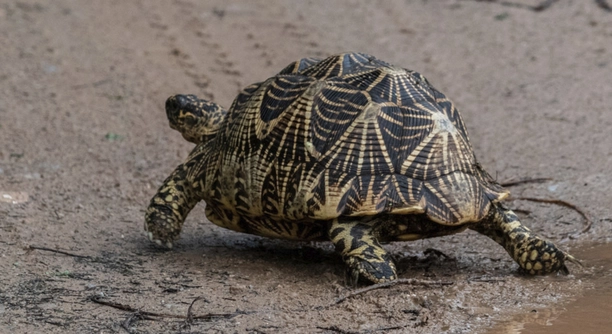
Has your star tortoise stopped eating, leaving you worried? A change in appetite can be concerning, but it’s a common issue that many pet owners face. In this article, we’ll explore the possible reasons and solutions.
A variety of factors can cause your star tortoise to ignore its food, such as stress, improper diet, or environmental conditions. It’s important to evaluate their habitat, health, and feeding routine to determine the root cause of the issue.
By considering a few simple adjustments, you can help your tortoise get back to eating. Let’s look at some effective solutions to encourage your star tortoise to start enjoying its meals again.
Stress and Anxiety
Stress can have a huge impact on your star tortoise’s appetite. It may stop eating if it feels threatened or uncomfortable. Things like sudden changes in its environment, loud noises, or even the presence of other pets can make your tortoise anxious. These stresses can cause a loss of appetite. If your tortoise is showing signs of stress, like hiding more or moving less, this is a clear sign that it’s not feeling safe.
If stress is the issue, providing a quiet and secure space for your tortoise is key. Keep its enclosure in a calm area of the house, away from loud noises or disturbances. Avoid handling it too often, and give it time to adjust to its surroundings. If your tortoise has been stressed for a while, it may take some time for its appetite to return to normal.
Along with reducing stress, consider the temperature in your tortoise’s enclosure. A fluctuating temperature can also cause discomfort, leading to a lack of appetite. Make sure its habitat has a proper heat gradient and that it can move between cooler and warmer areas as needed.
Improper Diet
If the food offered doesn’t meet your tortoise’s dietary needs, it may ignore it completely. A balanced diet is important, and sometimes, changing the food can help. Ensure that you provide fresh, appropriate vegetation for your star tortoise. Offering too many fruits or foods with high moisture content may not meet its nutritional needs. Stick to leafy greens and avoid too much variety that could confuse your tortoise.
Changing up the types of vegetables can also stimulate interest in food. However, always ensure the food is safe and suitable for a star tortoise, as some plants can be harmful. Having a consistent feeding schedule will also help, as tortoises thrive on routine.
Habitat Conditions
A poorly maintained habitat can lead to health issues, which may cause your tortoise to stop eating. Ensure your tortoise has the right conditions for both its diet and digestion. The lighting in its enclosure should mimic natural sunlight to support its metabolism and overall health. UVB light helps in the production of vitamin D3, which is essential for calcium absorption.
Humidity is another important factor. If the environment is too dry or too damp, your star tortoise may not feel comfortable enough to eat. Regularly check humidity levels to ensure they stay within a safe range, as fluctuations can cause stress.
A clean and well-maintained enclosure will help reduce the risk of infections or illness, both of which can affect your tortoise’s appetite. Consider doing a full habitat inspection to rule out any issues with the environment that could be influencing its food intake.
Illness or Health Issues
Health problems can prevent your star tortoise from eating. If it’s lethargic, has swollen eyes, or shows signs of a runny nose, it could be sick. Any changes in behavior like hiding more than usual or abnormal movement should also raise concern. Illnesses like respiratory infections, parasites, or metabolic bone disease can cause a loss of appetite.
If you notice signs of illness, it’s best to consult a vet who specializes in reptiles. They will help diagnose any issues and suggest appropriate treatments. In some cases, your tortoise may need medications or other forms of care to recover its appetite.
It’s also important to check for any physical injuries. Sometimes, a tortoise may stop eating due to pain or discomfort from a wound or injury. If your tortoise isn’t moving as it usually does, examine its body carefully. A vet can provide the necessary treatments to help your tortoise heal.
Environmental Temperature
Temperature plays a huge role in a tortoise’s health and eating habits. If the enclosure is too cold or too hot, your star tortoise might not feel like eating. Tortoises are ectothermic, meaning their body temperature depends on their environment. If they can’t regulate their body temperature properly, it can affect their digestion and appetite.
Make sure your tortoise has access to a temperature gradient. This means having both warmer and cooler areas in the enclosure. The warm side should be around 85-90°F (29-32°C), while the cooler side should be around 70-75°F (21-24°C). A proper heat source like a heat lamp can help create these conditions.
If the temperature isn’t right, your tortoise may become sluggish or refuse food. Monitor the temperature regularly and adjust as needed to make sure your tortoise remains comfortable and its digestive system functions properly. Consistency in temperature is key to keeping your tortoise healthy.
Overfeeding
Overfeeding can lead to a lack of interest in food. If your star tortoise is already full or has eaten too much in one sitting, it may not be hungry for its next meal. It’s important to feed it in proper portions.
Instead of offering large amounts of food at once, provide smaller portions regularly. Monitor how much your tortoise eats to avoid overfeeding. Adjust the amount based on its activity level and size. Stick to a feeding routine to help regulate appetite and ensure your tortoise stays healthy.
Lack of Variety
Offering the same food every day can make your tortoise bored with its meals. A lack of variety can lead to a loss of appetite, as tortoises prefer different textures and flavors. Regularly changing the vegetables you offer will keep things interesting.
Try rotating a variety of safe greens and vegetables like dandelion greens, collard greens, or cactus pads. Avoid offering too many fruits or high-moisture foods, as they can upset your tortoise’s stomach. Adding different textures will also stimulate its interest in food and make meals more enjoyable.
Lighting
Proper lighting is essential for your star tortoise’s health and appetite. Without adequate UVB light, it may have trouble absorbing calcium, which could lead to appetite loss. Make sure the UVB light is strong enough and properly positioned in the enclosure.
Tortoises need exposure to UVB light for about 10-12 hours a day to stay healthy. A lack of sufficient lighting can lead to lethargy and loss of appetite. Ensure the light is within the recommended range for your tortoise’s species. Replacing the bulb every 6 months can help keep the light effective.
FAQ
Why is my star tortoise not eating?
There are several reasons why your star tortoise might not be eating. Common factors include stress, improper temperature, illness, or even dietary issues. It’s essential to assess its environment and health closely. Make sure the habitat is calm, at the right temperature, and that the diet is suitable for its needs. If the issue persists, a vet visit might be necessary to rule out any health problems.
How do I know if my star tortoise is stressed?
Signs of stress in a star tortoise include hiding more than usual, excessive pacing, or trying to escape the enclosure. It might also stop eating or become lethargic. If you notice these behaviors, try to reduce disturbances around its habitat. Ensure the environment is calm, quiet, and secure, and make sure it isn’t being handled too often.
What temperature should my star tortoise’s enclosure be?
A proper temperature gradient is vital. The warm side of the enclosure should be between 85-90°F (29-32°C), while the cooler side should stay between 70-75°F (21-24°C). This allows the tortoise to regulate its body temperature and digestive system. Use a reliable thermometer to monitor the conditions and adjust accordingly to ensure your tortoise is comfortable.
Can my star tortoise eat too much?
Yes, overfeeding can cause a lack of interest in food. Tortoises will stop eating when they feel full, and large portions can lead to digestive issues. It’s best to offer appropriate portions, based on the size and activity level of your tortoise. If you are unsure, start with smaller meals and gradually increase the amount as needed. Monitor their eating habits to avoid overfeeding.
What is the best diet for a star tortoise?
A star tortoise’s diet should consist mainly of leafy greens like dandelion greens, collard greens, and mustard greens. You can occasionally offer other vegetables like bell peppers and squash. Limit high-moisture foods like fruits, as they can cause digestive problems. Ensure that the food is fresh and clean, and avoid overfeeding with a single type of food.
How can I encourage my star tortoise to eat?
To encourage your star tortoise to eat, try offering a variety of safe, fresh vegetables. Sometimes, changing the texture or the type of food can spark their interest. Keep their enclosure clean, with access to UVB lighting and proper temperature. If needed, offer food at different times of day and avoid disturbing your tortoise during feeding time.
Why isn’t my star tortoise eating its food?
If your tortoise isn’t eating its food, it could be due to factors like stress, improper environmental conditions, or even health issues. Check if the habitat is too hot, cold, or noisy, and make sure your tortoise is receiving the right nutrition. If the problem persists, consider a check-up with a vet.
How long can a star tortoise go without eating?
A healthy star tortoise can typically go without food for a few days to a week, depending on its age and condition. However, prolonged refusal to eat could indicate a serious health issue. It’s essential to monitor its behavior and environment. If the refusal to eat lasts for more than a few days, consult a veterinarian.
How can I prevent my star tortoise from becoming dehydrated?
Ensure your tortoise has access to fresh water at all times. You can also offer water-rich vegetables like cucumber or watermelon to help keep your tortoise hydrated. A shallow water dish in its enclosure will allow it to drink as needed. Be cautious not to let the water get too dirty, as this can cause health problems.
Should I be concerned if my star tortoise is not eating during the winter?
During the winter months, it’s natural for some tortoises to eat less. Their metabolic rate slows down as the temperature drops, which can reduce their appetite. However, ensure that your tortoise is still receiving adequate warmth and UVB light to stay healthy. If your tortoise is refusing food for an extended period, consult a vet.
Can a lack of UVB light affect my star tortoise’s appetite?
Yes, UVB light is crucial for your tortoise’s health. Without it, your star tortoise may have trouble absorbing calcium, leading to a loss of appetite, weakness, or other health issues. Make sure your tortoise has access to proper UVB lighting for 10-12 hours daily. Regularly replace the bulb to ensure effective lighting.
How can I tell if my star tortoise is sick?
If your star tortoise isn’t eating, is lethargic, or shows signs like nasal discharge or swollen eyes, it could be sick. Other symptoms include wheezing, coughing, or abnormal shell growth. If you notice any of these signs, consult a reptile veterinarian to get a proper diagnosis and treatment plan.
Final Thoughts
A star tortoise not eating can be concerning, but it’s important to remember that there are many possible reasons for this behavior. It might be something as simple as stress or changes in its environment, such as temperature fluctuations or unfamiliar sounds. Your tortoise could also be facing issues related to its diet, like overfeeding or a lack of variety. All of these factors can play a role in whether or not your star tortoise feels comfortable enough to eat. Identifying the underlying cause is key to resolving the issue and helping your tortoise return to its normal eating habits.
If you suspect that stress is the cause, ensure that your tortoise’s living area is calm and secure. Keep it in a quiet space away from other pets or loud noises. Make sure the enclosure provides the right temperature gradient, as well as proper lighting and humidity levels. A consistent routine can help reduce stress, as tortoises often feel more secure when they know what to expect. If your star tortoise seems stressed, giving it time to adjust might be the solution, but always keep an eye on its health and behavior.
In more serious cases, like illness or health problems, seeking veterinary care is necessary. If you notice signs like swelling, lethargy, or a lack of movement, a vet can diagnose and treat the problem. Maintaining your tortoise’s habitat, diet, and health properly will help prevent future issues. With the right attention and care, your star tortoise should start eating again soon. Keeping a balance of all these factors is essential for its well-being and longevity.

Hello,
If you enjoy the content that we create, please consider saying a "Thank You!" by leaving a tip.
Every little bit helps us continue crafting quality advice that supports the health, happiness, and well-being of pets around the world, for pets of all shapes, sizes, and species.
We really appreciate the kindness and support that you show us!