
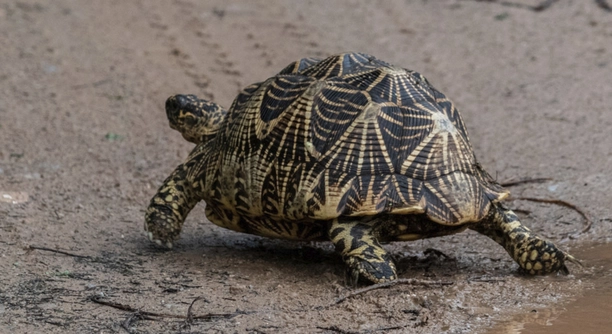
A star tortoise is a unique and fascinating pet, but sometimes they can experience digestive issues. Recognizing the signs early can help keep them healthy and comfortable.
If your star tortoise is struggling with digestion, they may exhibit certain signs such as loss of appetite, lethargy, or abnormal stool. These symptoms are commonly linked to digestive problems and require attention to avoid further complications.
By noticing subtle changes in their behavior, you can better understand their health needs. We’ll cover key signs to watch out for and what steps to take next.
Loss of Appetite
A star tortoise that suddenly refuses to eat is often a sign of a digestive issue. Tortoises are usually good eaters, so a change in appetite can indicate discomfort. There could be several reasons for this, such as a buildup of waste, constipation, or even an infection. When their digestion is off, they might not feel hungry or comfortable enough to eat their regular meals. It’s important to observe whether the loss of appetite lasts for more than a day or two, as prolonged lack of eating could lead to further health problems.
If your tortoise isn’t eating for an extended period, it’s best to seek a veterinarian’s advice. Sometimes, a minor issue might resolve itself, but more serious conditions like parasites or a gastrointestinal blockage may need medical treatment. Early intervention can help prevent further complications and give your tortoise a better chance at recovery.
Maintaining a balanced diet and ensuring your tortoise has access to fresh food is key. If the behavior continues, it’s essential to investigate other symptoms to rule out other potential digestive issues. The sooner you can act, the better their chances of recovery.
Lethargy and Reduced Activity
When a star tortoise becomes lethargic, it can indicate a digestive problem. Normally, these tortoises are quite active, so a sudden drop in their energy levels can be concerning. This lack of movement may be related to discomfort from digestive issues, such as bloating or constipation.
Tortoises may become less active as they struggle to digest their food properly, which can lead to both physical and mental distress. This inactivity may also stem from dehydration, which often accompanies poor digestion. Keeping your tortoise hydrated and maintaining proper environmental conditions can help alleviate some of these issues. However, if lethargy persists, a veterinary checkup is crucial to rule out infections or other internal issues affecting digestion.
Ensuring that your tortoise gets the proper nutrients and enough water will help improve their overall well-being. If lethargy continues despite these efforts, consider seeking medical advice to avoid long-term health complications. Regular care and observation can go a long way in keeping your pet happy and healthy.
Abnormal Stool
Changes in your tortoise’s stool are often a clear sign of digestive trouble. Healthy stool should be solid and easy to clean. If you notice watery, foul-smelling, or unusually dry stool, it could mean your tortoise is having difficulty digesting food properly. This can lead to dehydration or other issues if not addressed.
The color of the stool can also give important clues. Greenish or brown stools are typical, but if it looks white or too light, it may indicate an imbalance in their diet or digestive system. If the stool changes significantly in consistency or color for a few days, this is a clear red flag.
If abnormal stool persists, take your tortoise to a vet for a check-up. Your veterinarian can help identify any underlying issues such as infections, parasites, or gastrointestinal disorders. Addressing these problems early will prevent them from escalating and potentially causing more serious health concerns.
Swelling or Bloating
Bloating in a star tortoise can be a direct sign of digestive distress. If you notice your tortoise’s shell appears swollen or distended, they may be suffering from gas buildup or constipation. This can happen when food is not moving through their system properly.
Swelling can cause discomfort and may make your tortoise appear sluggish or unwilling to move. In more severe cases, it could result in pain, loss of appetite, or difficulty breathing. If swelling lasts for more than a day, it’s important to seek veterinary help. Early treatment can help ease the discomfort and prevent complications.
A proper diet with fiber-rich foods, such as grasses and leafy greens, can help prevent bloating. Additionally, maintaining the right humidity and temperature levels will aid digestion. If bloating continues, consider changing your tortoise’s feeding schedule or type of food.
Lack of Hydration
If your star tortoise isn’t drinking enough water, it can affect their digestion. Dehydration can lead to constipation and discomfort, making it harder for them to pass waste. Keeping their water bowl clean and fresh daily can encourage drinking.
A well-hydrated tortoise is better able to process food, and it supports overall health. Dehydration can also cause lethargy, so it’s essential to monitor their water intake. If your tortoise isn’t drinking, you can try soaking them in shallow water to encourage hydration.
Poor Shell Growth
Slow or stunted shell growth can be another sign of digestive issues. A healthy star tortoise should show consistent shell development. If growth seems uneven or halted, it may indicate a problem with nutrient absorption.
Shell growth is directly tied to the nutrients they absorb from their food. Poor digestion can prevent proper nutrition, leading to an unhealthy shell. Provide a balanced diet and avoid overfeeding, as both can negatively affect shell growth. If you notice any issues, consult a vet to address the cause.
Vomiting or Regurgitation
Vomiting or regurgitation can happen if your tortoise is having trouble digesting food properly. This can be caused by eating too much or too quickly, but it could also be a sign of more serious digestive issues, such as infections or parasites.
FAQ
What are the common signs of digestive issues in star tortoises?
Common signs of digestive problems in star tortoises include loss of appetite, lethargy, abnormal stool, bloating, and changes in their shell growth. These symptoms can indicate issues such as constipation, dehydration, or infections. Monitoring your tortoise’s behavior and health regularly is essential for early detection.
How can I prevent digestive problems in my star tortoise?
Providing a proper diet with fiber-rich foods like grasses, leafy greens, and appropriate fruits can help keep your tortoise’s digestion healthy. Make sure they have access to fresh water at all times. Also, maintaining proper temperature and humidity levels is crucial for their overall health, including digestion.
Can I feed my star tortoise human food?
It’s best to avoid feeding your star tortoise human food, as many foods we consume can be harmful to them. Foods like dairy, processed sugars, or salty foods can disrupt their digestion. Stick to tortoise-safe foods such as dark leafy greens, grasses, and some fruits in moderation.
What should I do if my tortoise is not eating?
If your tortoise refuses to eat for more than a couple of days, it may be a sign of a digestive issue. Check their environment, as improper temperatures or humidity can affect appetite. If the issue persists, a visit to the vet is advised to rule out underlying health problems.
How often should I feed my star tortoise?
Star tortoises generally need to be fed every other day or three to four times a week. A consistent feeding schedule with the right types of food can help maintain their digestive health. Overfeeding can lead to obesity or other digestive problems, so portion control is important.
Can dehydration cause digestive issues in my tortoise?
Yes, dehydration can contribute to constipation and other digestive problems. Without enough water, a tortoise’s digestive system slows down, making it harder to process food. Make sure your tortoise has access to clean water daily and consider soaking them in shallow water to encourage hydration.
What are the best foods to promote healthy digestion in star tortoises?
Fiber-rich foods like dandelion greens, clover, and grasses are great for promoting healthy digestion. Dark leafy greens like kale and collard greens are also good options. Avoid overfeeding high-protein foods like lettuce, as it can cause digestive upset. A varied diet ensures your tortoise gets the nutrients they need for digestion.
How do I know if my star tortoise is bloated?
A bloated star tortoise may have a visibly distended or swollen abdomen. Their shell might appear puffed out, and they may show signs of discomfort, such as lethargy or reluctance to move. If bloating occurs, it could be due to constipation or gas buildup, requiring a vet visit for treatment.
Should I be worried if my tortoise’s stool changes color?
Changes in stool color can indicate a digestive problem. For example, green or brown stools are normal, but white or pale-colored stools might suggest a nutrient imbalance. If the stool is consistently abnormal, or if your tortoise is showing other signs of illness, it’s best to consult a vet.
How do I keep my tortoise’s environment suitable for digestion?
To keep your tortoise’s environment ideal for digestion, maintain proper temperature and humidity levels. Star tortoises need a basking spot with temperatures between 85-90°F and a cooler area between 70-75°F. Adequate humidity (around 50-60%) helps with digestion and overall health.
Is it normal for a star tortoise to be inactive at certain times of the year?
Yes, star tortoises, like many reptiles, may experience reduced activity during colder months. They may slow down and eat less, especially if they are in a location with changing temperatures. However, prolonged inactivity or lack of appetite can still indicate health issues and should be monitored closely.
What can I do to help my star tortoise pass stool?
If your tortoise is constipated, increasing their hydration and providing fiber-rich foods can help. You can also soak them in shallow, warm water for about 15-20 minutes to encourage stool passage. If constipation continues, a veterinarian may need to intervene with treatment.
Can stress affect my tortoise’s digestion?
Yes, stress can significantly impact a tortoise’s digestive system. Changes in their environment, handling, or even improper housing conditions can cause stress, leading to a loss of appetite or digestive issues. It’s important to keep their environment stable and minimize unnecessary stress.
Final Thoughts
It’s important to keep a close eye on your star tortoise’s health, especially when it comes to their digestive system. Digestive issues can quickly become serious if not addressed in time, and recognizing the early signs can make a big difference. Watching for symptoms like loss of appetite, lethargy, bloating, or abnormal stool is key to identifying any potential problems. By understanding these warning signs and responding quickly, you can prevent more severe health concerns from developing and ensure your tortoise stays healthy and happy.
Providing a balanced diet, clean water, and a proper living environment is essential for good digestive health in star tortoises. These reptiles thrive in a consistent environment with the right humidity and temperature levels. A diet rich in fiber from grasses and leafy greens helps keep their digestive system functioning properly. If your tortoise shows signs of digestive distress, consider adjusting their diet or environment first. But if issues persist, it’s important to consult a veterinarian to get a proper diagnosis and treatment.
Taking the time to care for your star tortoise’s digestive health not only helps prevent problems but also contributes to their overall well-being. With proper care, your tortoise can live a long, healthy life. Regular observation and routine checks are essential for keeping your tortoise in top condition. If you ever notice changes in their behavior or appearance, don’t hesitate to take action. Early intervention is always better than waiting for the problem to worsen. By staying vigilant and proactive, you’ll help ensure that your star tortoise remains healthy and content for years to come.

Hello,
If you enjoy the content that we create, please consider saying a "Thank You!" by leaving a tip.
Every little bit helps us continue crafting quality advice that supports the health, happiness, and well-being of pets around the world, for pets of all shapes, sizes, and species.
We really appreciate the kindness and support that you show us!