
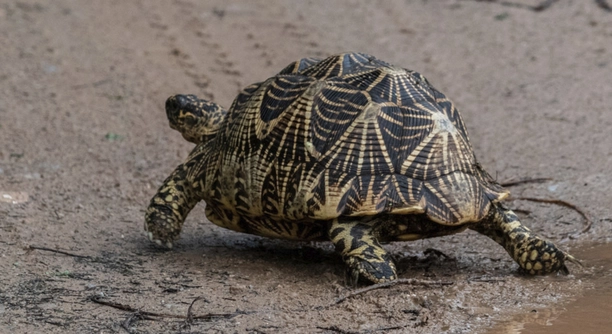
Taking care of a star tortoise requires more than just feeding and cleaning. It’s important to focus on their overall well-being, including their mood and stress levels. A happy tortoise is a healthy tortoise.
To improve a star tortoise’s mood and reduce stress, provide a calm and enriching environment. This includes appropriate temperature, hiding spots, and a balanced diet. Regular interaction and minimal disruptions also help in reducing anxiety and promoting happiness.
With these tips in mind, you can create a peaceful and stimulating environment for your star tortoise. It’s easy to improve their quality of life and ensure they feel comfortable and secure.
Provide a Proper Habitat
A comfortable and safe habitat is essential for reducing a star tortoise’s stress. Ensure their enclosure is large enough to move around, with a proper heat gradient, allowing them to regulate body temperature. Adding hides, rocks, and plants mimics their natural environment, providing security. This gives them a place to retreat when they feel threatened. A well-maintained, clean space is crucial, as a dirty environment can cause anxiety and health issues. Keep their habitat in a quiet area away from loud noises or disturbances that may trigger stress.
A well-maintained habitat goes a long way in keeping a star tortoise relaxed. Make sure the lighting and humidity levels are adequate for their needs.
Regular cleaning is key to keeping their environment free from harmful bacteria. Also, make sure the enclosure’s walls are high enough to prevent escape attempts, which can add stress.
Offer a Balanced Diet
A star tortoise’s diet impacts their overall mood and energy levels. Providing a variety of leafy greens, vegetables, and some fruits ensures they get all the necessary nutrients. Offering the right mix of foods also prevents them from becoming bored with their meals. Avoid feeding them too much protein, as it can lead to health issues. Calcium supplements should be added occasionally to support shell growth.
A balanced diet can improve your tortoise’s mood, providing the necessary nutrients for a healthy and active life. This prevents stress caused by poor nutrition.
Remember to feed them fresh, organic food, and remove any uneaten items after a few hours. Offering their meals at regular intervals and in a calm, quiet space helps prevent anxiety around feeding time.
Minimize Stressful Interactions
Star tortoises prefer quiet, minimal handling. Excessive interaction can stress them out. Approach them gently and avoid sudden movements, especially during feeding time. Limiting handling to short sessions allows them to feel safe, without the anxiety of being moved around too much. It’s important to know their comfort zone.
They are naturally solitary creatures and may find constant attention overwhelming. It’s better to observe them from a distance and avoid constant picking up or petting. Gradually, they’ll become more comfortable with you and their environment, reducing overall stress.
Ensure your interactions are calm and predictable. If they hide or withdraw, give them space. This allows them to retreat when feeling overwhelmed. Respecting their need for peace will help them feel secure and reduce anxiety over time.
Provide Proper Lighting
Proper lighting mimics natural sunlight, which is essential for a star tortoise’s well-being. UVB rays help them process calcium, essential for a healthy shell. Without the right lighting, they can become weak and stressed, leading to poor health. It’s crucial to use the right kind of light for their enclosure.
UVB lighting should be placed correctly to cover most of their habitat, and it needs to be replaced regularly. Over time, the effectiveness of UVB bulbs decreases, so don’t wait too long to swap them out. This prevents your tortoise from becoming deprived of important nutrients.
Additionally, avoid artificial lighting that can disrupt their natural circadian rhythm. Keep a regular light schedule to help them know when to be active or rest. Consistent lighting supports their mood and overall health.
Keep the Temperature Stable
Star tortoises need a proper temperature gradient in their habitat. Make sure the warm side is around 90°F, while the cooler side is about 75°F. This allows them to regulate their body temperature and stay comfortable. Sudden temperature changes can cause stress, so it’s important to maintain consistency.
A stable temperature encourages healthy activity and digestion. Avoid placing them in drafts or near air conditioners that can cause rapid temperature shifts. Use a reliable thermometer to monitor the temperature and adjust heating accordingly.
Offer Space to Roam
Space is vital for a star tortoise’s well-being. A larger enclosure gives them the freedom to explore and exercise. A cramped space can make them feel confined, leading to stress. A roomy environment reduces feelings of aggression and territoriality.
Ensure the enclosure is at least 4 feet long for a single tortoise. Adding rocks or logs for climbing encourages natural behaviors. This extra space can also improve their mood by providing mental stimulation and opportunities for exploring.
Maintain a Calm Environment
A calm and quiet environment is key to reducing stress. Avoid placing your star tortoise’s habitat in a high-traffic area where they might be constantly disturbed. Loud noises or sudden movements can startle them, leading to anxiety. A peaceful setting helps them feel secure.
FAQ
How can I tell if my star tortoise is stressed?
A stressed star tortoise may display certain behaviors, such as hiding more than usual, being less active, or refusing food. They may also show signs like excessive scratching or trying to escape their enclosure. If you notice any changes in their behavior, it could be a sign of stress or discomfort. It’s important to monitor their habits and make adjustments to their environment as needed.
What is the best temperature for a star tortoise’s habitat?
The ideal temperature range for a star tortoise’s habitat is between 75°F and 90°F. It is essential to create a temperature gradient within the enclosure, with one side warmer (around 90°F) and the other cooler (around 75°F). This allows your tortoise to regulate its body temperature naturally by moving between the warmer and cooler areas. Make sure to use a thermometer to monitor the temperature, as sudden changes can cause stress.
Can star tortoises live together?
Star tortoises are generally solitary creatures. It’s usually best to keep them alone to avoid territorial disputes, especially in a confined space. When housed together, they may compete for food and shelter, which can lead to stress and injury. However, in larger enclosures, some tortoises may coexist peacefully if they have enough space. Always monitor their behavior closely and be prepared to separate them if any aggression or stress occurs.
How often should I feed my star tortoise?
A star tortoise should be fed every day, but the portions should be adjusted based on their age and size. Young tortoises may need daily feedings, while adults typically eat every other day. Their diet should consist of leafy greens, some vegetables, and occasional fruits. Avoid overfeeding them, as obesity can lead to health issues. Ensure that any uneaten food is removed to prevent spoilage, which can impact their health and mood.
What kind of lighting does a star tortoise need?
Star tortoises require both UVA and UVB lighting for proper health. UVB light helps them process calcium, which is essential for shell growth and bone health. UVA light mimics natural sunlight, helping them regulate their activity patterns. Use a high-quality UVB bulb designed for reptiles and replace it every 6 to 12 months, as UVB output decreases over time. Position the light source over the basking area, ensuring your tortoise can absorb the necessary light.
Can a star tortoise eat fruit?
Star tortoises can eat fruit, but it should be offered in moderation. Fruits are high in sugars and can lead to digestive issues or obesity if fed too frequently. A small amount of fruit, like melon or berries, can be a tasty treat, but the majority of their diet should consist of leafy greens and vegetables. Always wash fruits and vegetables thoroughly before feeding to remove any pesticides or harmful chemicals.
How do I know if my star tortoise is healthy?
A healthy star tortoise will be active, alert, and interested in food. Their shell should be hard and smooth, with no signs of cracks, lesions, or soft spots. The eyes should be clear, and there should be no discharge from the nose or mouth. A healthy tortoise will also have firm, well-formed stools. If you notice any changes in their behavior, eating habits, or appearance, consult with a veterinarian who specializes in reptiles to rule out health problems.
Can I give my star tortoise calcium supplements?
Yes, calcium supplements are important, especially for younger tortoises or those not receiving enough calcium from their diet. A calcium supplement can be dusted on their food or added to their water. Be sure to choose a calcium supplement without phosphorus to avoid imbalances. However, it’s essential to avoid over-supplementing, as too much calcium can also cause health issues. Consult with a vet about the appropriate dosage for your specific tortoise.
What size enclosure does my star tortoise need?
For one adult star tortoise, the enclosure should be at least 4 feet long. Larger spaces are always better, as they allow for more movement and mental stimulation. Make sure the habitat is spacious enough for them to explore and hide, with areas for basking and cooling down. A well-sized enclosure will reduce stress and give your tortoise the space it needs to feel comfortable and safe. If you plan to house multiple tortoises, ensure the space is even larger.
Why is my star tortoise not eating?
There are several reasons why your star tortoise may not be eating, including stress, incorrect temperature, or poor diet. If your tortoise is in a too-cold or too-hot environment, it may lose its appetite. Additionally, an unhealthy diet or improper lighting can cause them to refuse food. It’s essential to monitor their habitat and behavior closely. If the problem persists, a visit to a reptile vet is advised to rule out any health issues.
Final Thoughts
Caring for a star tortoise involves more than just feeding and cleaning. It’s important to consider their mood and stress levels, as these can impact their overall health and well-being. Providing a proper habitat with enough space, the right temperature, and appropriate lighting is key to keeping them comfortable. A peaceful environment, free from loud noises and disruptions, can reduce anxiety and stress. Understanding their natural behaviors and needs will help you create a better home for your tortoise, ensuring they live a happy and healthy life.
Feeding your star tortoise a balanced diet is another important aspect of their care. Offering a variety of leafy greens, vegetables, and occasional fruits helps meet their nutritional needs. Avoid overfeeding, as it can lead to obesity and other health problems. Providing fresh, organic food while removing any uneaten portions helps maintain a clean habitat and ensures they are eating the right foods. Regularly adjusting their diet based on their age and size will also keep them feeling satisfied and energetic.
Finally, regular monitoring and minimal handling will ensure that your star tortoise remains relaxed and content. They may not enjoy being handled frequently, so it’s essential to respect their space and allow them to retreat when needed. By paying attention to their behavior and making small adjustments, you can reduce stress and keep them calm. Maintaining a consistent routine for lighting, feeding, and temperature will also contribute to their overall well-being. With the right care, your star tortoise can live a long, healthy, and stress-free life.

Hello,
If you enjoy the content that we create, please consider saying a "Thank You!" by leaving a tip.
Every little bit helps us continue crafting quality advice that supports the health, happiness, and well-being of pets around the world, for pets of all shapes, sizes, and species.
We really appreciate the kindness and support that you show us!