
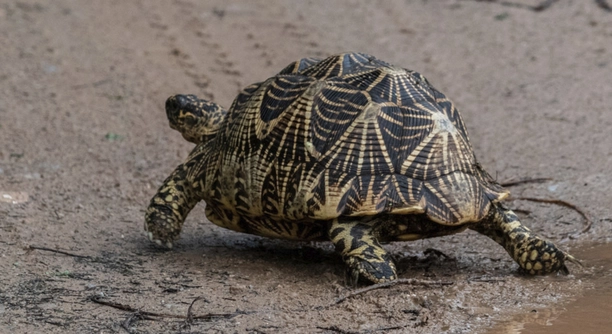
If your star tortoise has been making wheezing noises, you might be concerned. It’s important to understand the possible causes behind this behavior and what it could mean for your tortoise’s health.
Wheezing in star tortoises is often a sign of respiratory distress, which can be caused by various factors like infections, improper habitat conditions, or even stress. Addressing these issues promptly is crucial to your tortoise’s well-being.
There are several reasons why your tortoise might be wheezing. Identifying the underlying cause is essential for effective treatment and prevention of further health complications.
Respiratory Infections and Illnesses
One of the most common reasons for wheezing in a star tortoise is a respiratory infection. Tortoises are prone to respiratory illnesses, especially if their habitat is too cold or humid. Bacterial or fungal infections can cause inflammation in the airways, making it difficult for your tortoise to breathe properly. Symptoms of these infections include wheezing, nasal discharge, and lethargy. If left untreated, respiratory infections can worsen and lead to severe health issues. Maintaining a warm and dry environment can help prevent these infections, but if your tortoise is already showing symptoms, it’s essential to seek veterinary care.
Respiratory infections can be serious if not treated in time. Ensuring your tortoise stays in a properly maintained environment will reduce the risk of infection.
To avoid respiratory infections, keep your star tortoise’s enclosure clean and dry. Ensure that it has a warm, stable temperature and proper ventilation. If your tortoise starts showing symptoms, it’s important to consult a veterinarian immediately to prevent further complications.
Poor Habitat Conditions
Sometimes, wheezing can be caused by an improper habitat setup. If your tortoise’s enclosure is too cold, too damp, or lacks adequate ventilation, it can affect their respiratory system. Star tortoises need a dry, warm environment to thrive. Low temperatures and high humidity levels weaken their immune system and make them more susceptible to respiratory issues. Ensuring your tortoise has access to both warm and cool areas in the enclosure, as well as proper air circulation, can prevent respiratory distress and wheezing.
A poorly designed enclosure can lead to serious health problems, including difficulty breathing. You should aim to recreate conditions that mimic their natural habitat as closely as possible.
Ensure your star tortoise has an appropriate basking spot with temperatures around 85-90°F and a cooler area of 70-75°F. This range helps keep your tortoise comfortable and healthy. A thermometer and hygrometer can help you monitor the temperature and humidity levels, ensuring the environment stays within the ideal range. Make sure the enclosure is clean, dry, and well-ventilated to reduce the chances of respiratory issues.
Stress or Anxiety
Stress is another factor that can contribute to wheezing in a star tortoise. Tortoises can become stressed due to sudden changes in their environment, handling, or lack of space. Stress weakens their immune system and can lead to respiratory issues.
A stressed tortoise might show signs like wheezing, a lack of appetite, or even retreating into its shell for long periods. The main triggers for stress include overcrowding, frequent handling, or sudden temperature fluctuations. Ensure your tortoise has a quiet, calm space where it feels safe and secure.
Proper space and minimal disturbance can help reduce stress. Try to avoid handling your tortoise too much, and make sure its enclosure is large enough to allow for movement and exploration. Additionally, maintain a consistent, stable temperature and avoid any sudden changes. These adjustments can help minimize stress and the wheezing that comes with it.
Mites or Parasites
Mites and parasites can cause significant health problems for star tortoises, leading to symptoms like wheezing. These pests can affect the respiratory system and overall health.
Parasites, like respiratory mites, attach to the inside of the tortoise’s nasal passages and lungs, making it hard for them to breathe. The wheezing noise is often a result of difficulty in clearing their airways. If you notice unusual mucus or swelling around your tortoise’s nose or eyes, it could indicate a mite or parasite infestation.
A vet will likely recommend treatment such as deworming or mite eradication to clear up the infection. Regular checks for external parasites, such as ticks or mites, are essential for preventing health issues. Keep your tortoise’s enclosure clean, and avoid exposing it to other animals that could carry parasites. If symptoms persist, getting veterinary help is necessary to ensure your tortoise gets the proper treatment.
Improper Diet
An improper diet can also lead to respiratory issues, including wheezing in your star tortoise. Poor nutrition weakens their immune system, making them more susceptible to infections and other health problems.
Feeding your tortoise a balanced diet with enough fiber, vitamins, and minerals is crucial for their overall health. Lack of proper nutrition can result in a weakened respiratory system, making it harder for them to fight off infections.
Offer your tortoise a variety of foods, including leafy greens, fruits, and vegetables. Avoid high-protein foods that can cause health issues. A well-rounded diet helps strengthen their immune system and reduces the risk of respiratory issues.
Overheating
Overheating can cause respiratory distress in your star tortoise. If they get too hot, they may start breathing heavily or wheezing.
A basking spot that’s too hot can lead to heat stress, while a cooler area may not allow your tortoise to regulate its body temperature. Monitoring the temperature carefully can help prevent overheating and its related symptoms, like wheezing.
Make sure your tortoise has access to both a hot basking area and a cooler, shaded spot. Maintain proper temperature ranges to avoid overheating. If your tortoise appears stressed or is breathing heavily, it could be a sign of heat-related issues.
Dehydration
Dehydration can also lead to breathing problems in tortoises. When they are dehydrated, their body struggles to function properly, including their respiratory system.
Dehydration makes it harder for your tortoise to clear mucus from its airways, which can lead to wheezing. It can also contribute to overall weakness, affecting their ability to fight off infections. Keeping your tortoise hydrated is essential to its well-being.
Ensure your tortoise has constant access to fresh water. Offer a shallow water dish for drinking and occasional soaking to help them stay hydrated. If your tortoise’s breathing becomes labored or you notice signs of dehydration, take action quickly to address the issue.
FAQ
Why is my star tortoise making a wheezing noise?
Wheezing in a star tortoise is usually a sign of respiratory issues. This could be due to an infection, poor habitat conditions, stress, or even parasites. If your tortoise is wheezing, it’s important to examine its environment. Make sure the temperature and humidity are correct and that there are no signs of illness, like nasal discharge or lethargy. If symptoms persist, consult a veterinarian for diagnosis and treatment.
What temperature should my tortoise’s enclosure be?
A proper temperature range is crucial for your tortoise’s health. The basking area should be between 85°F to 90°F, while the cooler side of the enclosure should be around 70°F to 75°F. This temperature difference helps your tortoise regulate its body temperature. A stable, warm environment helps prevent respiratory problems and supports their immune system. Use a thermometer to monitor the temperatures closely.
Can stress cause my tortoise to wheeze?
Yes, stress can contribute to respiratory problems in tortoises, including wheezing. Changes in their environment, such as moving to a new home, loud noises, or too much handling, can stress them out. If a tortoise is constantly stressed, it may have difficulty maintaining its health, leading to weakened immunity and respiratory distress. Minimizing handling and providing a calm, secure environment can reduce stress and help prevent wheezing.
How can I tell if my tortoise is sick?
Besides wheezing, signs that your star tortoise may be sick include loss of appetite, lethargy, nasal discharge, swollen eyes, or difficulty moving. If you notice these symptoms, it’s important to take action quickly. A visit to the vet can help determine the cause of the illness and guide you on the necessary treatment. Prompt attention can prevent further complications.
Should I be worried if my tortoise is breathing heavily?
Breathing heavily can indicate a respiratory problem or overheating. If your tortoise is breathing faster than usual and seems distressed, it may be struggling with temperature regulation or an infection. Overheating can be dangerous, so ensure your tortoise has access to both warm and cool areas within the enclosure. If heavy breathing continues, it’s wise to consult a vet for a diagnosis.
How often should I clean my tortoise’s enclosure?
Cleaning your tortoise’s enclosure is essential for its health. It’s recommended to clean the habitat at least once a week, but you should spot clean daily, removing any waste and uneaten food. Keeping the enclosure clean helps reduce the risk of bacterial and fungal infections, which can cause respiratory issues. A clean environment ensures your tortoise stays healthy and comfortable.
Can mites cause respiratory problems in tortoises?
Yes, mites can cause respiratory distress in tortoises. Respiratory mites, in particular, can irritate the airways and make it hard for your tortoise to breathe. If you notice abnormal mucus, swelling around the nose or eyes, or your tortoise seems to be wheezing more than usual, mites or other parasites could be the cause. A vet can treat these infestations with proper medication, which will help clear up respiratory issues.
How can I prevent respiratory infections in my tortoise?
To prevent respiratory infections, maintain a clean, dry, and well-ventilated habitat. Keep the temperature in the enclosure stable, ensuring that the tortoise can move between warmer and cooler areas. Avoid high humidity, as it can promote the growth of bacteria and fungi. Proper diet and hydration also help maintain a strong immune system, reducing the risk of infections.
Is it normal for my tortoise to make noise when breathing?
Some sounds, like gentle hissing, can be normal if the tortoise is just moving air through its nose. However, wheezing or harsh sounds are not normal and may indicate a problem. If your tortoise is making abnormal noises when breathing, it’s important to monitor for other symptoms, such as lethargy, nasal discharge, or loss of appetite, and consult a veterinarian for guidance.
Can dehydration cause my tortoise to wheeze?
Yes, dehydration can lead to breathing problems. When a tortoise is dehydrated, mucus in the respiratory system thickens, making it difficult to clear the airways. This can lead to wheezing or labored breathing. Ensuring your tortoise has access to fresh water and a shallow dish for soaking is crucial to prevent dehydration. Dehydration also weakens the immune system, making the tortoise more vulnerable to infections.
How can I improve my tortoise’s diet to support its health?
A balanced diet is essential for your tortoise’s health. Offer a variety of leafy greens, vegetables, and small amounts of fruit. Avoid feeding too much protein, as it can lead to kidney problems. Make sure your tortoise gets plenty of fiber to aid digestion. Calcium is also important, so you may want to dust food with a calcium supplement to support bone health.
Can I use a heat lamp to help with my tortoise’s wheezing?
A heat lamp can be useful for maintaining the proper temperature in your tortoise’s enclosure, which is crucial for its health. If your tortoise is wheezing due to cold conditions, a heat lamp can help. However, overheating can also cause respiratory problems, so ensure your tortoise has access to cooler areas as well. Monitor the temperature closely with a thermometer to avoid extreme temperatures.
Final Thoughts
Wheezing in your star tortoise can be concerning, but it’s important to remember that there are several potential causes for this issue. Whether it’s a respiratory infection, stress, poor habitat conditions, or something else, identifying the cause early on is key to ensuring your tortoise’s well-being. If your tortoise is wheezing, it’s essential to act quickly and assess its environment. Start by checking the temperature, humidity, and cleanliness of the enclosure. Make sure your tortoise has access to both warm and cool areas, and that the habitat is well-ventilated. A clean, dry environment is vital to prevent respiratory issues and infections. If these changes don’t resolve the problem, seeking veterinary advice is necessary.
Regularly monitoring your star tortoise’s behavior and health is the best way to prevent issues before they become serious. Make sure your tortoise is receiving a balanced diet with enough fiber, vitamins, and minerals. Avoid overcrowding and limit handling to reduce stress. It’s also essential to offer your tortoise fresh water regularly and keep a close eye on hydration levels, as dehydration can lead to respiratory distress. By taking proper care of your tortoise’s habitat, diet, and health, you can significantly reduce the risk of wheezing and other related health issues.
Remember, while wheezing can be a sign of something serious, it’s not always a sign of an emergency. If you notice your tortoise wheezing but it doesn’t seem to be showing other signs of distress, it could simply be due to a minor issue that can be resolved with slight changes in its environment. However, if the wheezing continues or is accompanied by other symptoms, it’s crucial to consult a veterinarian. Early intervention can prevent more severe health problems and ensure that your star tortoise stays healthy and happy for years to come.

Hello,
If you enjoy the content that we create, please consider saying a "Thank You!" by leaving a tip.
Every little bit helps us continue crafting quality advice that supports the health, happiness, and well-being of pets around the world, for pets of all shapes, sizes, and species.
We really appreciate the kindness and support that you show us!