
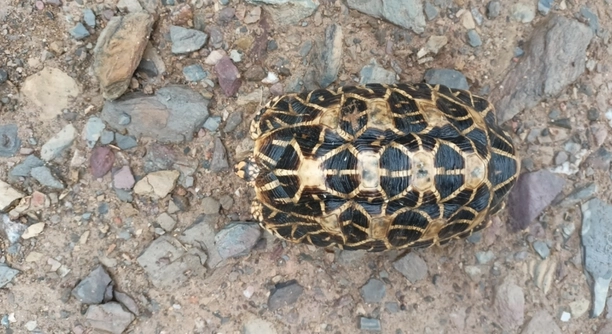
When bringing a star tortoise into your home, it’s important to help them adjust to their new environment. This process can be overwhelming for both you and your new pet, but with a little care, they’ll thrive.
The easiest way to help your star tortoise adjust is by creating a comfortable and secure environment. Make sure the enclosure mimics their natural habitat, with proper humidity, temperature, and lighting. Gradually introducing them to their new space will help reduce stress.
By following a few simple steps, you can ensure your star tortoise adjusts smoothly and feels at home. This guide will provide useful tips to make the transition easier for both of you.
Setting Up the Right Habitat
Creating the right environment is essential for your star tortoise’s adjustment. They need an enclosure that replicates their natural habitat as much as possible. Start with a spacious tank or pen that offers plenty of room for movement. The enclosure should have areas for hiding, resting, and basking, as well as access to clean water.
Make sure the temperature is kept between 80°F and 90°F during the day and slightly cooler at night. A heat lamp can help achieve this. The humidity should be around 60-70%, which is ideal for a star tortoise.
It’s also crucial to have proper substrate, like coconut coir or organic topsoil. These materials help maintain humidity and provide a comfortable surface for your tortoise to dig and explore. Keep their home clean and free of waste. Regular maintenance is essential for a healthy environment and to avoid stress.
Diet and Nutrition
The right diet is key to keeping your star tortoise healthy. A balanced diet should mainly consist of leafy greens, grasses, and some flowers.
Feed your tortoise a variety of fresh foods, such as dandelion greens, clover, and collard greens. Avoid giving them too many fruits, as this can cause digestive issues. Adding calcium and vitamin D3 supplements to their diet will help maintain healthy bones.
Your tortoise should also have access to fresh water at all times. You may also notice them soaking in their water bowl, which helps with hydration and shedding. It’s important to ensure they get enough hydration to prevent any issues related to dehydration. A proper diet will support their health and energy levels.
Handling Your Star Tortoise
Handling your star tortoise gently is essential for building trust. Keep sessions brief and calm to avoid causing stress.
When you first begin handling, approach slowly and avoid sudden movements. Always support their body properly, especially their shell, and avoid picking them up by their legs. Handle them for short periods at first, gradually increasing the time as they become more comfortable. Never force them to interact if they seem stressed or fearful.
Handling should be done in a quiet, safe environment. Place your tortoise on a flat surface, and allow them to explore at their own pace. Over time, your tortoise will get used to human interaction, and this will help strengthen the bond.
Adjusting to Their New Home
It’s normal for your star tortoise to feel a bit anxious after moving into a new home.
Give them space to settle in. Avoid overwhelming them with too many interactions at first, allowing them to get comfortable with their new surroundings. Provide a hiding place where they can retreat and feel secure. This will help reduce their stress levels.
Monitoring their behavior for signs of stress, such as hiding more than usual or being less active, is important. It’s vital not to disturb them during these initial days, as they need time to adapt. Keep the environment stable and consistent to ensure they feel safe. After a few days, they should start to adjust and feel more comfortable.
Creating a Routine
Establishing a routine helps your star tortoise feel secure in their new home.
Feed them at the same time each day and maintain a consistent light and temperature schedule. This predictability creates a stable environment, reducing stress. Tortoises thrive on routine, so be consistent with their care to help them adjust faster.
Offering Proper Lighting
Proper lighting is essential for your star tortoise’s well-being.
Provide a UVB light source for 10-12 hours a day. This mimics sunlight and helps them absorb calcium, which is important for their health. Without proper UVB lighting, your tortoise could develop metabolic bone disease or other health problems.
Enrichment and Exercise
Star tortoises need mental and physical stimulation to thrive.
You can provide enrichment through varied objects, like rocks, logs, or plants. This allows them to explore and climb, mimicking their natural environment. Exercise is essential for their health, so ensure they have space to roam freely and interact with their surroundings daily.
FAQ
How long does it take for a star tortoise to adjust to a new home?
It can take anywhere from a few days to a few weeks for a star tortoise to fully adjust. The key is to provide a stable environment and avoid overwhelming them. During the first few days, your tortoise may be shy or hide frequently. Over time, they’ll become more comfortable and explore their space more.
What should I do if my star tortoise isn’t eating?
If your tortoise isn’t eating, check the temperature and humidity levels in their enclosure. Improper conditions can cause them to lose appetite. Stress is another common reason for a loss of appetite, so give them time to adjust. If they still refuse to eat after a few days, consult a veterinarian to rule out any health issues.
Can I handle my star tortoise every day?
You can handle your tortoise daily, but keep it short and gentle, especially in the beginning. Over-handling can cause stress, so it’s better to let them come to you. Make sure to handle them carefully to avoid injury, and always return them to their enclosure afterward.
Do I need to give my star tortoise supplements?
Yes, calcium and vitamin D3 supplements are crucial for your star tortoise’s health. These nutrients help prevent metabolic bone disease and support shell growth. You can sprinkle the supplements over their food or use a cuttlebone in the enclosure for them to chew on.
How often should I clean my star tortoise’s enclosure?
You should clean the enclosure once a week, removing waste and replacing soiled bedding. Make sure to deep-clean the enclosure monthly by washing everything with a safe reptile disinfectant. Keeping the environment clean is important for their health and comfort.
Can my star tortoise live with other pets?
Star tortoises should not be housed with other species of pets, especially not with animals that could be aggressive or carry diseases. They are best kept alone or with other star tortoises. If you have other reptiles, make sure they are compatible in size and temperature requirements.
What temperature does my star tortoise need?
The daytime temperature in their enclosure should be between 80°F and 90°F, with a basking spot around 95°F. At night, the temperature should drop slightly, but it should not go below 70°F. Using a heat lamp or ceramic heater can help maintain these temperatures.
Do star tortoises need a water bowl?
Yes, star tortoises need access to fresh water at all times. They may drink from a shallow dish or soak in it, which is normal. Make sure the water bowl is large enough for them to soak comfortably, and change the water daily to keep it clean.
How can I tell if my star tortoise is stressed?
Signs of stress in a star tortoise include hiding more than usual, loss of appetite, or excessive pacing. It’s important to monitor their behavior and ensure that their environment is calm and stable. Stress can be caused by improper temperature, humidity, or handling, so make adjustments as needed.
What kind of substrate is best for my star tortoise?
A good substrate for your star tortoise is one that mimics their natural environment. Coconut coir, organic topsoil, or a mix of both are great options. These materials help maintain humidity and are comfortable for them to dig into. Avoid using sand or gravel, as these can cause digestive issues if ingested.
How often should I feed my star tortoise?
Star tortoises should be fed daily, offering a variety of leafy greens, grasses, and edible flowers. Be sure to include a calcium supplement to keep their bones and shell healthy. Avoid feeding them fruit too often, as it can cause digestive issues.
Is it normal for a star tortoise to sleep a lot?
Yes, it’s normal for star tortoises to sleep quite a bit, especially in the cooler months. They are more active during the daytime and can sleep up to 12 hours a day, depending on the environment and their age. Just make sure the temperature in their enclosure is appropriate, as extreme cold can cause lethargy.
Can I take my star tortoise outside?
Yes, you can take your star tortoise outside, but only if the weather is warm enough. Make sure they are in a secure, enclosed space where they cannot escape. Always supervise them to prevent any predators from getting close. Never leave your tortoise outside unattended.
What should I do if my star tortoise’s shell is damaged?
If you notice any cracks or injuries to your tortoise’s shell, it’s important to consult a veterinarian immediately. Shell injuries can become infected and should be treated by a professional. Do not attempt to treat shell damage on your own.
How can I help my star tortoise shed?
Star tortoises shed their scutes naturally, but they may need help if the process is slow. Providing access to water for soaking and ensuring proper humidity levels can help with shedding. If they appear to have trouble, consult a vet for advice on how to assist the process.
Final Thoughts
Caring for a star tortoise can be a rewarding experience, but it does require some effort and attention to detail. By ensuring your tortoise has the right environment, diet, and handling, you’ll help them feel comfortable and thrive in their new home. A star tortoise’s health and happiness are largely dependent on creating a stress-free space where they can move freely and enjoy their natural behaviors. When you pay attention to their needs, you’ll see how quickly they adjust and become an active part of your life.
The key to a successful adjustment process is patience. Star tortoises may take some time to adapt to their new environment, and it’s important to allow them the space and time they need. Providing a well-maintained enclosure, proper lighting, and a balanced diet are all essential. Regular cleaning, careful handling, and monitoring their behavior will help you spot any problems early and address them before they escalate. Over time, your tortoise will become more familiar with their new home and develop a routine that works for both of you.
In the end, taking the time to learn about your star tortoise’s unique needs and behaviors will make a significant difference in their well-being. Every tortoise is different, and it’s essential to observe them closely to understand what works best for them. Whether it’s adjusting the temperature in their habitat, tweaking their diet, or giving them a little extra time to settle in, small changes can have a big impact. As your tortoise becomes more comfortable, you’ll be rewarded with a happy and healthy pet.

Hello,
If you enjoy the content that we create, please consider saying a "Thank You!" by leaving a tip.
Every little bit helps us continue crafting quality advice that supports the health, happiness, and well-being of pets around the world, for pets of all shapes, sizes, and species.
We really appreciate the kindness and support that you show us!