
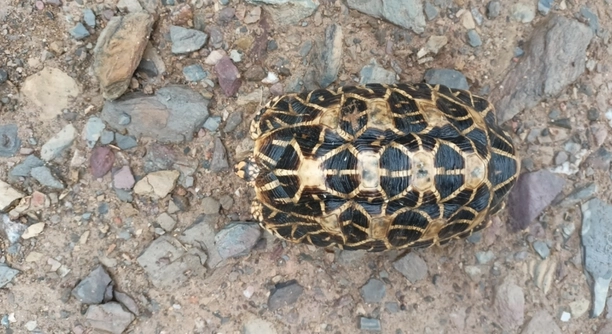
Star tortoises are fascinating pets, and creating the right environment for them is key to their health and happiness. Whether you’re a new owner or experienced, providing a safe and stimulating habitat is essential.
To create a more enriching environment for your star tortoise, ensure they have ample space, appropriate temperature, and access to natural light. A varied diet and enrichment activities, such as hiding food, will also improve their overall well-being.
There are simple but effective ways to improve their habitat. From temperature control to diet, you can make small changes that will have a big impact on their happiness and health.
Provide Plenty of Space for Exploration
A star tortoise needs a spacious enclosure to thrive. They are naturally curious and need room to roam and explore their surroundings. The minimum recommended size for a tortoise enclosure is 4 feet by 2 feet for one tortoise. This allows your pet to move freely and engage in natural behaviors like grazing and burrowing.
A bigger space is always better, especially if you plan to keep more than one tortoise. The more space they have, the less likely they are to feel stressed or overcrowded. Consider adding different areas within the enclosure like hiding spots or basking areas to give your star tortoise places to retreat and explore.
Incorporating a mix of open spaces and hiding spots provides your star tortoise with a sense of security. They like to explore, but they also need privacy. Creating this balance will help them feel comfortable in their environment and less stressed.
Maintain Proper Temperature and Lighting
Lighting and temperature are key elements in keeping your tortoise happy. These reptiles require a warm environment, with a basking area that reaches 90-95°F and a cooler area around 75°F. Without this range, they may not be able to regulate their body temperature properly.
A UVB light is essential for their shell and bone health. It simulates natural sunlight and allows them to produce vitamin D3, which helps absorb calcium. You should have the UVB light on for 12-14 hours daily, simulating a natural day-night cycle. Make sure the light is close enough to your tortoise to be effective, but not too close to cause overheating.
By ensuring proper heat and light, you allow your star tortoise to live a more comfortable and healthier life. Providing this will also help them stay active and engaged in their habitat, promoting natural behaviors.
Offer a Balanced Diet
Your star tortoise’s diet should consist of a variety of leafy greens, such as dandelion greens, kale, and hibiscus. They also enjoy grasses and flowers like clover, along with some fruits in moderation. A varied diet ensures they get all the essential nutrients for healthy growth and shell development.
Avoid feeding them too many high-oxalate foods like spinach or kale, which can affect calcium absorption. It’s important to provide them with a calcium supplement, especially if their diet doesn’t include foods rich in calcium. You can dust their food with a calcium powder to keep them healthy.
Make sure to offer fresh, clean water daily. Star tortoises often drink from shallow water bowls or puddles in the wild, so providing a shallow dish is ideal. A proper diet helps ensure your tortoise stays active and avoids health problems in the long run.
Enrich Their Environment with Hiding Spots
Hiding spots in the enclosure offer security and mental stimulation for your star tortoise. These animals are naturally inclined to seek shelter when they feel threatened or need rest. Simple items like logs, caves, or piles of rocks can serve as hiding spots. They’ll appreciate having places to retreat when they want to relax or sleep.
These hiding areas help reduce stress by giving your tortoise a private space. Adding variety, such as both high and low shelters, will make your tortoise feel safer and more comfortable in their habitat. Experiment with different materials to find what works best.
Additionally, hiding spots make your tortoise’s environment feel more natural, helping them exhibit more typical behaviors. Providing a few different places for them to explore and retreat to will keep them mentally engaged, reducing boredom and promoting well-being.
Provide a Suitable Substrate
The substrate in your star tortoise’s enclosure plays a big role in their comfort and health. A good choice is a mixture of soil, sand, and coconut coir. This combination helps maintain humidity and allows your tortoise to burrow naturally.
Avoid using sharp or small substrates like gravel or wood chips, as they can injure your tortoise or get eaten accidentally. Opt for a material that holds moisture, but isn’t too damp. This balance prevents excessive dryness or mold growth, both of which could cause health issues.
Regularly clean and replace the substrate to prevent bacteria and mold buildup. Keeping the enclosure clean helps maintain a healthy environment for your tortoise. A suitable substrate encourages natural behaviors like digging, which helps reduce stress and supports their overall well-being.
Offer a Variety of Enrichment Activities
Enrichment activities encourage your star tortoise to engage in natural behaviors. One simple option is hiding food around their enclosure, prompting them to forage. This stimulates their mind and encourages exercise, mimicking their natural food-seeking habits.
You can also add climbing rocks, logs, or plants for them to explore. While tortoises don’t climb as much as some other reptiles, offering different textures and surfaces for them to interact with adds variety to their space. A shallow water dish, for instance, can become a source of both hydration and mental stimulation.
By including activities and elements that trigger curiosity, you enhance their habitat in a way that supports both their physical and mental health. It also provides more space for them to explore, making their environment more dynamic and enjoyable.
Keep Humidity Levels in Check
Star tortoises require a dry environment with low humidity. However, slight humidity is beneficial, especially in warmer climates. The ideal humidity level for your tortoise should range between 40-60%.
To maintain the proper humidity, lightly mist the substrate every few days. Be sure not to overdo it, as excessive moisture can lead to health problems like respiratory infections. You can also monitor humidity levels using a hygrometer to ensure consistency.
Maintaining balanced humidity levels contributes to your tortoise’s overall well-being. It prevents issues related to dehydration or respiratory problems and helps your tortoise stay comfortable in their habitat.
Ensure Proper Ventilation
Good ventilation is crucial to prevent mold and bacteria buildup in your star tortoise’s enclosure. It allows fresh air to circulate, maintaining a healthy environment.
Ensure the enclosure has enough vents or openings to allow air flow but prevent drafts. This balance helps maintain the right temperature and humidity levels. A mesh lid or side openings are common solutions for ventilation. Proper airflow ensures that your tortoise is exposed to clean, fresh air, reducing the risk of respiratory issues.
Regulate Day and Night Cycle
Star tortoises need a natural day and night cycle to thrive. Proper light and darkness periods help regulate their internal clock. It also encourages natural behaviors like eating, exploring, and sleeping.
The best way to create a consistent day-night cycle is by using a timer for your UVB and heat lights. This way, they can receive 12-14 hours of light and 10-12 hours of darkness each day. Keep the lighting on a consistent schedule to simulate natural conditions and maintain your tortoise’s well-being.
FAQ
What temperature is best for a star tortoise?
The ideal temperature for a star tortoise varies across the enclosure. The basking area should be between 90-95°F, providing a warm spot for them to rest and regulate their body temperature. The cooler area of the enclosure should stay between 75-80°F, offering a comfortable zone for them to move to when they need to cool off. Nighttime temperatures can drop to 65-70°F. Using a heat lamp and a UVB light will help maintain these temperatures, creating a balanced environment for your tortoise.
How often should I feed my star tortoise?
Star tortoises should be fed daily, but portions should be adjusted depending on their age and size. Young tortoises require more frequent feeding with a focus on leafy greens, vegetables, and occasional fruit. Adults typically need fewer meals, around 3-4 times a week. Always ensure that the food offered is fresh and clean, and never overfeed. It’s also important to vary their diet to avoid nutritional imbalances and ensure they get all the necessary vitamins and minerals.
Can I keep multiple star tortoises together?
While it’s possible to keep more than one star tortoise together, it’s essential to ensure they have plenty of space. Overcrowding can lead to stress and territorial behavior. If you have more than one, make sure they each have access to their own basking areas, hiding spots, and feeding zones. Be aware that males, especially, may show aggression towards each other, particularly during mating seasons. Keeping a male and female together can also sometimes lead to stress for the female, so it’s important to monitor their interactions.
Do star tortoises need a water dish?
Yes, star tortoises need access to fresh water at all times. They drink frequently but prefer shallow water, where they can easily access it without having to submerge themselves fully. Provide a shallow dish that’s easy for them to drink from, and make sure to clean it daily to avoid bacteria buildup. Although they don’t need to bathe often, you can offer them a shallow soak in warm water once a week to help with hydration and shell health.
Can I take my star tortoise outside?
Yes, star tortoises can be taken outside for some fresh air and sunlight, as long as the weather conditions are suitable. Be sure the outdoor area is secure and free from predators or other dangers. During outdoor time, they can benefit from natural UVB rays, which help with calcium absorption and overall health. However, always supervise your tortoise and ensure they can’t escape or harm themselves. During hot or cold weather, it’s best to keep your star tortoise indoors to avoid temperature stress.
How do I maintain the right humidity levels?
Star tortoises require a dry environment, but slight humidity is beneficial. Keep the humidity level in the enclosure between 40-60%. To maintain proper humidity, lightly mist the substrate a few times a week with water. Avoid over-wetting the substrate, as excessive moisture can lead to health problems like respiratory infections or shell rot. Using a hygrometer can help you keep track of the humidity, ensuring it stays within the ideal range.
What kind of substrate should I use?
A good substrate for star tortoises is a mix of soil, sand, and coconut coir. This combination allows your tortoise to dig and burrow, which is a natural behavior. The substrate should be dry, but not too dusty, and easy to clean. Avoid using gravel, wood chips, or anything with sharp edges that could injure your tortoise. Regularly replace the substrate and keep it clean to prevent bacteria and mold growth.
Why does my star tortoise hide?
Hiding is a natural behavior for star tortoises. In the wild, they often seek shelter to protect themselves from predators and extreme weather conditions. In captivity, they may hide when they feel stressed, need rest, or simply want some privacy. Providing hiding spots within their enclosure, such as rocks or logs, will give them the option to retreat when needed. If your tortoise hides more than usual, it could be a sign of stress, illness, or environmental discomfort, so it’s important to monitor their behavior.
How do I know if my star tortoise is healthy?
A healthy star tortoise will have clear eyes, a smooth and intact shell, and an active, alert demeanor. Their skin should not appear dry or flaky, and they should be eating and drinking regularly. Pay attention to their movement as well. If your tortoise is lethargic, not eating, or has difficulty moving, it could be a sign of illness. Additionally, check for any signs of shell deformities, such as soft spots or abnormal growth. If you notice anything unusual, it’s best to consult a veterinarian who specializes in reptiles.
What kind of lighting do I need for my star tortoise?
Star tortoises require both heat and UVB lighting. A basking lamp provides the necessary warmth for your tortoise to regulate its body temperature. The UVB light is essential for the tortoise’s calcium absorption and shell health. It should be on for 12-14 hours a day to mimic natural sunlight. UVB lights lose effectiveness over time, so be sure to replace the bulb every six months. Additionally, make sure the lights are positioned correctly to avoid overheating or causing stress.
Final Thoughts
Creating a suitable environment for your star tortoise is essential to their well-being. Providing a spacious, comfortable habitat with the right temperature, humidity, and lighting will help them thrive. Star tortoises are naturally curious creatures, so it’s important to give them room to explore, along with hiding spots and enrichment activities to keep them mentally engaged. By simulating their natural environment as much as possible, you can ensure they stay healthy and happy.
Feeding your tortoise a balanced diet is equally important. They need a variety of leafy greens, grasses, and occasional fruits to stay healthy. Providing fresh water daily and adding calcium supplements will also help with their growth and shell development. It’s important to avoid overfeeding and to make sure their food is fresh and clean. A varied diet can prevent health issues and help your tortoise live a long, happy life.
Lastly, regular maintenance of their enclosure is necessary to avoid problems like mold or bacterial growth. Keeping the substrate clean and adjusting the humidity as needed will ensure that your star tortoise’s home remains a safe place. By paying attention to their needs and observing their behavior, you can make adjustments to keep them comfortable. A little effort in maintaining the right environment will go a long way in making sure your star tortoise leads a fulfilling and healthy life.

Hello,
If you enjoy the content that we create, please consider saying a "Thank You!" by leaving a tip.
Every little bit helps us continue crafting quality advice that supports the health, happiness, and well-being of pets around the world, for pets of all shapes, sizes, and species.
We really appreciate the kindness and support that you show us!