
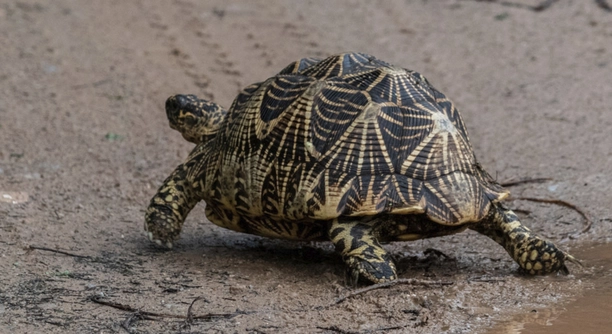
Creating a proper digging area for your star tortoise is essential to their well-being. A suitable environment ensures they stay healthy, active, and happy. This guide will walk you through the steps to set up the perfect space for them.
The best way to create a suitable digging area for your star tortoise is by using soft, moist substrate in a spacious, shaded location. The substrate should mimic their natural habitat, providing the right texture and moisture for digging.
We’ll share tips on how to choose the right materials, maintain the right environment, and keep your tortoise comfortable. Let’s get started!
Choosing the Right Substrate for Digging
The substrate you choose is crucial in creating a comfortable environment for your star tortoise. A good substrate should be soft, loose, and capable of retaining moisture. Materials like coconut coir, topsoil, or organic potting soil are excellent choices. These substrates mimic the tortoise’s natural environment and provide the necessary texture for digging. Avoid using sand or gravel, as they can be too harsh on your tortoise’s sensitive skin and cause discomfort. When selecting a substrate, ensure it’s free of pesticides and other harmful chemicals to keep your tortoise safe.
Once you’ve picked the right material, it’s important to maintain its moisture level. A dry substrate will be difficult for your tortoise to dig in, while overly wet soil can lead to mold or bacteria growth. The moisture level should be balanced, ensuring it’s slightly damp, but not soaking wet.
Check the substrate regularly to make sure it stays fresh and clean. Replace the substrate as needed to maintain a healthy environment for your tortoise.
Providing Enough Space to Dig
Space is an important factor in ensuring your tortoise can dig freely. A small, confined area can cause stress, while a larger, open space encourages natural behaviors. It’s recommended to provide at least 4-6 square feet of digging space for one star tortoise, and more if you have multiple tortoises.
In addition to the space, consider adding areas for your tortoise to hide or seek shade, which can help them feel secure while they dig. Keep in mind that the size of your digging area will also affect how often you need to clean it. With more space, cleaning will be less frequent, giving your tortoise a more comfortable living environment.
A spacious digging area encourages healthy exploration, mental stimulation, and exercise. Make sure to give your tortoise the room they need to move and dig without feeling restricted.
Maintaining Moisture Levels
Maintaining the right moisture balance in the substrate is essential. It should be damp enough to allow your tortoise to dig easily but not so wet that it becomes soggy or moldy. Check the moisture level regularly and adjust accordingly.
Use a spray bottle to lightly mist the substrate if it feels too dry. Ensure it’s evenly moist, but not puddled with water. Overwatering can cause bacteria growth, while a dry environment can stress your tortoise and make it harder to dig. A consistent moisture level also helps prevent the substrate from compacting, which can be difficult for your tortoise to navigate.
The moisture in the substrate also plays a role in the overall health of your tortoise. Too much dryness can lead to dehydration, while excess moisture can create a breeding ground for harmful bacteria and fungi. It’s essential to find a balance and adjust the environment as needed.
Providing Shade and Shelter
Shaded areas in the digging space help your tortoise feel secure and comfortable. Tortoises naturally seek shelter from the sun, and providing a shaded spot within the digging area encourages natural behaviors. This could be a small, natural hiding spot or a purpose-built shelter.
A shaded area will also help regulate the temperature of the substrate. Star tortoises thrive in moderate temperatures, so having a cool, shaded section within the digging area ensures they can escape the heat when necessary. Use natural materials like logs, rocks, or plant cover to create shaded spots, allowing your tortoise to have a choice of where to rest.
This shade also creates a sense of security for your tortoise. When they dig or burrow, they are more likely to feel protected in an area with some cover, which can reduce stress and help with their overall well-being.
Adding Natural Elements
Including natural elements like rocks, logs, and plants in the digging area can help create a more stimulating environment for your tortoise. These additions mimic their wild habitat, giving them things to explore and interact with.
Rocks and logs can also act as hiding spots, which provide additional security. When tortoises feel safe and have places to retreat to, they are less stressed. Live plants can also be used, but make sure they’re non-toxic and safe for your tortoise to interact with. Avoid any sharp or dangerous materials in the area.
Temperature Regulation
Maintaining the right temperature in the digging area is essential for your tortoise’s health. Star tortoises need a warm environment to stay active and comfortable, but they also need cooler areas to regulate their body temperature.
Using a heat lamp can help create a warm area, while shaded spots allow your tortoise to cool down when needed. Be sure the temperature is consistent and falls within the ideal range of 75-85°F (24-29°C). A reliable thermometer will help you keep track of the heat levels to prevent overheating or chilling.
Cleaning and Maintaining the Area
Regular cleaning of the digging area is key to keeping your tortoise healthy. Remove waste daily and replace any soiled substrate. A clean environment reduces the risk of infections and ensures your tortoise has a pleasant space to dig and explore.
Once every few weeks, you should also do a deep clean of the area, removing all the substrate, washing any items like rocks or logs, and replacing the materials. This prevents harmful bacteria from building up and keeps the space fresh.
FAQ
What type of substrate is best for my star tortoise digging area?
The best substrate for a star tortoise digging area is one that is soft, loose, and can hold moisture without being too wet. Coconut coir, organic potting soil, and topsoil are ideal choices. Avoid sand or gravel, as they are too coarse for digging and can irritate your tortoise’s skin. Ensure the substrate is free of pesticides and chemicals. A good mixture should be able to retain moisture but still drain well to avoid mold or bacteria growth.
How deep should the substrate be for my tortoise’s digging area?
A depth of 4-6 inches (10-15 cm) of substrate is usually sufficient for a star tortoise. This allows them enough space to dig and burrow as they would in their natural habitat. However, if you want to create a more natural environment or if your tortoise tends to burrow deeply, you can increase the depth to 8 inches (20 cm). Make sure the substrate is soft enough for digging, and regularly check that it remains evenly moist.
Do I need to provide extra humidity for my star tortoise?
Star tortoises do not require extremely high humidity, but they do need a moderate level of moisture in their environment. The substrate should be slightly damp but not soaking wet. This level of humidity helps mimic their natural habitat. If the area feels too dry, you can lightly mist it with water using a spray bottle. Too much humidity can cause mold or bacteria growth, so it’s important to maintain balance.
Can I use plants in my star tortoise’s digging area?
Yes, you can use plants in the digging area, but they should be non-toxic and safe for tortoises. Some good plant choices include leafy greens like dandelion, clover, and grass. These plants not only add natural beauty but also give your tortoise something to nibble on and interact with. Be sure to avoid using any plants that may be harmful or poisonous to your tortoise. Always research a plant before adding it to the habitat.
How can I provide shade in the digging area?
Shade is important for your star tortoise to regulate its body temperature. You can provide shade using natural materials such as logs, rocks, or leafy plants. A simple shelter or small wooden structure can also create a shaded space. Just ensure it’s large enough for your tortoise to move around comfortably. If the area receives direct sunlight, make sure there are shaded spots available at all times, so your tortoise can choose a cool place when needed.
Should I add a heat source to my tortoise’s digging area?
Yes, providing a heat source is crucial, especially if you live in a cooler climate. A heat lamp or under-tank heater can help create a warm area where your star tortoise can bask and regulate its body temperature. The ideal temperature should range between 75-85°F (24-29°C). However, it’s important to provide both warm and cooler areas in the digging space, allowing your tortoise to move between temperatures as needed. Always monitor the temperature with a thermometer to avoid overheating.
How often should I clean my star tortoise’s digging area?
Daily cleaning is necessary to remove any waste, uneaten food, or debris from the substrate. It helps prevent bacteria and keeps the area fresh. Every few weeks, a more thorough cleaning should be done by replacing the substrate entirely and disinfecting any objects like rocks or logs. This prevents the buildup of harmful bacteria or mold that could affect your tortoise’s health.
Can I use artificial materials in my tortoise’s digging area?
It’s best to stick to natural materials when setting up the digging area, as they are safer and more comfortable for your tortoise. Artificial materials like plastic or synthetic fabrics can cause discomfort or even harm. However, using items like artificial plants or shelters made of non-toxic materials is acceptable as long as they do not have sharp edges or chemicals that could hurt your tortoise.
Is it necessary to add a water dish in the digging area?
Yes, always provide a shallow water dish for your star tortoise. The water should be clean and changed daily. While star tortoises don’t need to be fully submerged in water, they should have access to fresh water for drinking and occasional soaking. Make sure the water dish is large enough for your tortoise to comfortably drink from but not so deep that they could accidentally fall in.
How can I ensure my tortoise feels secure while digging?
Providing places for your tortoise to hide or feel protected while digging can help reduce stress. Incorporating rocks, logs, or a small shelter in the digging area creates a sense of security. Additionally, avoid loud noises or disturbances around their space, as this can cause unnecessary stress. A comfortable, quiet, and well-shaded area will allow your tortoise to dig and explore at ease.
Final Thoughts
Creating the best digging area for your star tortoise is about understanding their natural needs and providing a space that mimics their wild habitat. It’s important to focus on the right substrate, moisture balance, and space. Choosing soft, natural materials like coconut coir or topsoil helps create an environment that is comfortable for your tortoise to dig in. The substrate should be loose enough for your tortoise to move freely and retain enough moisture to avoid becoming too dry. This moisture balance is key—too much water can cause mold, while too little can leave your tortoise stressed and uncomfortable. Regular checks will ensure the environment stays ideal for them.
Additionally, providing enough space for your tortoise to roam and dig is essential. A small, cramped area will stress them, while a larger, more open space will encourage natural behaviors. It’s important to give them enough room to move freely and explore their surroundings. This is especially true when setting up their shelter and shaded areas. You’ll want to ensure that your tortoise has access to cooler spots to escape from the heat when necessary. Creating a varied environment with logs, rocks, or plants will help your tortoise feel safe and secure while exploring and digging.
Finally, keep in mind that regular maintenance is important for your tortoise’s long-term health. Clean the digging area daily and make sure any soiled substrate is replaced promptly. This will help reduce the risk of bacteria or mold. Over time, as your tortoise settles into their new home, they may develop certain habits that can guide how you adjust their environment. By observing your tortoise’s needs and behaviors, you’ll be able to create a space that provides both comfort and enrichment. With these simple steps, you can ensure that your star tortoise enjoys a happy and healthy life.

Hello,
If you enjoy the content that we create, please consider saying a "Thank You!" by leaving a tip.
Every little bit helps us continue crafting quality advice that supports the health, happiness, and well-being of pets around the world, for pets of all shapes, sizes, and species.
We really appreciate the kindness and support that you show us!