
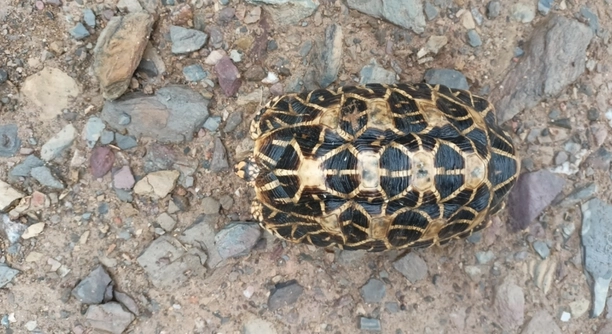
Your star tortoise’s shell is an essential part of its well-being. If you’ve noticed it becoming softer than usual, it’s important to understand the possible reasons behind it. This can be a sign of underlying issues.
The softening of a star tortoise’s shell is most commonly caused by calcium deficiency, improper humidity levels, or inadequate UVB exposure. These factors can impact the tortoise’s shell and overall health, leading to weakness and deformities.
Addressing the root causes and ensuring proper care can help restore your star tortoise’s shell. In this article, we will explore the top seven reasons why your tortoise’s shell may be softening and what you can do to fix it.
1. Calcium Deficiency
A common reason for a softening shell in star tortoises is calcium deficiency. Calcium is vital for their shell development, and if they don’t receive enough, their shells can become weak. This is often the result of poor diet or improper calcium supplementation. Calcium is needed for bone strength, including the shell, and without it, your tortoise’s shell can lose its firmness and structural integrity.
You can fix this by adding calcium-rich foods to their diet, such as leafy greens, and providing a calcium supplement. Make sure the supplement is formulated for reptiles and always follow the correct dosage guidelines.
If the diet isn’t properly balanced or calcium isn’t absorbed effectively, it can also lead to metabolic bone disease, which weakens bones and shells. Regularly providing calcium in proper amounts will help maintain your tortoise’s shell health. Monitoring their diet and supplementing accordingly will go a long way in preventing soft shells from developing.
2. Inadequate UVB Exposure
UVB light plays a crucial role in helping star tortoises absorb calcium from their diet. Without proper UVB exposure, their bodies can’t metabolize calcium efficiently, which leads to softening shells. In captivity, UVB light is necessary since natural sunlight may not always be accessible.
To address this, make sure your tortoise is under a UVB light for about 10 to 12 hours daily. The UVB bulb should be placed correctly and replaced regularly, as it loses effectiveness over time. Position the bulb about 10-12 inches above the tortoise’s basking area to ensure proper exposure.
Additionally, placing your tortoise outside in natural sunlight can be beneficial. However, be cautious not to overexpose them to the sun, as this can lead to overheating or dehydration. A combination of UVB lighting and outdoor time (when possible) will help maintain the health of your tortoise’s shell.
3. Poor Diet
A poor diet can directly impact your star tortoise’s shell health. If your tortoise isn’t getting the right nutrients, the shell can weaken. Offering a variety of leafy greens and vegetables ensures they get the necessary vitamins and minerals.
For optimal health, avoid feeding them too much fruit or high-oxalate foods, which can cause calcium absorption issues. Additionally, it’s essential to feed them foods high in fiber to help with digestion and overall health.
Including a calcium supplement in their diet will help fill in any nutritional gaps. A well-balanced diet is key to a strong, healthy shell and overall well-being.
4. Humidity Issues
Humidity plays a significant role in your star tortoise’s overall health. Too little humidity can dry out their skin and shell, leading to dehydration, while excessive humidity can cause shell rot. Keeping a stable humidity level is essential for their shell maintenance.
Monitor the humidity levels in their enclosure to ensure they stay between 50-70%. Use a hygrometer to measure the humidity, and adjust it using a humidifier or by spraying water as needed. This will help your tortoise maintain healthy hydration levels, preventing any shell issues.
FAQ
1. Why is my star tortoise’s shell softening?
Softening of your star tortoise’s shell is often due to calcium deficiency, improper UVB exposure, or humidity problems. A lack of calcium or difficulty absorbing it can weaken the shell. Insufficient UVB light prevents calcium metabolism, while incorrect humidity levels can dry out the shell or cause rot.
2. How do I prevent my tortoise’s shell from softening?
To prevent shell softening, ensure your tortoise has a balanced diet with plenty of calcium-rich foods like leafy greens and an appropriate calcium supplement. Make sure they are exposed to UVB light for about 10-12 hours each day, and monitor humidity levels in their enclosure. Regular outdoor exposure to sunlight, while cautious of overheating, can also help maintain shell strength.
3. Can I fix a soft shell on a star tortoise?
Yes, you can fix a soft shell if you address the underlying causes. Start by improving the diet with calcium-rich foods and supplements. Ensure proper UVB lighting and correct humidity. With consistent care, your tortoise’s shell will regain its strength over time, though it may take some months for noticeable improvements.
4. How much UVB light does my tortoise need?
Your star tortoise needs 10-12 hours of UVB light every day. The UVB bulb should be positioned about 10-12 inches above the basking area. Make sure to replace the bulb every 6-12 months, as the UVB output weakens over time. Proper exposure to UVB light is essential for calcium absorption.
5. What happens if my tortoise doesn’t get enough calcium?
If your tortoise doesn’t get enough calcium, it can lead to metabolic bone disease, which weakens their shell and bones. The shell may soften and become deformed. The tortoise may also become lethargic or show signs of difficulty moving. Providing proper calcium intake is critical to prevent these health issues.
6. How do I know if my star tortoise is getting enough calcium?
You can tell if your tortoise is getting enough calcium by observing their shell and overall behavior. A healthy shell should be firm and strong. If it’s soft or misshapen, your tortoise may need more calcium. Other signs of deficiency include weak or floppy limbs, difficulty moving, or lethargy. A well-balanced diet with leafy greens and calcium supplements will help prevent deficiencies.
7. Can humidity levels affect my tortoise’s shell?
Yes, improper humidity levels can directly affect your tortoise’s shell. Low humidity can cause the shell to become brittle and prone to cracking. Excess humidity can cause mold or shell rot. Maintaining a consistent humidity level between 50-70% is essential for your tortoise’s health and shell integrity.
8. How can I measure humidity in my tortoise’s habitat?
To measure humidity, use a hygrometer. This device will help you track the moisture levels in your tortoise’s habitat. Keep the humidity between 50-70%. If it’s too low, you can increase it by misting the enclosure or using a humidifier. If it’s too high, ensure proper ventilation or remove excess water.
9. Can my tortoise recover from shell damage?
If the damage is mild, such as softening due to calcium deficiency, recovery is possible with proper diet, UVB light, and humidity control. However, if the shell is cracked or severely damaged, it may not fully heal. In such cases, consulting a veterinarian is necessary to ensure proper treatment and to prevent infection.
10. What should I feed my star tortoise for a healthy shell?
A star tortoise needs a diet rich in calcium and fiber to maintain a healthy shell. Leafy greens like kale, dandelion greens, and collard greens are excellent choices. You can also provide other vegetables like squash and bell peppers. Limit fruit and high-oxalate foods, as they can interfere with calcium absorption.
11. How often should I replace the UVB bulb?
UVB bulbs lose their effectiveness over time, even if they still produce visible light. It’s recommended to replace the UVB bulb every 6-12 months, depending on the type of bulb you’re using. Some bulbs, such as those emitting high-output UVB, may need to be replaced sooner. Always check the manufacturer’s guidelines for proper replacement intervals.
12. Can stress cause a star tortoise’s shell to soften?
Yes, stress can have an indirect effect on your tortoise’s shell health. Stress caused by improper living conditions, overcrowding, or a lack of proper food and lighting can weaken their immune system and make them more susceptible to conditions like shell softening. Ensuring a calm, stable environment will help prevent stress-related health issues.
13. How can I tell if my tortoise is stressed?
Signs of stress in a star tortoise include changes in behavior, such as decreased activity, refusal to eat, hiding more than usual, or becoming more aggressive. Stress can also manifest in physical symptoms like a softened or deformed shell. Regularly check their habitat, diet, and environment to avoid stress.
14. Can I use a regular light bulb for UVB lighting?
No, a regular light bulb doesn’t provide the necessary UVB rays for your star tortoise. You must use a specialized UVB bulb that emits the right wavelengths of UVB radiation for proper calcium absorption. These bulbs are specifically designed for reptiles and should be used in place of standard light bulbs.
Final Thoughts
Taking care of your star tortoise’s shell is essential for its overall health. A softening shell can be an indication of underlying issues such as calcium deficiency, improper UVB exposure, or incorrect humidity levels. These factors can lead to more serious health problems if not addressed. With proper care, however, most of these issues can be fixed. By providing the right diet, supplements, and a suitable environment, you can help ensure that your tortoise’s shell stays strong and healthy.
Regularly checking your tortoise’s habitat and diet will help you catch any potential problems early. Make sure to feed them a balanced diet with calcium-rich foods and provide the right calcium supplements. UVB light is crucial, so ensure they get the appropriate exposure for calcium absorption. Monitoring humidity levels is also important to avoid dehydration or shell rot. With these factors in check, your star tortoise will be much more likely to thrive.
If you’re unsure about your tortoise’s shell health or are noticing severe symptoms, it’s a good idea to consult with a veterinarian. A vet can help identify any underlying medical conditions and provide the proper treatment. Remember, your tortoise’s shell is vital to its well-being, so taking the time to care for it properly is important for a long, healthy life. With the right approach, you’ll be able to keep your star tortoise strong, healthy, and happy for years to come.

Hello,
If you enjoy the content that we create, please consider saying a "Thank You!" by leaving a tip.
Every little bit helps us continue crafting quality advice that supports the health, happiness, and well-being of pets around the world, for pets of all shapes, sizes, and species.
We really appreciate the kindness and support that you show us!