
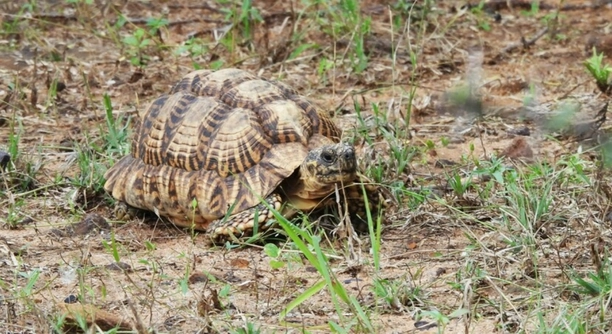
If you’re a star tortoise owner, you may wonder if your pet feels lonely sometimes. Tortoises, like other pets, can experience emotional changes, and loneliness is one of them. Recognizing these signs early can help improve their well-being.
Loneliness in star tortoises can be identified through behaviors such as reduced activity, lack of appetite, or excessive hiding. Tortoises may also become more aggressive or withdraw from social interactions. Observing these signs can help determine if your tortoise needs companionship.
Addressing loneliness in your star tortoise is crucial for their happiness and health. Keep reading to learn the signs and how to provide the right care for your pet’s emotional needs.
1. Understanding Star Tortoise Behavior
Star tortoises are naturally solitary creatures, but they still rely on certain social interactions for emotional well-being. While they don’t crave constant companionship, they can still feel lonely, especially if they are housed alone for long periods. Signs of loneliness can show up in various ways, from changes in eating habits to odd behavior patterns. It’s important to recognize when your tortoise is displaying these signs to help improve its quality of life. A star tortoise’s loneliness often stems from environmental factors, such as a lack of space or improper conditions, rather than being naturally antisocial. It’s vital to observe your pet’s routine and environment closely.
You might not notice loneliness right away, as tortoises are generally quiet. Their behavior is often subtle, requiring careful observation.
When a star tortoise feels isolated, it may spend more time in its shell or hide away in corners of the habitat. They often stop exploring or foraging and may seem less active than usual. These behaviors are typical responses to stress, and while they can also indicate illness, they are frequently linked to loneliness. If you notice these signs, it’s essential to adjust their environment to make it more stimulating. Adding new hiding spots, creating a larger space for them to roam, or even introducing a companion could help address the loneliness.
2. Impact of Loneliness on Health
Loneliness can also affect a tortoise’s physical health. A star tortoise that feels isolated might refuse food or become less interested in bathing. This can lead to dehydration, poor nutrition, and a weakened immune system. It’s important to ensure they receive enough care and attention.
Providing a suitable environment for your tortoise is one of the best ways to reduce the negative effects of loneliness. Offer a balanced diet, ensure proper hydration, and create a stimulating space that encourages natural behaviors. Regularly check on their well-being and monitor any changes in activity or appetite.
3. Decreased Activity
A lonely star tortoise tends to become less active. It may not explore its habitat as much or engage in usual activities like digging or basking. This lack of movement is often a sign that something is off with their emotional well-being.
Tortoises are naturally curious, and a decrease in activity may indicate that your pet is feeling isolated or bored. A lack of exercise can also lead to other issues like weight gain or stress, which can further affect their overall health. To help, try to create a more engaging environment with new objects to investigate, such as rocks, plants, or tunnels.
If your tortoise seems uninterested in its usual activities, it could be due to loneliness. Sometimes, adding a companion or increasing interaction can help reignite their curiosity. Make sure to also monitor their space to ensure it is stimulating enough to encourage movement.
4. Aggression
Lonely tortoises sometimes become more aggressive. This behavior can manifest as territorial actions, such as chasing or biting. It’s their way of expressing frustration or stress. Aggression is often a response to feeling neglected or confined.
In some cases, a star tortoise may show signs of aggression towards its environment or other animals. This could be a direct result of its loneliness. Tortoises are not typically aggressive by nature, but changes in behavior can occur when they feel their space is limited, or they lack social interaction. It’s important to monitor their actions closely to ensure no harm comes from their aggression.
If your tortoise is displaying signs of aggression, it’s a good idea to reconsider its living setup. Adding more space, hiding spots, or even another tortoise may help reduce stress and prevent aggressive behavior. Be patient, as it can take time for them to adapt to these changes.
5. Excessive Hiding
When a star tortoise feels lonely, it may spend a lot of time hiding. This behavior is often a way of avoiding interaction or stimuli. A tortoise that hides more than usual is likely feeling stressed or isolated.
Lonely tortoises seek shelter, sometimes retreating into their shells for long periods. If your tortoise is hiding frequently, it’s essential to check its living space and ensure it has access to plenty of open areas. If the environment feels too small or limited, it can increase the desire to hide.
6. Loss of Appetite
Loneliness can lead to a decrease in appetite for star tortoises. When stressed, they may refuse to eat or show little interest in food. It’s crucial to monitor their eating habits.
A sudden drop in appetite is often a sign of emotional distress. If your tortoise is not eating regularly, check for signs of loneliness. Providing a more stimulating environment or introducing a companion may help encourage eating habits.
FAQ
1. How can I tell if my star tortoise is lonely?
The signs of loneliness in a star tortoise include decreased activity, aggression, excessive hiding, loss of appetite, and a lack of interest in its environment. If your tortoise is less curious, spends more time in its shell, or shows frustration, it could be lonely. Regularly observing their behavior will help identify changes linked to emotional distress.
2. Can loneliness affect a star tortoise’s health?
Yes, loneliness can have a significant impact on a star tortoise’s health. Stress from isolation can lead to issues like loss of appetite, dehydration, or weakened immune function. Prolonged loneliness can result in physical health problems as well as emotional distress. It’s important to keep an eye on both their behavior and physical condition to ensure they are not suffering from loneliness.
3. Should I get a second tortoise to keep my pet company?
Introducing another tortoise can help if your pet is lonely, but it’s important to consider their compatibility. Star tortoises are generally solitary animals and might not always get along with others. Before getting a second tortoise, make sure the living space is large enough and that you can monitor their interactions carefully. If you’re unsure, consult with a vet or reptile expert about the best approach.
4. How can I make my star tortoise’s environment less lonely?
Creating a more stimulating environment can help reduce loneliness. Add hiding spots, climbing areas, and different textures to explore. You can also rotate objects or introduce new ones like rocks or plants. A larger, more enriched habitat can provide a variety of stimuli that encourage your tortoise to stay active and engaged.
5. What should I do if my star tortoise refuses to eat?
If your star tortoise refuses food, check for signs of loneliness, illness, or poor habitat conditions. Make sure their living area is warm enough and has the right humidity. Offering a variety of food options or changing their environment might help. If the refusal to eat continues, consult with a veterinarian.
6. Can I leave my star tortoise alone for long periods?
While star tortoises are independent, they still need regular care and attention. Leaving them alone for too long can lead to loneliness and stress. If you need to leave for an extended period, make sure someone can check on your tortoise, feed it, and monitor its behavior.
7. How can I encourage my star tortoise to be more active?
Increasing the space available and introducing new objects can motivate your tortoise to move around more. Make sure your tortoise has areas to explore and hide, and consider changing the setup periodically to keep it interesting. If it continues to show signs of inactivity, check for other potential causes such as illness or loneliness.
8. How do I know if my star tortoise is stressed?
Signs of stress in a star tortoise include excessive hiding, lack of appetite, changes in behavior, and aggression. If your tortoise shows these signs consistently, it’s important to evaluate its environment for possible stressors like temperature, lighting, or overcrowding. Loneliness and isolation can also contribute to stress, so keep an eye on how your tortoise is interacting with its surroundings.
9. Can a lonely star tortoise recover from emotional distress?
Yes, with the right changes in its environment and care, a lonely star tortoise can recover from emotional distress. Creating a more engaging habitat, providing companionship if appropriate, and ensuring regular interactions can help your tortoise feel less lonely. Always be patient, as it may take time for your pet to adjust.
10. What if my star tortoise is showing signs of aggression?
Aggression in a star tortoise can stem from loneliness, stress, or discomfort. If your tortoise is acting more aggressive, first examine its living conditions to ensure it is not overcrowded or feeling threatened. Introducing more hiding spots, adding variety to the environment, or considering a companion can help reduce aggression. If the behavior persists, consult a vet for advice.
Final Thoughts
Recognizing when your star tortoise is feeling lonely is important for its overall well-being. While these creatures are generally solitary by nature, they still need a stimulating environment and occasional interaction to stay happy and healthy. If your tortoise shows signs of loneliness, such as reduced activity or aggression, it’s essential to assess its living space and habits. Changes in behavior are often the first indicators that something isn’t quite right, and addressing those changes early can help prevent more serious emotional or physical issues.
A star tortoise’s environment plays a big role in its emotional health. By providing plenty of space, various hiding spots, and opportunities to explore, you can reduce the risk of loneliness. Additionally, tortoises thrive in environments that replicate their natural habitat, including the right temperature, humidity, and lighting. Sometimes, simple changes to their surroundings can make a big difference. For example, adding rocks, plants, or tunnels to explore can provide both physical and mental stimulation. These small adjustments will help keep your tortoise from feeling isolated or bored.
If your star tortoise’s loneliness seems to persist despite these changes, it may be worth considering the introduction of a companion. However, it’s crucial to ensure that both tortoises will coexist peacefully. Star tortoises are not naturally social, so adding a new one should be done carefully. It’s also important to make sure the habitat is large enough to accommodate two tortoises comfortably. If introducing a companion is not an option, spending more time interacting with your pet can also help. Just remember, with patience and the right care, a lonely star tortoise can be helped back to health, emotionally and physically.

Hello,
If you enjoy the content that we create, please consider saying a "Thank You!" by leaving a tip.
Every little bit helps us continue crafting quality advice that supports the health, happiness, and well-being of pets around the world, for pets of all shapes, sizes, and species.
We really appreciate the kindness and support that you show us!