
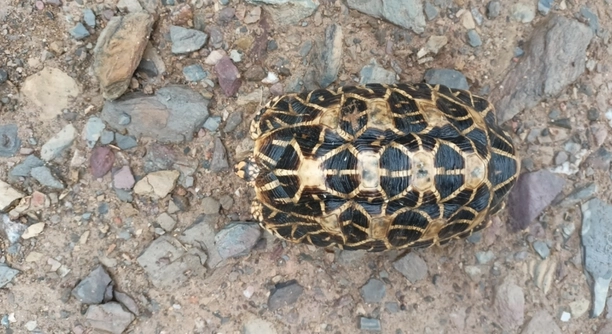
Bringing a new star tortoise into your home is an exciting experience, but it can also be overwhelming for both you and your pet. Tortoises are sensitive creatures that need special care and attention to thrive.
There are several ways to reduce stress for your new star tortoise, including creating a comfortable habitat, providing proper nutrition, and maintaining a stable environment. Ensuring that they feel safe and secure will help them adjust and reduce anxiety.
From selecting the right enclosure to offering a balanced diet, there are simple steps to make your tortoise feel more at ease. Understanding these tips will lead to a smoother transition for your new pet.
Create a Comfortable Habitat
A comfortable habitat is essential for your star tortoise to feel safe and secure. The first step is to choose the right enclosure. A spacious tank or a secure outdoor pen with plenty of room for movement is ideal. Tortoises need both warm and cool areas in their habitat. This allows them to regulate their body temperature by moving between zones. Include a hideaway where they can retreat to when they need peace and quiet. It’s important to mimic natural conditions, so adding plants and a substrate that holds moisture can help create a more familiar environment for your tortoise. Avoid placing the enclosure in high-traffic areas, as loud noises and constant movement can increase stress levels.
Keeping the enclosure clean and free of any harmful items like sharp objects or toxic plants will help maintain their well-being. Always be mindful of the environment around them, as it plays a big role in their health.
A stable environment reduces stress significantly. Regularly check the humidity and temperature to ensure they stay within a comfortable range. This will help them feel more at ease and adjust better to their new home.
Proper Nutrition
Offering a balanced diet plays a big role in your tortoise’s overall well-being. Fresh, leafy greens like dandelion greens, collard greens, and kale should be part of their daily meals. These foods provide essential vitamins and minerals for their growth. Avoid feeding them too much fruit, as it can upset their digestive system. Make sure to also provide a constant supply of fresh water in a shallow dish to avoid dehydration. A calcium supplement can be sprinkled over their food a few times a week to support strong shell growth.
If you’re unsure about the right nutrition plan, consulting with a veterinarian familiar with tortoises can help create the best diet plan. Providing them with variety will ensure they receive all the nutrients they need while reducing stress related to food scarcity.
Tortoises are herbivores, so ensuring they get the right mix of vegetables, calcium, and fiber is crucial. Be consistent with feeding times and avoid changing their diet suddenly, as that can lead to digestive issues and stress.
Provide a Secure and Quiet Environment
Keeping your star tortoise in a quiet, secure environment helps prevent stress. Avoid placing the enclosure in areas with loud noises or excessive foot traffic. A quiet spot where they feel safe will encourage them to settle in more quickly.
Tortoises are naturally shy and prefer calm, low-stress surroundings. A noisy environment with lots of movement can make them anxious and even cause health problems over time. Choose a corner of the room that’s away from everyday hustle and bustle. If you’re keeping your tortoise outdoors, make sure there are no other animals or hazards nearby.
A consistent, predictable environment will help your tortoise relax. The less change they experience, the more comfortable they’ll feel. If they feel secure, they’re more likely to explore their surroundings and start to thrive.
Offer Proper Lighting and UVB
Proper lighting is essential for your tortoise’s health. Star tortoises need UVB light to help them metabolize calcium, which is critical for their shell and bone development. Without it, they can suffer from metabolic bone disease.
Place a UVB light over the enclosure to ensure they get the right amount of exposure. Natural sunlight is ideal, but if that’s not possible, a UVB bulb specifically designed for reptiles will work. It’s important to have the light on for 10-12 hours a day, mimicking the natural daylight cycle.
Make sure to replace the UVB light every 6 to 12 months, as its effectiveness decreases over time. Additionally, make sure your tortoise has access to a shaded area so they can escape from the light if needed.
Monitor Temperature and Humidity
Maintaining the right temperature and humidity in your tortoise’s habitat is key to reducing stress. Too much heat or cold can cause discomfort, while improper humidity can affect their health.
Use a reliable thermometer and hygrometer to monitor these levels regularly. Ideal temperatures should range between 80°F and 90°F during the day, with a cooler area for your tortoise to retreat. At night, temperatures can drop slightly. Keep humidity levels around 50-60% to prevent respiratory issues and shell problems.
Maintaining proper temperature and humidity ensures that your tortoise feels comfortable and has the best chance of thriving in its new home.
Provide a Suitable Substrate
The substrate is the material at the bottom of the enclosure. It should be safe, absorbent, and easy for your tortoise to move around in. Avoid sand or gravel, as these can irritate their skin and eyes.
Use coconut coir, cypress mulch, or organic topsoil as a suitable substrate. These materials are absorbent, help maintain humidity, and provide a more natural feel. Make sure to change the substrate regularly to keep the environment clean and prevent mold growth. A proper substrate helps your tortoise stay stress-free and healthy.
FAQ
How do I know if my star tortoise is stressed?
Signs of stress in a star tortoise include a lack of appetite, excessive hiding, and unusual behaviors like pacing or restlessness. They may also refuse to bask under their UVB light or become less active than usual. A stressed tortoise may also show signs of shell deformities over time due to improper nutrition or an inadequate environment. If you notice any of these symptoms, it’s important to assess their habitat and routine to ensure everything is set up correctly.
What is the best way to handle my star tortoise?
Star tortoises are naturally shy and prefer not to be handled too much. When you do need to handle them, be gentle and slow to avoid causing stress. Always support their body fully, never pick them up by the shell, as this can cause injury. Hold them securely with both hands, and avoid gripping too tightly. Limit handling to once a week or less, and ensure that they feel safe in their environment.
Can I keep more than one star tortoise together?
Star tortoises can sometimes live together, but it depends on the individual tortoises’ temperament. Male tortoises, in particular, can become territorial and aggressive toward each other, especially in smaller enclosures. If you do want to house multiple tortoises together, make sure the space is large enough for them to have separate areas. Always monitor them for signs of aggression, such as chasing or biting.
How often should I clean my star tortoise’s enclosure?
A star tortoise’s enclosure should be cleaned regularly to prevent the buildup of bacteria and parasites. Spot clean daily by removing any waste, uneaten food, or soiled substrate. Perform a deeper cleaning once every two weeks by removing all substrate and thoroughly cleaning the enclosure with a reptile-safe disinfectant. A clean environment helps reduce stress and keeps your tortoise healthy.
What should I feed my star tortoise?
A star tortoise is an herbivore, so their diet should consist mostly of leafy greens, grasses, and some flowers. Suitable options include dandelion greens, collard greens, mustard greens, and hibiscus flowers. Avoid feeding them too many fruits, as they can cause digestive problems. You can also offer occasional supplements like calcium powder to support shell health. Make sure all food is washed thoroughly to avoid pesticides.
How do I maintain the right temperature for my star tortoise?
A heat source such as a basking light is essential for maintaining the right temperature in your star tortoise’s enclosure. During the day, the basking spot should be around 90°F, with a cooler area around 75°F for them to retreat to. At night, the temperature can drop to 70°F. Using a reliable thermometer will help you monitor the temperature accurately. Ensure the heat source is not too close, as this can cause overheating.
What kind of lighting does a star tortoise need?
Star tortoises need both heat and UVB light to stay healthy. UVB light helps them synthesize vitamin D3, which is crucial for calcium absorption. Without UVB, they can develop metabolic bone disease. Make sure to provide a UVB light for 10 to 12 hours a day and place it within 12 inches of the basking spot. If possible, let them have access to natural sunlight, as it’s the best option for their health.
How can I keep my star tortoise hydrated?
Star tortoises get most of their water from the food they eat, but it’s still important to provide access to fresh water at all times. Offer a shallow dish of water in the enclosure, ensuring it’s not deep enough for them to accidentally drown. You can also soak your tortoise in shallow water for about 15-20 minutes a couple of times a week to help with hydration, especially during dry seasons.
Can I let my star tortoise roam outside?
Yes, but only in a secure, safe area. If you live in a suitable climate, you can allow your star tortoise to roam outside during warm months. However, make sure the area is free from predators, toxins, and escape routes. A fenced-in yard or tortoise-safe pen is ideal for supervised outdoor time. Never leave your tortoise outside unattended.
How do I provide proper humidity for my star tortoise?
Humidity is important for star tortoises to maintain healthy skin and prevent respiratory problems. To maintain the right level, keep the humidity in their enclosure around 50-60%. You can achieve this by misting the enclosure daily and using a substrate that retains moisture, such as coconut coir or cypress mulch. Monitor humidity levels with a hygrometer to ensure they stay within the ideal range.
How long do star tortoises live?
Star tortoises have a long lifespan, often living for 50 years or more in captivity if well cared for. This makes them a long-term commitment. Providing the proper environment, diet, and care will help ensure they have a long, healthy life. Regular veterinary checkups can also catch any potential health problems early, extending their lifespan.
Final Thoughts
Taking care of a star tortoise can seem like a big responsibility, but it’s a rewarding experience. These tortoises may be small, but they have unique needs that require attention. Creating the right environment for them is crucial. From maintaining the correct temperature and humidity to ensuring they have a proper diet, each element plays an important role in their well-being. By staying consistent with their care and making sure their habitat mimics their natural surroundings, you’ll be setting them up for a happy and healthy life.
Though star tortoises are relatively low-maintenance compared to some other pets, they still need regular attention. Regular cleaning of their enclosure, proper lighting, and UVB exposure are all important parts of keeping them stress-free. Handling them gently and not too frequently will help them feel more secure in their environment. Pay attention to their behavior and look for signs of stress, which can be a signal to adjust their care. Over time, you’ll learn what makes your tortoise feel most at ease.
Patience is key when it comes to raising a star tortoise. They need time to adjust to their new home and will thrive best in a stable, calm environment. Keeping their space clean, their diet varied, and their habitat well-maintained will ensure they stay healthy. Once you’ve created the right conditions, you’ll see your tortoise grow and flourish. With the proper care, star tortoises can live long, healthy lives, bringing joy to your home for many years.

Hello,
If you enjoy the content that we create, please consider saying a "Thank You!" by leaving a tip.
Every little bit helps us continue crafting quality advice that supports the health, happiness, and well-being of pets around the world, for pets of all shapes, sizes, and species.
We really appreciate the kindness and support that you show us!