
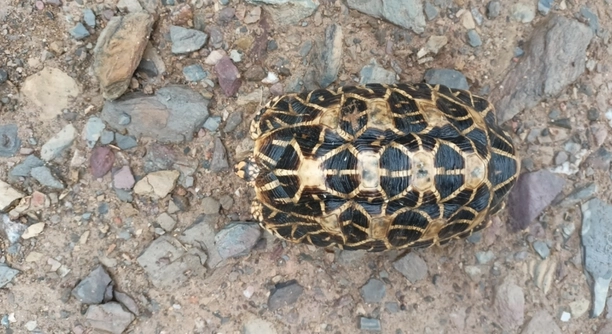
If you’re noticing your star tortoise moving its head frequently, you’re not alone. This behavior can seem puzzling, but understanding why it’s happening will help you take the best care of your pet.
Star tortoises may move their heads for various reasons, including communication, environmental changes, or natural behaviors like exploring. It’s essential to observe these movements closely to identify the specific cause and ensure your pet’s well-being.
By observing your tortoise closely, you’ll gain a deeper understanding of its needs and how to improve its environment for optimal health.
Natural Behavior: Exploring and Investigating
Star tortoises are naturally curious animals. In the wild, they constantly move their heads to check their surroundings for food, shelter, or potential threats. This behavior is simply a part of their routine as they explore their environment. When your tortoise moves its head, it could be trying to better understand the space around it. The movement helps it assess its immediate surroundings, even in captivity.
This type of behavior is nothing to worry about, as it is natural for star tortoises to be alert and aware of their environment.
However, if the head movement seems excessive, it’s a good idea to check if anything in the environment is causing discomfort or if there’s any sign of illness. A balance of observation and proper habitat management can help ensure your tortoise is happy and healthy.
Stress or Discomfort
Tortoises often use head movements as a sign of stress. If there’s a sudden change in temperature, lighting, or even the presence of other pets, your tortoise may become anxious.
Stressful situations can cause them to act out, including moving their heads more frequently. Changes in their habitat, like moving them to a new enclosure or introducing a new companion, could be triggering this behavior.
In addition to head movement, you may notice other signs of stress, such as hiding or lack of appetite. To reduce stress, keep your tortoise’s environment stable and avoid making too many changes at once. A peaceful setting encourages relaxation, which is essential for their health. Keep an eye on these behaviors and make necessary adjustments to their habitat for comfort.
Communication and Mating Behavior
Head movements can also signal communication, especially during mating season. Male star tortoises often exhibit head bobbing and moving their heads in certain patterns to attract females. These movements are a part of their natural courtship ritual.
While this behavior is more common in males, females might also exhibit similar head movements as a sign of receptiveness. The intensity and frequency of head movements can vary depending on the tortoise’s age, health, and reproductive cycle. If your tortoise is showing more head movement than usual, it might be linked to these natural instincts.
This type of behavior is often harmless, and your tortoise may just be trying to communicate or attract attention. Understanding the reasons behind these movements helps you manage your pet’s environment to ensure they’re comfortable and stress-free during this time. Keeping their enclosure stable and undisturbed can help maintain their natural rhythms.
Environmental Factors
Changes in lighting, humidity, and temperature can also make your tortoise move its head. If the enclosure is too hot or cold, the tortoise might move its head in an attempt to find a more comfortable area.
A temperature gradient is crucial in a star tortoise’s habitat. If they are too warm or too cold, they might move their heads more frequently, searching for a spot that feels just right. Ensure that your pet has access to both warm and cool areas, allowing them to regulate their body temperature.
By adjusting the temperature and lighting to suit your tortoise’s needs, you can reduce unnecessary head movements caused by environmental stress. Regularly monitor your tortoise’s behavior and check if it shows any signs of discomfort due to environmental factors, making sure to maintain a stable and comfortable environment for them.
Health Issues
Head movements can sometimes be linked to health problems. If your star tortoise is ill, it might move its head in an attempt to communicate discomfort. Look out for other signs, such as lack of appetite or unusual behavior.
Common health issues like respiratory infections can cause your tortoise to move its head more often. In these cases, they may stretch their necks to breathe better or indicate pain. If you notice any changes in their usual behavior or posture, it’s important to consult a vet.
Head movements can also indicate shell or eye problems. For example, if your tortoise is having trouble seeing, it might repeatedly move its head to try and focus better. A checkup with a reptile vet is recommended to rule out health issues.
Feeding Habits
Sometimes, your tortoise’s head movement may be related to hunger. They may bob their heads when they’re excited about food or when they see food nearby.
This is often a positive sign, showing that your tortoise is healthy and active. Star tortoises are foragers, so they’re naturally inclined to move when they detect food.
If your tortoise is constantly moving its head and seems eager for food, it could just be looking for its next meal. It’s a normal behavior tied to their feeding instincts. Keep a regular feeding schedule to avoid overfeeding or underfeeding.
FAQ
Why does my star tortoise keep moving its head?
Star tortoises often move their heads for several reasons, including exploring their environment, communicating with other tortoises, or responding to changes in their habitat. It’s part of their natural behavior. If it’s more frequent than usual, stress, discomfort, or health issues could be factors.
Is it normal for my tortoise to bob its head?
Yes, it is normal for star tortoises to bob their heads. This can be a sign of curiosity, mating behavior, or just part of their routine exploration. Male tortoises, especially, may bob their heads as a way to attract females.
How can I tell if my tortoise is stressed?
Stress in star tortoises can show through excessive head movement, hiding, loss of appetite, or lethargy. Factors like sudden changes in temperature, lighting, or social interaction can cause this stress. To help, keep their environment stable and avoid major changes.
Can head movements indicate a health issue?
Yes, frequent or unusual head movements can be a sign of a health issue. Respiratory infections, eye problems, or even digestive issues may cause your tortoise to stretch or move its head more often. If the behavior continues or is accompanied by other signs, it’s best to consult a vet.
Should I be concerned if my tortoise moves its head after eating?
Not necessarily. If your tortoise moves its head after eating, it could simply be adjusting itself or trying to find a comfortable position. However, if the behavior is excessive and seems to cause discomfort, it could signal digestive problems or other health issues.
What can I do to reduce excessive head movements?
First, ensure that your tortoise’s environment is stable. Check the temperature, humidity, and lighting in its enclosure to make sure everything is within the right range. Reducing stress by keeping their habitat calm and consistent can help reduce unnecessary head movements.
Can my tortoise’s head movements be a sign of dehydration?
Yes, dehydration can cause discomfort in tortoises, which may result in increased head movement. If you notice your tortoise moving its head more often and showing signs of dehydration, such as dry skin or sunken eyes, increase its water intake and consider consulting a vet.
What should I do if my tortoise’s head movements seem abnormal?
If your tortoise’s head movements are excessive, seem abnormal, or are accompanied by other signs of illness (like loss of appetite, lethargy, or respiratory distress), it’s essential to consult a vet. An experienced reptile vet can diagnose the issue and recommend the proper treatment.
Can other pets cause my tortoise to move its head?
Yes, the presence of other pets can cause stress for your tortoise. If it feels threatened or uneasy, it may move its head more frequently. It’s important to monitor interactions between pets and ensure that your tortoise feels safe in its environment.
Is my tortoise’s head movement a sign of happiness?
Head movement can indicate excitement or curiosity, which can be signs of a happy tortoise. For example, your tortoise might move its head when it sees food or when exploring a new area. If it seems calm and healthy, then it’s likely just a normal behavior.
Why does my tortoise move its head in circles?
If your tortoise is moving its head in circular motions, this could be a sign of disorientation, vision problems, or neurological issues. It may also be a behavior caused by stress or injury. If this behavior persists, it’s best to seek advice from a vet.
How can I make my tortoise feel more comfortable?
To make your tortoise feel more comfortable, ensure it has a proper habitat with the right temperature, humidity, and lighting. Provide a variety of hiding spots and keep its environment calm. Reducing stress and maintaining stability in its enclosure will help your tortoise feel secure.
Can improper lighting cause my tortoise to move its head?
Yes, improper lighting can cause your tortoise to move its head. Star tortoises need a proper balance of UVB lighting to regulate their behavior and health. If the lighting is too weak or inconsistent, it may cause stress or confusion, leading to abnormal head movements.
Final Thoughts
Observing your star tortoise’s behavior, including its head movements, is a normal part of being a responsible pet owner. Most of the time, head movements are simply a sign that your tortoise is exploring its environment, communicating, or adjusting to its surroundings. These movements are a natural behavior, especially if your tortoise is healthy and active. It’s important to remember that some head movements can also be part of normal routines, like searching for food or adjusting to different lighting conditions in its habitat. If the movements are mild and don’t seem to cause your tortoise distress, they are likely harmless.
However, it’s essential to remain vigilant for any signs of stress or health problems. If your tortoise is moving its head excessively or in an unusual way, it may be a sign that something is wrong. Stress can be caused by environmental changes, poor lighting, or discomfort. Health issues, such as respiratory infections or vision problems, can also lead to unusual head movements. Being aware of these signs and taking steps to ensure your tortoise’s habitat is stable can go a long way in preventing unnecessary stress. If you’re ever in doubt about your tortoise’s behavior, consulting with a vet is always a good option.
Ultimately, understanding the reasons behind your tortoise’s head movements will help you create a more comfortable and stress-free environment for your pet. Keep its habitat consistent, monitor any changes in behavior, and ensure it’s healthy and well-cared-for. By doing so, you can provide your star tortoise with a happy and fulfilling life. While head movements are typically a normal behavior, staying aware of any changes will allow you to catch potential issues early and address them as needed. Always prioritize your pet’s well-being, and you’ll be able to enjoy watching it thrive.

Hello,
If you enjoy the content that we create, please consider saying a "Thank You!" by leaving a tip.
Every little bit helps us continue crafting quality advice that supports the health, happiness, and well-being of pets around the world, for pets of all shapes, sizes, and species.
We really appreciate the kindness and support that you show us!