
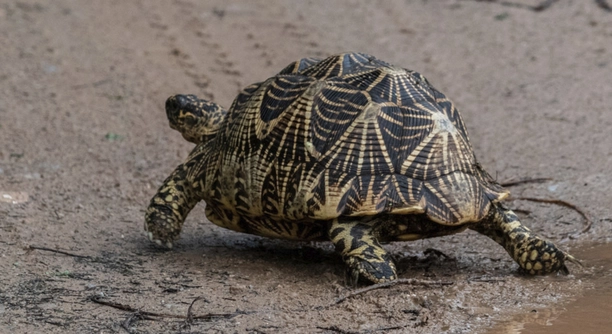
Star tortoises are fascinating creatures that require the right care to stay active and healthy. Keeping them happy means providing proper stimulation and maintaining their well-being. Their health depends on your attention to specific factors that promote a thriving environment.
To ensure your star tortoise remains healthy and active, providing a balanced diet, appropriate enclosure size, and regular physical activity is essential. Offering a varied diet, optimizing environmental conditions, and encouraging natural behaviors like walking are key factors in promoting longevity.
Understanding the basics of your tortoise’s care can make a world of difference. From diet to habitat, the next steps will help you make the most of your star tortoise’s health journey.
Provide a Balanced Diet for Your Star Tortoise
A balanced diet is one of the most important aspects of keeping your star tortoise healthy. These tortoises require a variety of leafy greens, vegetables, and occasional fruits. Common options include dandelion greens, kale, and collard greens, as well as certain fruits like strawberries or melons. It’s important to avoid offering them high-protein foods like meat or dairy, as this can lead to kidney issues. Fiber is another crucial element, helping with digestion. Providing different types of food ensures they get the necessary nutrients to thrive and stay active.
Make sure the food you offer is free of pesticides and chemicals. It’s also wise to provide fresh water daily and avoid giving too much fruit to prevent obesity.
A well-balanced diet helps maintain a healthy weight and supports energy levels, allowing your star tortoise to remain active throughout the day. You should also dust their food with calcium and vitamin D3 supplements to promote proper bone health. These nutrients are vital for shell development and overall growth. Keep track of their eating habits to make sure they’re getting a healthy variety.
Create the Right Habitat
Your tortoise’s environment plays a big role in its activity level and health. A proper habitat provides a safe, warm space where your tortoise can thrive.
For starters, ensure the enclosure is spacious. A larger space encourages movement, which helps keep your tortoise active and healthy. Star tortoises need a place to roam and explore, mimicking their natural habitat. A simple way to set this up is by using a large tank, outdoor pen, or even a secure yard. You’ll need to include basking areas with temperatures around 90°F and shaded zones to cool off.
Make sure the substrate in the enclosure is suitable. Use materials like coconut coir or a mixture of soil and sand, which will help with digging and exploring. Providing rocks and logs for climbing will also stimulate physical activity. Regularly clean the enclosure and check the temperature and humidity levels. This ensures your star tortoise can move around comfortably and stays healthy for the long term.
Encourage Natural Movement
Star tortoises need space to move around, so it’s important to encourage physical activity. Creating an environment where they can roam, explore, and climb will keep them physically fit. Without enough stimulation, they may become sluggish and less active.
Letting your tortoise explore different areas, like safe outdoor spaces, will encourage movement. If you have an outdoor enclosure, try placing rocks, logs, or plants to create obstacles and encourage your tortoise to explore. Offering a variety of textures in the environment, like grass or dirt, can also motivate them to walk and move around more frequently. Movement is key to preventing obesity and promoting healthy muscle development.
Indoor enclosures should also mimic this level of activity. You can provide ramps or safe climbing surfaces to encourage exercise. Even simple changes in their environment, such as moving the water bowl to a different area, will prompt your tortoise to move around more often. A lack of physical activity can lead to health issues, so it’s essential to keep them moving regularly.
Maintain Proper Lighting
Good lighting is essential for a star tortoise’s health. UVB light is critical for the synthesis of vitamin D3, which helps with calcium absorption. Without proper UVB exposure, your tortoise could develop shell deformities and other health issues.
UVB lights should be placed within 12 to 18 inches of your tortoise’s basking area to ensure effective exposure. These lights need to be replaced every 6 months, as their intensity decreases over time. Ensure that your tortoise has access to natural sunlight or UVB lighting for at least 10-12 hours a day. Without it, they may not get the nutrients they need to stay active and healthy.
In addition to UVB light, maintaining the correct temperature gradient is also necessary. A basking spot should be around 90°F, while the cooler areas should range from 75°F to 80°F. This temperature difference encourages your tortoise to move between areas, promoting physical activity. Regular monitoring of temperature and lighting will help keep your star tortoise healthy and active.
Hydration is Key
Hydration is important for your star tortoise’s health. Make sure fresh water is available at all times. Dehydration can lead to serious health problems like kidney issues.
Change the water daily and ensure the water dish is shallow enough for your tortoise to drink easily. It’s also a good idea to occasionally mist the enclosure to help maintain humidity. This helps with hydration and overall skin health. A well-hydrated tortoise is more likely to remain active and enjoy a healthy lifestyle.
Regular Health Checkups
Regular health checkups help catch potential problems early. It’s important to take your star tortoise to a vet that specializes in reptiles. These checkups ensure that any health issues, such as parasites or malnutrition, are addressed promptly.
During the checkup, the vet will check for any abnormalities in the shell or skin. They will also monitor your tortoise’s weight, overall condition, and behavior. A healthy star tortoise should be active, with a smooth and intact shell. A regular vet visit helps prevent common illnesses and ensures your tortoise stays healthy and active for years to come.
Keep the Enclosure Clean
Keeping the enclosure clean is essential for your tortoise’s well-being. Regular cleaning prevents the buildup of bacteria and parasites, which can cause illness.
Remove uneaten food and waste daily to maintain a hygienic environment. Clean the water bowl regularly and wash any toys or accessories in the enclosure. It’s also important to replace the substrate material every few weeks to ensure a fresh and clean habitat. A clean enclosure reduces the risk of health issues and helps your star tortoise feel comfortable, allowing them to remain active and healthy.
FAQ
How often should I feed my star tortoise?
You should feed your star tortoise every day, but the amount varies based on its size and age. Juvenile tortoises may need more frequent feedings, while adults can usually be fed once a day or every other day. Offer fresh greens daily, and occasionally, you can add fruit or vegetables as treats. Monitor their weight and adjust the amount of food to prevent obesity. The key is consistency and variety to ensure they get the proper nutrients they need to stay healthy and active.
What type of food can I feed my star tortoise?
Star tortoises primarily eat leafy greens like dandelion greens, collard greens, and kale. You can also feed them other vegetables like squash, zucchini, and bell peppers. Fruits should be offered sparingly due to their high sugar content. Avoid feeding them high-protein foods, dairy, or meat, as it can lead to kidney problems. It’s best to vary their diet to ensure they receive a range of nutrients. Always ensure their food is pesticide-free and fresh to avoid any health issues.
Can star tortoises eat fruits?
Yes, star tortoises can eat some fruits, but only in moderation. Safe fruits include strawberries, melons, and papaya. Fruits should be offered as an occasional treat rather than a regular part of their diet due to the high sugar content. Too much fruit can lead to weight gain and digestive issues. Offering small portions of fruit occasionally will allow your tortoise to enjoy variety while keeping its diet balanced.
How much space do star tortoises need?
Star tortoises need ample space to roam, as they are naturally active animals. A minimum of 40 square feet of space is recommended for a single adult star tortoise. The more room you can provide, the better. A larger enclosure allows for natural exploration and movement, helping to keep your tortoise healthy. Whether it’s a large indoor enclosure or an outdoor pen, providing adequate space encourages physical activity and helps prevent obesity.
Can star tortoises live outside?
Yes, star tortoises can live outside in the right climate. If you live in a warm climate with temperatures consistently above 70°F, an outdoor pen can be a great option. Ensure the outdoor space is secure to prevent escapes and protect your tortoise from predators. Provide plenty of hiding spots, a water dish, and shaded areas where they can cool down. During colder months, bring them indoors or provide heating to ensure they stay warm and comfortable. Always monitor the temperature to ensure they’re not exposed to extremes.
What is the ideal temperature for a star tortoise?
The ideal temperature for a star tortoise should have a warm basking area of about 90°F and cooler areas between 75°F and 80°F. This gradient helps your tortoise regulate its body temperature and stay active. Provide both heat lamps and UVB lights to create these conditions. If your tortoise’s habitat is too cold, it can lead to lethargy and other health problems. Proper temperature control is essential for digestion and overall well-being.
How can I tell if my star tortoise is sick?
Signs of illness in a star tortoise include lethargy, lack of appetite, abnormal shell appearance, or difficulty moving. If your tortoise is not eating or drinking, or if it’s staying in one spot for long periods, it may indicate a health issue. Other symptoms to look for include nasal discharge, swollen eyes, or abnormal growth on the shell. If you notice any of these signs, it’s important to consult a reptile vet immediately to get proper treatment.
Do star tortoises need a UVB light?
Yes, UVB light is essential for a star tortoise. It helps them produce vitamin D3, which is crucial for calcium absorption. Without proper UVB exposure, your tortoise may suffer from metabolic bone disease, which can lead to shell deformities and other health problems. Ensure that your tortoise has access to UVB light for 10-12 hours a day, either from natural sunlight or a specialized UVB bulb.
How long can star tortoises live?
Star tortoises can live for a long time, often reaching 50 years or more in captivity with proper care. Their lifespan can vary depending on their environment and diet, but with good husbandry practices, they can enjoy a long, healthy life. To ensure longevity, focus on a balanced diet, appropriate habitat, regular health checkups, and proper care to keep them active and happy throughout their life.
Do star tortoises hibernate?
Star tortoises do not truly hibernate but may enter a state of dormancy during cooler months, especially in regions with colder temperatures. In captivity, it’s important to maintain a consistent temperature to prevent dormancy. If your tortoise does become less active during the winter, it could be a natural response to cooler conditions. However, prolonged inactivity in warm temperatures may indicate a health issue, and you should consult a vet if this happens.
How can I clean my star tortoise’s enclosure?
To clean your star tortoise’s enclosure, remove any uneaten food and waste daily. Weekly, you should clean the substrate by replacing it with fresh material. For more thorough cleaning, wash the enclosure walls, furniture, and water dish with mild soap and water. Make sure everything is thoroughly rinsed and dried before putting it back in. Regular cleaning prevents bacteria and parasites, helping to keep your tortoise healthy.
Final Thoughts
Taking care of a star tortoise requires attention to detail, but the rewards are well worth the effort. By providing the right environment, a balanced diet, and regular activity, you can ensure your tortoise stays healthy and active for many years. It’s important to remember that every tortoise is unique, and their needs may change as they grow older. Being attentive to their behavior and health will help you adjust their care as needed.
The key to keeping a star tortoise healthy lies in maintaining a balance. A spacious and clean habitat, along with the proper lighting and temperature, plays a large role in promoting physical activity and well-being. Remember to provide a varied diet that includes leafy greens and vegetables while limiting fruits and high-protein foods. Regular hydration and routine health checkups also ensure your tortoise’s health remains on track. When you pay attention to these factors, you are giving your tortoise the best chance for a long, active life.
By following these simple steps and guidelines, you can enjoy watching your star tortoise thrive. Whether you’re keeping them indoors or in an outdoor pen, the goal is to mimic their natural habitat as closely as possible. A healthy tortoise is a happy tortoise, and with the right care, your star tortoise will lead a full, energetic life. Stay consistent, stay observant, and enjoy the process of learning about and caring for this fascinating creature.

Hello,
If you enjoy the content that we create, please consider saying a "Thank You!" by leaving a tip.
Every little bit helps us continue crafting quality advice that supports the health, happiness, and well-being of pets around the world, for pets of all shapes, sizes, and species.
We really appreciate the kindness and support that you show us!