
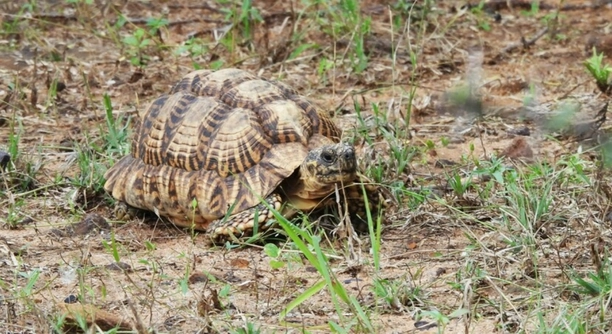
Your star tortoise may be running into walls more often than you’d like. This behavior can seem confusing but can usually be traced back to a few specific reasons. Understanding these causes can help you address the issue.
The most common reason for a star tortoise running into walls is poor environmental setup. Tortoises often move based on instinct, and walls can create confusion or frustration. Adjusting your habitat layout and ensuring enough space may help reduce this behavior.
Making small changes to your tortoise’s environment could lead to a happier, healthier pet. There are other factors to consider as well.
Lack of Space in the Habitat
A star tortoise needs enough room to roam freely. If their environment is too small, they can become stressed and confused, which may cause them to run into walls. A cramped space limits their natural movement and could result in repetitive behavior like bumping into barriers. It’s important to create an environment that allows your tortoise to move around without obstacles.
Even a slight change in the space can make a difference. Ensure your tortoise has a large enough area to explore, with room for hiding places and a good mix of textures. This will help stimulate natural movement and prevent stress.
If your tortoise’s habitat is too small, they might feel trapped and start running into walls. Creating a more spacious environment could reduce this behavior. A larger area provides more freedom for your tortoise to wander and explore, leading to fewer collisions.
Walls and Obstacles in the Way
Sometimes, the walls in your tortoise’s enclosure are just too close, leaving no room for them to adjust their movements. A star tortoise, like many other reptiles, relies on its instincts to move in a straight line. If the walls are too close or arranged in a way that blocks their path, they can become confused. When tortoises get frustrated, they often try to push forward, leading them to bump into barriers.
To fix this issue, reconsider the placement of walls or obstacles in the enclosure. Make sure there’s a clear path for your tortoise to move freely. It might help to rearrange objects inside, providing a more open and less cluttered environment. Avoid placing objects directly against the walls, so your tortoise can easily navigate the space.
Changing the setup of their enclosure might seem like a simple solution, but it could make a big difference. Tortoises are sensitive to their surroundings, and even small adjustments can help them feel more comfortable and secure. With less confusion in their environment, they are less likely to run into walls.
Insufficient Lighting or Heat
If your tortoise’s enclosure isn’t properly lit or heated, it may cause them to act erratically. Star tortoises, like all reptiles, rely on their surroundings for temperature regulation. A lack of proper lighting or heat can lead to disorientation, making them more likely to run into walls.
The absence of heat sources or too little light can affect your tortoise’s ability to navigate and move comfortably. Tortoises need warmth to stay active, and insufficient heat can leave them lethargic or unsure of their surroundings. Make sure to set up a proper lighting system with a heat lamp to encourage natural movement.
A consistent light and heat source creates a more predictable environment for your tortoise. Without proper temperatures, they may try to seek out warmth, even if it means running into walls. Adjusting your setup to ensure they have access to both light and heat could solve the issue of your tortoise’s erratic behavior.
Stress and Anxiety
Stress can manifest in various ways for star tortoises, and running into walls is one of them. A stressed tortoise may display this behavior as they try to escape perceived threats or uncomfortable situations. Ensuring a peaceful and safe environment is key to calming their nerves.
Factors like loud noises, sudden movements, or even nearby pets can cause anxiety in your tortoise. If they feel threatened, they may begin pacing or running into walls in search of safety. You can help by providing a quiet, calm space for your tortoise to retreat to, away from potential stressors.
Creating a more relaxed environment for your tortoise is essential. By minimizing stressful influences, like noisy areas or interactions with other animals, you can help reduce anxiety. If your tortoise feels safe in their space, they’ll be less likely to engage in behaviors like running into walls.
Poor Diet and Lack of Nutrition
A star tortoise’s diet plays a big role in its behavior. If your tortoise isn’t getting enough nutrients, it may become weak, confused, or agitated. This could lead to erratic behavior like running into walls.
Make sure your tortoise is eating a balanced diet that includes a variety of leafy greens, vegetables, and occasional fruits. Deficiencies in essential vitamins and minerals can cause discomfort and disorientation. A well-fed tortoise will have more energy and better coordination, reducing the likelihood of them running into walls.
Feeding your tortoise the right nutrients is essential to its overall well-being. Without proper nourishment, they may act out or seem disoriented. Make adjustments to their diet, ensuring they get everything they need to feel their best.
Inadequate Substrate
The type of substrate in your tortoise’s enclosure can also affect their movement. If the substrate is too slippery or uneven, it can make it difficult for your tortoise to navigate. This could lead to them running into walls as they struggle to find stable footing.
Choose a substrate that is both comfortable and easy for your tortoise to walk on, like a mixture of soil, sand, and coconut husk. The right texture allows your tortoise to move more naturally and helps prevent the frustration of slipping or stumbling. Proper substrate also makes it easier for your tortoise to dig, an activity they enjoy.
Having the right substrate is crucial to your tortoise’s comfort. If their environment is not suited for natural movement, it can result in accidents like running into walls. Consider adjusting the substrate to a more suitable option to improve their mobility.
Health Issues
If your tortoise’s behavior is inconsistent or they are frequently running into walls, it could be a sign of underlying health issues. Conditions like eye problems, neurological disorders, or even infections can affect their vision and coordination, leading to erratic movements.
It’s important to observe your tortoise closely for any signs of illness, such as changes in appetite, lethargy, or difficulty moving. If you notice these symptoms, it’s best to consult with a vet who specializes in reptiles. A timely check-up can help rule out any medical issues that might be causing your tortoise to bump into walls.
A healthy tortoise is more likely to behave normally and move confidently within its enclosure. Health problems, however, can lead to confusion and poor coordination. A vet visit may be necessary to ensure your tortoise stays in optimal condition.
FAQ
Why does my star tortoise run into walls?
A star tortoise may run into walls due to various reasons like poor environmental setup, lack of space, inadequate lighting, or stress. If their habitat is too small or poorly arranged, it can confuse your tortoise and cause them to bump into barriers. Additionally, insufficient heat or light can disorient them. Stress, caused by external factors like noise or other pets, can also lead to repetitive behaviors like running into walls. Ensure that your tortoise’s environment is spacious, calm, well-lit, and properly heated to reduce this issue.
What should I do if my tortoise is running into walls?
If your tortoise is running into walls, first check its environment. Make sure their habitat has enough space for free movement, with no sharp corners or too many obstacles. Ensure they have adequate light and warmth to stay active and comfortable. Also, monitor the tortoise for signs of stress, and adjust their environment accordingly. If the behavior continues, consider consulting a vet to rule out any underlying health issues that may be affecting their coordination.
Can my tortoise’s diet affect its behavior?
Yes, a poor diet can lead to behavioral changes in your tortoise, including running into walls. Nutrient deficiencies, particularly in calcium and vitamins A and D, can cause weakness or disorientation. Ensure your tortoise receives a balanced diet with leafy greens, vegetables, and occasional fruits. A proper diet supports your tortoise’s health and can help stabilize its behavior.
What type of substrate is best for my tortoise’s habitat?
The best substrate for your tortoise is one that is both comfortable and easy for them to walk on. A mixture of soil, sand, and coconut husk is ideal. This combination provides a natural feel while also allowing your tortoise to move freely without slipping. Avoid using slippery substrates like smooth rocks or tiles, as they can lead to frustration and confusion for your tortoise.
How can I tell if my tortoise is stressed?
Stress in a tortoise can be identified through certain behaviors like excessive pacing, lack of appetite, or hiding. If your tortoise seems agitated, overly active, or stops eating, it could be a sign of stress. Try to identify and eliminate stressors in their environment, such as loud noises, the presence of other pets, or sudden changes. Creating a calm, quiet space for your tortoise will help reduce anxiety.
Can lighting and heating affect my tortoise’s movement?
Yes, improper lighting and heating can disorient a tortoise. Tortoises need consistent heat to maintain their activity levels and coordination. Without proper heat sources, they may become sluggish or confused. Similarly, insufficient light can affect their natural instincts, making them less aware of their surroundings. Ensure your tortoise has access to a basking area with the right temperature and a UVB light to maintain healthy activity levels.
How much space does a star tortoise need to roam?
Star tortoises need plenty of space to roam and explore. A small, cramped environment can make them feel trapped, leading to confusion and frustration, which may result in running into walls. Ideally, a tortoise enclosure should be at least 4 feet by 2 feet for a single tortoise, but larger is always better. The more room they have, the more comfortable and active they will be.
What are common health issues that could cause my tortoise to run into walls?
Health issues like eye problems, neurological disorders, or infections can affect a tortoise’s vision and coordination, causing them to bump into walls. If your tortoise is showing signs of lethargy, difficulty moving, or changes in appetite, it could indicate a health problem. A visit to a reptile vet will help determine if there are any underlying medical conditions affecting your tortoise’s behavior.
How do I make my tortoise’s environment more comfortable?
To make your tortoise’s environment more comfortable, start by ensuring there is adequate space for them to move freely. Use a substrate that’s easy to walk on, like a mixture of soil, sand, and coconut husk. Provide proper lighting, heating, and humidity levels to mimic their natural habitat. Additionally, keep the enclosure calm and free from stressors, like loud noises or other animals.
Can other animals or pets cause my tortoise to run into walls?
Yes, the presence of other pets or animals can stress your tortoise and lead to behaviors like running into walls. If your tortoise feels threatened by other animals, it may act out by pacing or running into barriers in an attempt to escape. Keep your tortoise’s environment calm by limiting interaction with other pets and ensuring a secure, private space for them.
What are some signs that my tortoise might be disoriented?
Disorientation in a tortoise may show up as repeated, aimless walking or running into walls. If your tortoise seems confused or struggles to navigate their environment, it may be a sign of disorientation. Check for any changes in their habitat or health, as both can lead to this type of behavior. Proper lighting, heating, and a well-maintained environment are key to preventing disorientation.
How often should I check my tortoise’s habitat?
Regularly checking your tortoise’s habitat is important to ensure it remains safe and comfortable. Aim to check the temperature, lighting, and substrate every week. If you notice your tortoise acting strangely, such as running into walls, do a thorough inspection of the habitat and adjust accordingly. A clean, well-organized space will help keep your tortoise happy and healthy.
Final Thoughts
Understanding why your star tortoise keeps running into walls is essential for providing them with a safe and comfortable environment. The key factors to consider include space, lighting, heating, and potential stressors. If your tortoise is constantly bumping into barriers, it may indicate that their habitat isn’t set up correctly. A well-organized, spacious enclosure can make a significant difference in their behavior. Additionally, providing the proper temperature and lighting conditions will help keep your tortoise active and healthy, preventing disorientation and stress.
Another important aspect is to observe your tortoise for signs of stress or discomfort. Stress can come from various sources, such as noise, sudden changes in their environment, or the presence of other pets. By creating a calm and quiet space for your tortoise, you can reduce the chances of them becoming agitated and engaging in repetitive behaviors like running into walls. It’s also crucial to check their diet and overall health, as poor nutrition or underlying health issues can contribute to behavioral changes. Regularly monitoring your tortoise’s wellbeing ensures that you catch any potential problems early.
In conclusion, the behavior of your star tortoise running into walls is often a sign that something in their environment needs to be adjusted. Whether it’s the enclosure size, lighting, or other factors affecting their comfort, addressing these issues will help your tortoise thrive. Regularly check their habitat, ensure they are well-fed and healthy, and consider consulting a vet if the problem persists. With proper care, your tortoise can enjoy a happy and stress-free life, free from unnecessary collisions and confusion.

Hello,
If you enjoy the content that we create, please consider saying a "Thank You!" by leaving a tip.
Every little bit helps us continue crafting quality advice that supports the health, happiness, and well-being of pets around the world, for pets of all shapes, sizes, and species.
We really appreciate the kindness and support that you show us!