
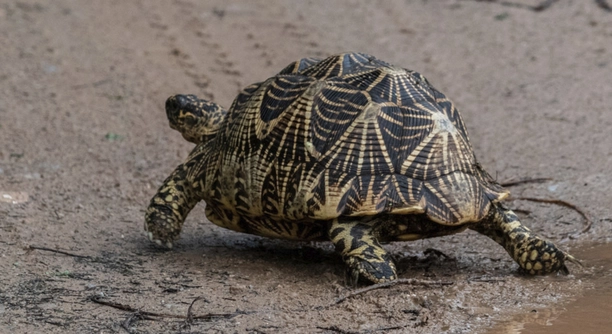
When keeping a star tortoise, ensuring the proper temperature in their enclosure is essential for their health and comfort. Heating lamps are a vital component in creating the ideal environment for these reptiles.
The best heating lamps for a star tortoise enclosure provide consistent warmth, support the tortoise’s digestion, and help regulate its activity levels. Properly chosen, these lamps promote a balanced temperature range that mimics their natural habitat.
Choosing the right heating lamp is important for your tortoise’s well-being. The options listed will help create the perfect enclosure for a healthy and happy star tortoise.
Importance of Proper Heating for a Star Tortoise
Heating is one of the most crucial elements in a star tortoise enclosure. These reptiles are cold-blooded and rely on external heat sources to maintain their body temperature. Without adequate warmth, your tortoise can experience a range of health issues, including poor digestion and inactivity. Heating lamps offer a controlled environment that mimics the sun’s warmth, helping your tortoise stay active and healthy. When choosing the right heating lamp, it’s important to consider factors such as wattage, light distribution, and heat intensity to ensure a balanced and comfortable environment for your pet.
A good heating lamp should mimic the natural warmth your tortoise would experience in the wild. This allows your pet to thrive while offering them the comfort they need.
Understanding how heat affects your tortoise’s behavior can help you make the best decision when selecting a heating lamp. A reliable lamp provides warmth throughout the day and evening, ensuring your pet’s metabolic processes run smoothly. You can observe the difference in your star tortoise’s behavior with proper temperature regulation. It will be more active, more likely to feed, and maintain healthy weight.
Choosing the Right Wattage
Wattage is a key factor in selecting the best heating lamp for your tortoise. Too much wattage can cause the enclosure to overheat, leading to stress and discomfort. Too little wattage may not provide enough warmth for the tortoise to regulate its body temperature properly. The wattage needs to be carefully matched to the size of the enclosure and the species’ requirements.
For a small to medium-sized tortoise enclosure, a heating lamp in the range of 50-75 watts is often sufficient. Larger enclosures or tortoises that need higher heat may require lamps with higher wattage. Always monitor the temperature inside the enclosure to ensure it stays within the proper range.
Heat Distribution
Heat distribution in a tortoise enclosure is essential to mimic the natural environment. Uneven heat can cause stress and hinder your pet’s well-being. A good heating lamp should evenly distribute warmth across the enclosure, creating both a basking area and cooler zones.
To ensure proper heat distribution, opt for a lamp with wide coverage or position multiple lamps in different areas. This provides both a basking spot for your tortoise to soak in warmth and a cooler area to retreat to if needed. Make sure to adjust the distance between the lamp and the substrate to prevent overheating in certain spots.
Regularly check the temperature at various points in the enclosure. It’s important to maintain a temperature gradient that allows your tortoise to move between warmer and cooler zones. The basking area should be around 90-95°F, while the cooler side should be closer to 75°F, creating a natural thermal gradient.
Lamp Type
The type of lamp you choose can affect your tortoise’s health. Different types, like UVB bulbs or ceramic heat emitters, serve distinct purposes. UVB lamps are essential for vitamin D3 production, while ceramic emitters offer consistent heat without light.
A UVB bulb is a must-have for any tortoise enclosure. It helps in calcium absorption, preventing metabolic bone disease. These bulbs should be placed at an appropriate distance to provide optimal exposure to your pet. Ceramic heat emitters are perfect for providing consistent warmth throughout the night without disrupting the tortoise’s sleep cycle.
Selecting the right lamp type is crucial for the overall health of your tortoise. Choose a combination of both UVB and heat lamps to ensure that your pet gets the full spectrum of benefits.
Energy Efficiency
Energy efficiency is an important factor when selecting a heating lamp for your tortoise. An efficient lamp reduces energy consumption while providing adequate heat, saving you money on electricity bills over time. Look for energy-saving bulbs designed to offer high performance with lower wattage.
Compact fluorescent bulbs (CFLs) or LED heat lamps are often more energy-efficient options. These types of lamps use less power to produce the same amount of heat, making them ideal for long-term use. You won’t need to replace them as often, either, which makes them more cost-effective over time.
Durability and Longevity
Choosing a durable lamp ensures it lasts longer, providing consistent heat for your tortoise. A long-lasting lamp prevents frequent replacements and saves you money in the long run. Look for high-quality products that can withstand the heat and operate efficiently over time.
Ceramic heat emitters tend to be more durable than standard bulbs, with a longer lifespan. They are also better for providing constant heat without burning out quickly. Investing in a reliable lamp that will hold up well over time ensures your tortoise’s environment remains stable, and you won’t need constant replacements.
Safety Features
Safety should always be a priority when choosing a heating lamp for your tortoise. Overheating or exposure to faulty electrical components can cause harm to both the animal and the enclosure. Make sure the lamp has built-in safety features to prevent accidents.
Look for heat lamps with protective covers to avoid burns or overheating. Timers and automatic shut-off features can also be beneficial, providing peace of mind by ensuring the lamp doesn’t stay on too long or overheat.
FAQ
What temperature should the basking area be for a star tortoise?
The basking area for a star tortoise should be maintained between 90°F and 95°F. This temperature range helps support proper digestion and encourages the tortoise to remain active. The basking spot should be warm enough for the tortoise to soak in heat, while the rest of the enclosure can be cooler.
How do I know if my heating lamp is too hot?
If your heating lamp is too hot, you may notice your tortoise trying to avoid the heat or showing signs of stress. Overheating can cause your pet to hide in cooler areas, leading to a lack of activity. Always use a thermometer to check temperatures regularly, ensuring they stay within a safe range.
Can I use a regular light bulb for my tortoise enclosure?
While a regular light bulb may provide some light, it does not offer the necessary heat or UVB rays for your tortoise’s health. Regular light bulbs lack the specific heat distribution and UVB radiation required for your tortoise’s well-being. Always opt for a specialized heating lamp or UVB bulb designed for reptiles.
How often should I replace the heating lamp?
The lifespan of a heating lamp depends on the type of bulb you use. UVB bulbs should typically be replaced every 6 to 12 months, as their UVB output decreases over time. Heat bulbs like ceramic emitters can last longer, but it’s still important to monitor their effectiveness and replace them when necessary.
What type of heating lamp is best for a star tortoise?
For a star tortoise, the best heating lamps are those that provide both heat and UVB light. A combination of a UVB bulb and a ceramic heat emitter works well. UVB light helps in calcium absorption, while the heat emitter offers warmth without disrupting the tortoise’s day-night cycle.
How do I set up the enclosure to maintain the right temperature?
To maintain the right temperature, use a combination of heat lamps and ambient lighting. Position the heating lamp on one side of the enclosure to create a temperature gradient. Place a thermometer at both ends to monitor temperature fluctuations. A cool zone should be around 75°F, while the basking area stays warmer.
Do I need a separate heat source for nighttime?
Yes, a separate heat source is important for nighttime, especially in cooler environments. Ceramic heat emitters are ideal for nighttime heating since they emit heat without light, ensuring your tortoise’s enclosure stays warm without disturbing their sleep cycle. Be sure to monitor nighttime temperatures and maintain a consistent environment.
Can I use a dimmer or thermostat to control the heat?
Using a dimmer or thermostat can help regulate the temperature in your tortoise’s enclosure. A thermostat connected to the heating lamp ensures that the temperature stays within the ideal range, preventing overheating. Dimmer switches allow you to control the intensity of heat, offering flexibility in adjusting the warmth as needed.
Is it okay to use a heat mat instead of a heating lamp?
A heat mat can be used in combination with a heating lamp, but it should not replace the lamp. Heat mats provide warmth from below and are useful for creating a warm substrate, but they do not provide the necessary UVB light or basking heat your tortoise needs. Always use a proper heating lamp for full spectrum warmth and UVB.
How far should the heating lamp be from my tortoise?
The distance between the heating lamp and your tortoise depends on the type of lamp you are using. For UVB bulbs, a general guideline is to place the lamp about 6 to 12 inches from the basking area. For heat lamps, maintain a distance of 12 to 18 inches to prevent overheating. Always check the temperature with a thermometer to avoid burning your tortoise.
Can I leave the heating lamp on all day?
It’s not recommended to leave the heating lamp on 24/7. Tortoises need a day-night cycle to regulate their behavior and health. A proper lighting schedule, such as 12-14 hours of light during the day and a dark, cool period at night, mimics natural conditions and helps maintain a healthy environment for your tortoise.
Final Thoughts
Choosing the right heating lamp for your star tortoise enclosure is essential for its health and well-being. Proper lighting and heat are necessary to maintain a stable environment that mimics the tortoise’s natural habitat. When selecting a heating lamp, consider factors such as the lamp’s energy efficiency, safety features, and its ability to provide consistent warmth and UVB light. Each tortoise is different, so it’s important to monitor the temperatures and adjust as needed to ensure the best living conditions.
A combination of a UVB bulb and a ceramic heat emitter is often the most effective way to meet both your tortoise’s heat and light needs. UVB bulbs help with calcium absorption, which is crucial for the tortoise’s shell and bone health. Ceramic heat emitters, on the other hand, provide constant warmth without emitting light, which helps keep your tortoise comfortable at night without disrupting its sleep cycle. It’s important to select a heat source that offers both functionality and durability, so the lamp lasts long and provides consistent performance.
Finally, make sure to monitor the temperature regularly and replace bulbs as needed. Regularly checking the temperature gradient in the enclosure will ensure your tortoise has access to both warm and cool areas, which is vital for its overall health. Heating lamps should be used in combination with proper substrate and a stable environment to offer your tortoise a safe, healthy, and comfortable home. With careful attention and the right equipment, you can ensure your star tortoise thrives in its enclosure.

Hello,
If you enjoy the content that we create, please consider saying a "Thank You!" by leaving a tip.
Every little bit helps us continue crafting quality advice that supports the health, happiness, and well-being of pets around the world, for pets of all shapes, sizes, and species.
We really appreciate the kindness and support that you show us!