
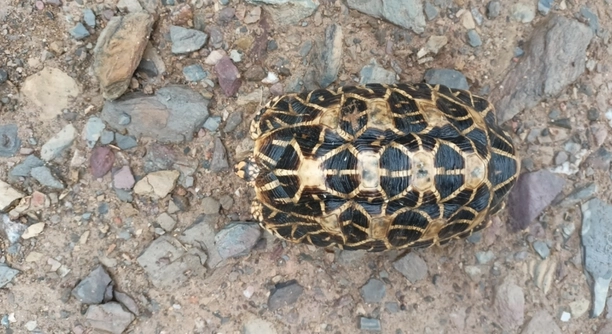
Star tortoises are fascinating creatures, but there are many myths surrounding their care and behavior. Some of these misconceptions can lead to confusion for those who are new to keeping them. Understanding the facts is essential.
Several myths about star tortoises, such as their diet needs and habitat preferences, have persisted over time. These misconceptions often mislead potential owners and contribute to improper care, which can negatively affect the well-being of these reptiles.
Clearing up these myths will help ensure your star tortoise thrives in a healthy environment. Understanding the truth behind these misconceptions can improve care and lead to a better life for your pet.
Star Tortoises Need a Large Habitat to Thrive
Star tortoises may not require a massive enclosure, but they do need enough space to roam and explore. A small cage will not provide them with the room they need for exercise and natural behaviors. Without a proper habitat, they can become stressed and may even develop health problems over time.
A 40-gallon tank or larger is a good starting point for a single tortoise. As they grow, they will need even more space. Consider setting up a larger outdoor enclosure if possible, with secure fencing and access to natural sunlight. A well-sized habitat encourages them to move around, helping prevent obesity and other health concerns.
In addition to space, proper substrate is essential. Use materials like coconut coir or organic soil that retain moisture while still allowing for proper drainage. This will help maintain humidity levels while also giving your tortoise the opportunity to dig and burrow. A balanced environment with plenty of space ensures your tortoise stays active and healthy.
Star Tortoises Can Live on Just Lettuce
Many people believe star tortoises can survive on a diet of lettuce alone. While lettuce might be a favorite, it offers little nutritional value for them. A varied diet is necessary to meet their dietary needs.
A healthy star tortoise diet includes dark leafy greens, like dandelion greens, collard greens, and mustard greens, along with grasses, flowers, and even some fruits. These provide important vitamins and minerals. Calcium is especially crucial for their bone health, and the right foods can ensure they get enough. Dusting their food with calcium powder twice a week will help avoid deficiencies.
A variety of plant matter supports the tortoise’s digestive system and overall well-being. Keep the diet varied and avoid overfeeding fruits as they are high in sugar. Fresh water should always be available for hydration. A proper diet helps keep your tortoise’s shell strong and their health in check.
Star Tortoises Need to Be Handled Frequently
A common myth is that star tortoises need regular handling to stay healthy or to bond with their owners. While it’s true that they may enjoy interaction in the form of gentle feeding or occasional petting, constant handling can cause stress.
These tortoises are naturally shy creatures and prefer to live independently. Handling too often can disrupt their natural behaviors and make them anxious. Instead of handling them frequently, focus on creating an enriching environment where they can feel safe and comfortable. Let them move at their own pace.
To encourage healthy interaction, create a space where they can come to you if they wish. Provide them with varied activities, like rocks to climb on and plants to explore. Let them set the pace, offering a peaceful setting for your tortoise to feel secure.
Star Tortoises Don’t Need UVB Lighting
Many people believe that star tortoises can live without UVB lighting. However, this is not true. UVB light is essential for their health, as it helps them absorb calcium and maintain strong bones. Without it, they can develop serious health issues, such as metabolic bone disease.
A proper UVB light source should be provided for 10-12 hours a day. It is important to place the light within the recommended distance from the tortoise to ensure they receive adequate exposure. This will mimic natural sunlight, which is crucial for their growth and overall health. Make sure the light is replaced every six months as UVB intensity decreases over time.
In addition to UVB lighting, access to natural sunlight whenever possible can benefit your tortoise. An outdoor enclosure with proper protection from predators and weather elements allows them to soak up the sun’s natural UVB rays. This is especially beneficial during warmer months, providing the ideal source of vitamin D3.
Star Tortoises Can Live on Dry Food
It is a common misconception that star tortoises can be fed dry food like pellets or processed foods for their entire diet. While these may be convenient, they do not offer the necessary nutrition required for a healthy tortoise. A diet based solely on dry food is inadequate.
Star tortoises thrive on fresh, varied plant material. Their diet should consist primarily of leafy greens, flowers, and grasses. While you can offer some pellets occasionally, they should not make up the majority of their meals. A balanced, natural diet helps prevent digestive issues and promotes healthy growth.
Always provide fresh water for your tortoise and ensure it has a clean, accessible water dish. Hydration is just as important as nutrition. Dehydration can lead to health problems, including kidney failure. Offering fresh food daily, along with water, supports their long-term health and vitality.
Star Tortoises Are Low-Maintenance Pets
Star tortoises are often considered low-maintenance, but they do require specific care. While they don’t need constant attention, their habitat, diet, and overall well-being need regular monitoring. Failing to provide the proper environment can lead to health issues.
Keeping their enclosure clean, providing appropriate lighting, and offering a varied diet are just a few of the key tasks. They also need ample space to roam. Regular checks on their health are essential, ensuring they stay active and hydrated. Caring for a star tortoise means meeting their specific needs to keep them happy and healthy.
Star Tortoises Don’t Live Long in Captivity
It’s a common myth that star tortoises don’t live long in captivity. When cared for properly, they can live for several decades. The oldest recorded star tortoise lived to over 100 years. Their lifespan is highly dependent on their environment and care.
By providing a well-maintained habitat, a nutritious diet, and regular veterinary check-ups, you can significantly increase their life expectancy. Many tortoises live longer in captivity than in the wild, where they face numerous dangers. Proper care can allow them to thrive for many years, offering companionship over time.
Star Tortoises Should Never Be Housed Together
It’s believed that star tortoises should never be housed together, but this is not always true. In some cases, they can live together peacefully if they are introduced gradually and their space is large enough.
However, if two tortoises don’t get along, they may fight. It’s essential to monitor their behavior closely. If they show signs of aggression, it’s best to separate them to avoid injury. Providing enough space and resources can help prevent conflicts and make sharing a habitat possible.
FAQ
How often should I feed my star tortoise?
Star tortoises should be fed every day. Provide a variety of leafy greens and some grasses, flowers, and occasionally fruits. Make sure to avoid overfeeding, especially with sugary fruits, as it can lead to obesity. It’s important to offer fresh food daily while ensuring that your tortoise’s diet is balanced. Remove any uneaten food after a few hours to avoid spoilage and keep the habitat clean. Regular feeding keeps them healthy and helps prevent digestive problems.
Do star tortoises need a heated enclosure?
Yes, star tortoises need a heat source to maintain their body temperature. In captivity, this is usually provided by a heat lamp or a ceramic heat emitter. Their basking area should reach temperatures between 90-95°F (32-35°C), while the cooler side of the enclosure should be around 75°F (24°C). This temperature gradient allows them to regulate their body heat. Be sure to monitor the temperature regularly to ensure the tortoise is comfortable.
Can star tortoises live outside?
Star tortoises can live outside in suitable climates. They need a secure outdoor enclosure that protects them from predators and provides access to natural sunlight. If you live in a warm climate, an outdoor enclosure can mimic their natural environment. Ensure the space is escape-proof, as tortoises are excellent at finding ways out. Outdoor enclosures should also offer a shaded area for them to retreat to if they get too hot.
Do I need to provide UVB lighting for my star tortoise?
Yes, UVB lighting is essential for a star tortoise. They need UVB rays to synthesize vitamin D3, which helps them absorb calcium for strong bones and a healthy shell. Without UVB, they are at risk for metabolic bone disease. A high-quality UVB bulb should be used for 10-12 hours a day. Be sure to replace the bulb every six months, as its effectiveness diminishes over time, even if the light still works.
What is the best substrate for a star tortoise enclosure?
For a star tortoise, use a substrate that retains moisture while also providing good drainage. Options like coconut coir, organic topsoil, or a mix of the two are ideal. Avoid using sand or wood chips, as these can cause digestive issues if ingested. The substrate should be deep enough for the tortoise to dig and burrow, as this is a natural behavior. A good substrate also helps maintain humidity levels within the proper range.
Can I feed my star tortoise fruits every day?
Fruits should be given to star tortoises in moderation. While they enjoy fruits, they are high in sugar and can lead to obesity if fed too often. Fruits like apples, berries, and melons are a treat, but should only be offered once or twice a week. The majority of their diet should consist of leafy greens and grasses, which provide more essential nutrients. It’s best to focus on variety to keep their diet balanced and healthy.
What temperature should my star tortoise’s enclosure be?
The enclosure should have a temperature gradient to allow the tortoise to regulate its body heat. The basking area should be between 90-95°F (32-35°C), while the cooler end should stay around 75°F (24°C). Maintaining this temperature range is crucial for their digestion, activity levels, and overall health. Use a thermometer to monitor both areas, as the tortoise needs the ability to move between different temperatures throughout the day.
How can I prevent my star tortoise from becoming overweight?
To prevent obesity, offer a varied diet with an emphasis on leafy greens, grasses, and flowers. Limit high-sugar foods like fruits and avoid overfeeding. Monitor your tortoise’s weight and activity levels regularly. Ensure the enclosure is large enough for them to move around freely. Exercise is important to keep them healthy, so allow them ample space to roam. A proper diet combined with regular movement will help maintain a healthy weight.
Can I keep two star tortoises together?
Star tortoises can be kept together, but it depends on their individual personalities. Some tortoises are more territorial and may fight if housed together. It’s important to provide enough space, food, and hiding spots to prevent conflicts. If you notice signs of aggression, it’s best to separate them to avoid injury. Always monitor their interactions and ensure they’re comfortable. If kept together, ensure that each tortoise has enough resources to reduce stress.
How do I know if my star tortoise is healthy?
A healthy star tortoise will be active, with clear eyes and a smooth, firm shell. Check their shell regularly for any signs of injury, rot, or cracking. Their eyes should be bright and clear, and they should be eating and drinking regularly. Healthy star tortoises also have a good appetite and will readily consume a varied diet. Any significant changes in behavior, eating habits, or physical appearance should prompt a visit to the vet. Regular check-ups are also recommended to ensure ongoing health.
Final Thoughts
Caring for a star tortoise can be an incredibly rewarding experience when the right environment and care are provided. These tortoises are hardy creatures that can live for decades, but they do require attention to detail. Proper diet, habitat, and temperature control are crucial to ensuring their health. It’s important to remember that they are not low-maintenance pets, despite what some may think. Regular care is needed to keep them thriving, but when their needs are met, they can be active, healthy, and long-living companions.
Many myths about star tortoises can lead to confusion for new owners. Understanding their actual needs is key to preventing mistakes that could negatively impact their health. For example, while it’s common to think they can live alone without much interaction, socialization and proper space can actually improve their well-being. It’s also vital to recognize the importance of UVB lighting, proper heating, and a balanced diet. These are not just luxuries for the tortoise; they are necessities that directly affect their longevity and quality of life.
Ultimately, star tortoises can make great pets for those willing to put in the effort. They are fascinating, unique, and low-key in their personality, but they do require care that aligns with their natural needs. If you’re willing to learn and adapt, you can provide them with a life that closely mirrors their wild environment. By breaking common myths and understanding the true care they require, you’ll be able to ensure your star tortoise enjoys a long, healthy life in your care.

Hello,
If you enjoy the content that we create, please consider saying a "Thank You!" by leaving a tip.
Every little bit helps us continue crafting quality advice that supports the health, happiness, and well-being of pets around the world, for pets of all shapes, sizes, and species.
We really appreciate the kindness and support that you show us!