
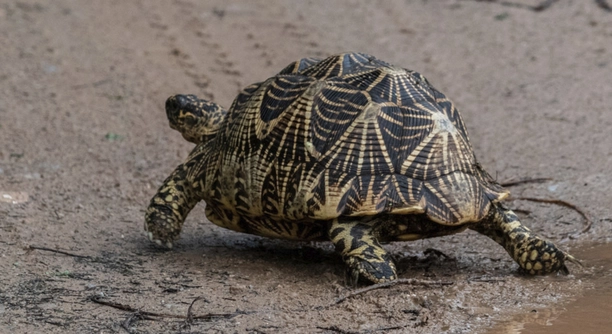
A balanced diet is essential for your star tortoise’s health. Proper nutrition helps maintain its growth, energy, and overall well-being. Adjusting its meals can make a noticeable difference in its life and vitality.
To create a balanced diet for your star tortoise, it’s crucial to incorporate a variety of leafy greens, vegetables, and fruits. Ensuring the right calcium-to-phosphorus ratio and providing appropriate protein levels will support healthy growth and bone structure.
By focusing on these dietary adjustments, your tortoise will thrive and stay healthy. This article offers simple tips to improve your star tortoise’s meals.
Offer a Variety of Leafy Greens
Leafy greens should be the main component of your star tortoise’s diet. These greens provide the necessary vitamins and minerals that are essential for their health. Common choices like dandelion greens, collard greens, and mustard greens are excellent options. Make sure to avoid high-oxalate vegetables like spinach, as they can interfere with calcium absorption. Always wash greens thoroughly to remove pesticides or chemicals. A mix of different greens will not only provide nutritional variety but also keep your tortoise engaged during feeding time. Offering a variety will also ensure they are getting a wide range of nutrients, keeping their diet balanced.
Incorporating a mix of greens helps maintain balance in your tortoise’s diet. These greens support digestion and bone health.
Make sure the leaves are fresh, free of chemicals, and well-rinsed. This minimizes health risks and provides your tortoise with the most beneficial nutrients possible. Don’t forget to cut greens into small pieces to make them easier to consume.
Calcium and Phosphorus Balance
Calcium plays a crucial role in your tortoise’s overall health, especially for bone development. Maintaining the correct balance between calcium and phosphorus is vital. Calcium helps in the formation of strong, healthy bones, while phosphorus supports proper cellular function. If the ratio is off, your tortoise might struggle with shell issues or other health problems. To get the right ratio, add calcium-rich foods such as kale, and calcium supplements when needed. Avoid offering foods that are too high in phosphorus, such as beans and certain seeds.
Regularly dusting their food with calcium powder can also help keep their bones strong.
Adjusting the balance is a simple yet effective way to improve your star tortoise’s health. A proper balance between these two nutrients supports strong bones and overall vitality. This simple step ensures that your star tortoise stays happy and active for years to come.
Include Healthy Fruits
Fruits can be an enjoyable treat for your star tortoise but should be given in moderation. Offering fruits like papaya, melon, or berries provides extra hydration and essential vitamins. Too much fruit can disrupt their digestion and lead to unhealthy weight gain, so portion control is important.
Fresh fruits are a natural source of antioxidants, which help boost the immune system. These fruits also provide variety and keep your tortoise’s meals interesting. Be sure to remove any seeds or pits that could cause choking. Fruits can also help hydrate your tortoise, which is especially useful during dry seasons or in a heated enclosure.
To maintain balance, mix fruit with leafy greens. Offering small portions once or twice a week ensures your tortoise receives the benefits without overindulging. A little goes a long way in improving their health and well-being. Stick to safe fruits and avoid those high in sugar or acidity.
Focus on Fiber-Rich Foods
Fiber is key to supporting your star tortoise’s digestive health. Foods high in fiber, like grasses, hays, and some vegetables, help keep their digestive system functioning properly. Fiber-rich foods encourage healthy gut bacteria and help prevent issues such as constipation.
Incorporating a variety of fibrous foods also ensures your tortoise gets the nutrients it needs without the risk of digestive problems. Offering dried grasses like timothy hay can provide essential fiber. You can also add small amounts of fiber-rich vegetables like carrots and bell peppers to their diet. This encourages proper digestion, reducing the chance of blockage or gastrointestinal issues.
Make sure to offer fiber-rich foods regularly to maintain proper digestive function. A healthy digestive system helps your tortoise feel its best, ensuring a longer, happier life. Fiber should be a consistent part of their diet to promote overall health.
Add Small Amounts of Protein
While star tortoises are primarily herbivores, small amounts of protein can be beneficial. Offer protein sources like boiled eggs, worms, or small amounts of cooked chicken. Protein supports growth and repairs tissue, but too much can harm their health. Limit these protein-rich foods to occasional treats.
Protein should only make up a small portion of their diet. Overfeeding protein can lead to kidney damage and other health problems. Be mindful of the types of protein you offer, ensuring it is natural and easily digestible for your tortoise. Stick to lean sources and feed sparingly.
Avoid High-Phosphorus Foods
High-phosphorus foods can upset the calcium-to-phosphorus ratio in your star tortoise’s diet. Excess phosphorus can interfere with calcium absorption, leading to weakened bones and other issues. Avoid feeding your tortoise foods like beans, seeds, or certain leafy greens that are high in phosphorus.
To prevent this, focus on offering a mix of calcium-rich foods and avoid the ones with a high phosphorus content. Reducing the amount of phosphorus in their diet will support better bone health and reduce the risk of metabolic bone disease.
Hydration is Key
Proper hydration is crucial for your star tortoise’s overall health. Always provide fresh, clean water in a shallow dish to prevent drowning. Regular hydration helps with digestion, kidney function, and maintaining proper body temperature.
FAQ
What vegetables can I feed my star tortoise?
You can feed your star tortoise a variety of vegetables like collard greens, mustard greens, and dandelion greens. Avoid feeding vegetables that are high in oxalates, such as spinach, as they can hinder calcium absorption. Other safe options include zucchini, bell peppers, and carrots. It’s important to vary the vegetables you offer to ensure a balanced diet.
How often should I feed my star tortoise?
Star tortoises should be fed every other day, as overfeeding can lead to obesity. A well-balanced meal with leafy greens, vegetables, and occasional fruits will provide the right nutrients. It’s essential to keep their diet consistent but not excessive, focusing on portion control for healthy growth.
Can I feed my star tortoise fruit every day?
Fruits should be given in moderation, around once or twice a week. While fruits are healthy and provide vitamins, too much sugar can lead to health problems, including obesity. Stick to safer fruits like papaya, melon, and berries. Remember to cut them into small, manageable pieces.
How can I ensure my star tortoise gets enough calcium?
Calcium is crucial for the health of your star tortoise. Offer calcium-rich foods like kale and dandelion greens. You can also supplement their diet with calcium powder, which should be lightly dusted on their greens a few times a week. Always ensure a proper calcium-to-phosphorus ratio to maintain bone health.
Is it okay to give my star tortoise protein?
Yes, but only in small amounts. Star tortoises are mostly herbivores, so protein should be offered sparingly. Foods like boiled eggs, worms, or small portions of cooked chicken are suitable protein sources. Too much protein can lead to kidney issues, so limit its frequency to once every 1-2 weeks.
What should I avoid feeding my star tortoise?
Avoid feeding your star tortoise high-oxalate foods such as spinach, as they can interfere with calcium absorption. Also, steer clear of high-phosphorus foods like beans, seeds, and too many fruits. Foods high in sugar, like citrus fruits, should also be limited. Stick to a varied diet of greens and vegetables.
How can I tell if my star tortoise is overfed?
Signs of overfeeding include excessive weight gain and lethargy. If your tortoise becomes too heavy, it may experience shell deformation and digestive issues. Monitor their weight regularly, and ensure their diet is not too high in calories. Offering appropriate portions is key to keeping them healthy.
Can my star tortoise eat flowers?
Yes, star tortoises can eat certain flowers, but you must be cautious. Safe options include hibiscus, dandelions, and clover. Make sure the flowers haven’t been treated with pesticides or chemicals. Offering a variety of edible flowers can enhance their diet but always double-check the flower type for safety.
Should I give my star tortoise supplements?
Supplements can be helpful if your tortoise’s diet lacks certain nutrients. Calcium and vitamin D3 supplements are especially important if they are not receiving enough through food. However, supplements should only be used when necessary, as overuse can lead to health problems. Always consult with a vet before adding supplements to their diet.
How do I know if my star tortoise is healthy?
A healthy star tortoise will have a firm, well-formed shell and will be active, alert, and eating regularly. If your tortoise seems lethargic, has a soft or deformed shell, or is not eating, these could be signs of illness. Regular check-ups with a vet can help ensure your tortoise stays in top shape.
Can my star tortoise eat lettuce?
While lettuce can be offered as a treat, it is not very nutritious for star tortoises. Iceberg lettuce, in particular, has very little nutritional value and should be avoided. Opt for darker, leafy greens like romaine or red leaf lettuce, which offer more vitamins and minerals.
How do I properly hydrate my star tortoise?
Ensure that your star tortoise has access to fresh, clean water at all times. Use a shallow dish to prevent the risk of drowning. Tortoises can also absorb water through their skin, so regular misting or offering a shallow soak in warm water can help with hydration.
Final Thoughts
Maintaining a balanced diet for your star tortoise is essential for its health and well-being. Providing a variety of greens, vegetables, and occasional fruits can ensure they receive the proper nutrients. Be mindful of their protein intake, as it should be minimal and only offered on rare occasions. It’s also important to keep the right balance of calcium and phosphorus to support strong bones and a healthy shell. Small changes in their diet, like offering calcium supplements or adjusting vegetable choices, can make a big difference in their overall health.
Overfeeding is a common concern, so it’s crucial to monitor portion sizes. Tortoises are naturally slow eaters and often won’t overeat if their food is offered in moderation. Keeping a consistent feeding schedule and adjusting the food types based on their age and size will help prevent obesity and other health issues. Pay attention to how they react to their meals. If they seem to lose interest or are becoming overweight, it might be time to reassess their diet and make changes.
Ultimately, caring for a star tortoise involves understanding its specific dietary needs. With patience and proper knowledge, you can provide your tortoise with a nutritious and well-rounded diet that helps them thrive. Regular check-ups with a vet and observing their behavior will guide you in ensuring they stay healthy. Remember, a small adjustment in their diet now can have long-term positive effects on their growth and quality of life.

Hello,
If you enjoy the content that we create, please consider saying a "Thank You!" by leaving a tip.
Every little bit helps us continue crafting quality advice that supports the health, happiness, and well-being of pets around the world, for pets of all shapes, sizes, and species.
We really appreciate the kindness and support that you show us!