
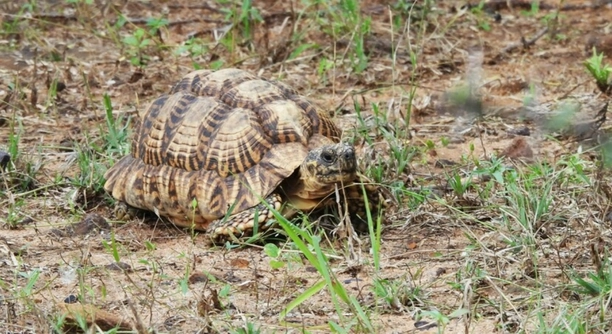
Star tortoises are unique creatures, known for their beautiful shells and calm demeanor. However, like any pet, they may show signs of illness if not cared for properly. It’s important to spot these signs early.
The early signs of illness in star tortoises can be subtle but noticeable. Changes in behavior, appetite, or physical appearance may signal that something is wrong. Early detection is crucial to ensure proper care and treatment for your tortoise.
Identifying these clues early on will help you take action and provide your star tortoise with the care it needs. Keep reading to learn more about the signs and what they mean.
1. Changes in Eating Habits
If your star tortoise is eating less or showing no interest in food, this could be a sign of illness. A healthy tortoise should have a regular appetite, consuming a variety of leafy greens and vegetables. Any significant changes in their eating habits should be taken seriously.
Changes in appetite can stem from various issues like digestive problems, stress, or an infection. If your tortoise refuses to eat for an extended period, it’s essential to consult a veterinarian. Early detection of a decrease in food intake allows you to address potential health issues promptly.
Sometimes, tortoises may eat less due to a change in environment or temperature. However, if these factors are ruled out, and the decrease in appetite persists, there could be an underlying issue such as parasites or a nutritional deficiency. Regularly monitoring your tortoise’s eating habits and keeping track of any unusual patterns will help in early detection and intervention.
2. Unusual Lethargy
Lack of energy is another sign to watch for in your star tortoise. While tortoises are naturally slow-moving creatures, they should still be active and alert during certain parts of the day. If your tortoise is more sluggish than usual or not moving around much, it may indicate an issue.
When your tortoise shows unusual lethargy, it could be caused by factors like improper temperature, dehydration, or illness. Stress and poor environmental conditions can also affect their energy levels. To ensure your star tortoise stays healthy, keep their enclosure warm enough and maintain a steady humidity level.
If your tortoise seems to be avoiding movement for long periods, you’ll want to check the habitat and look for signs of other issues, such as respiratory problems. Getting the temperature and humidity right in their enclosure can help avoid these issues. If lethargy continues for more than a day or two, it’s best to get your tortoise checked by a veterinarian to rule out serious health concerns.
3. Shell Abnormalities
If your star tortoise’s shell shows any discoloration, soft spots, or cracks, it’s time to take a closer look. These issues can point to infections, malnutrition, or a lack of calcium. A healthy shell should be hard, smooth, and free of visible damage.
Shell problems often result from an imbalance in diet or environmental factors. For instance, insufficient UVB light or calcium in their diet can cause soft shells or deformities. It’s essential to ensure your tortoise is getting a proper, balanced diet that includes the right amount of calcium, and the proper lighting is provided to help them absorb the nutrients.
Another cause of shell issues is fungal or bacterial infections that can lead to discoloration or softness. Infections often start when the tortoise’s habitat is too humid or not kept clean. If you notice any changes in the shell, it’s important to consult a vet to prevent further damage.
4. Respiratory Issues
If your star tortoise starts showing signs of wheezing, nasal discharge, or excessive yawning, it may be struggling with a respiratory infection. These are common in tortoises, especially when their living conditions are too cold or humid.
Respiratory problems in tortoises can also occur when there is inadequate airflow in their enclosure or when they are stressed. Poor ventilation leads to higher humidity levels, which can increase the chances of respiratory infections. It’s important to maintain a balanced environment with proper heating and ventilation.
A tortoise with a respiratory infection may also display open-mouth breathing or mucus around its nose. If you notice these signs, immediate attention is needed. These infections can progress quickly and lead to severe complications if left untreated. Keep an eye out for any unusual breathing sounds or signs of mucus buildup. If symptoms persist, seek veterinary care as soon as possible.
5. Swelling or Puffiness
Swelling around the limbs, eyes, or neck can be an early sign of an underlying issue in your star tortoise. This could be caused by infection, injury, or an issue with their internal organs. Swelling should not be ignored.
Infections or injuries often lead to localized swelling, which can be painful for the tortoise. Sometimes, swelling around the neck or face can also indicate a respiratory issue. If you spot any unusual puffiness, it’s crucial to monitor your tortoise closely and seek help from a vet if necessary. Ignoring these symptoms can lead to more serious complications.
6. Abnormal Feces
Changes in your star tortoise’s stool can point to gastrointestinal problems, parasites, or other internal health issues. Healthy tortoise feces are typically firm and easy to clean up. If you notice watery, discolored, or foul-smelling stool, it’s a cause for concern.
Parasites and infections can cause your tortoise’s digestive system to become unbalanced, resulting in abnormal stools. Other times, changes in diet or stress may cause these issues. If abnormal feces persist for more than a day or two, it’s wise to consult a veterinarian. Early intervention helps in treating gastrointestinal issues before they become more serious.
7. Uneven or Poor Growth
If your star tortoise is growing slower than expected or showing signs of stunted growth, it may be an indication of a nutritional deficiency or other health issues. Consistent growth is a sign of good health in tortoises.
A poor diet, lack of UVB lighting, or an improper habitat can all affect a tortoise’s growth rate. For example, insufficient calcium can lead to bone issues and slow development. If growth seems stunted, it’s important to review the care routine and make adjustments as needed to ensure your tortoise is getting the proper nutrients and environment for healthy growth.
FAQ
What should I do if my star tortoise isn’t eating?
If your star tortoise isn’t eating, first check if their environment is the right temperature and humidity. Stress or poor conditions can lead to a lack of appetite. Ensure they have access to fresh, healthy food and try offering a variety of leafy greens. If the lack of appetite persists for more than a couple of days, it’s time to visit a veterinarian for further evaluation. Sometimes, not eating can be linked to a health issue like a respiratory infection or parasites.
How can I tell if my tortoise has a respiratory infection?
Look for signs like wheezing, coughing, nasal discharge, or open-mouth breathing. These are common signs of a respiratory infection in star tortoises. A tortoise may also seem lethargic or less active than usual. If you observe any of these symptoms, isolate the tortoise from other pets and seek veterinary care. Respiratory infections can progress quickly, so early treatment is key to recovery.
How can I prevent shell problems in my star tortoise?
To prevent shell issues, maintain a balanced diet rich in calcium and ensure your tortoise gets enough UVB light. Calcium is essential for strong shell growth. Also, keep their living space clean and dry, as fungal and bacterial infections can occur in moist, dirty environments. Regularly inspect the shell for any signs of soft spots, cracks, or discoloration. Proper hydration is also important to maintain a healthy shell.
Is it normal for a tortoise to sleep a lot?
Tortoises tend to sleep a lot, especially during cooler months or after eating. However, if your star tortoise is sleeping more than usual and seems lethargic or disinterested in moving, it could be a sign of illness. Check their habitat’s temperature and humidity, as improper conditions can affect their activity level. If the excessive sleepiness continues for days, consult a veterinarian to rule out health issues.
What causes swelling in my star tortoise?
Swelling in a star tortoise can result from infections, injuries, or organ problems. It’s important to inspect your tortoise’s limbs, neck, and face for any unusual puffiness. Swelling near the face may indicate a respiratory infection or dehydration. Swelling around the limbs could point to an injury or infection. A veterinarian should evaluate any swelling to identify the cause and provide appropriate treatment.
How can I tell if my tortoise is dehydrated?
Signs of dehydration in a tortoise include dry, sunken eyes, a lack of energy, and the tortoise may appear less responsive. Their skin might also feel dry and less elastic than usual. If you suspect dehydration, provide fresh water and soak your tortoise in a shallow bowl to encourage drinking. Regular hydration is essential to their overall health and well-being.
What should I do if my star tortoise has diarrhea?
If your star tortoise has diarrhea, it could be due to stress, a sudden change in diet, or an infection. First, ensure that the food you’re offering is fresh and suitable for a tortoise’s digestive system. If the diarrhea persists for more than a day or two, take your tortoise to a vet for a stool test to check for parasites or bacterial infections.
Can a star tortoise get sunburned?
Yes, star tortoises can get sunburned, especially if they’re exposed to direct sunlight for too long without any shelter or shade. UVB light is essential for their health, but it should be offered in controlled periods to avoid overexposure. If you’re using a heat lamp, ensure that the temperature is suitable and there are places for your tortoise to retreat to when they need shade.
What are the common signs of an internal parasite in a star tortoise?
Internal parasites often cause changes in appetite, diarrhea, and weight loss. Your star tortoise may appear lethargic, and their feces could be abnormal. If you notice any of these signs, it’s crucial to take your tortoise to a veterinarian for a fecal test. Parasites can cause serious health problems, so early detection is essential for effective treatment.
How often should I take my star tortoise to the vet?
It’s a good idea to take your star tortoise to the vet at least once a year for a general health check-up, even if they seem healthy. Regular check-ups allow the vet to monitor their overall health and detect any potential issues before they become serious. If you notice any changes in behavior, appetite, or physical condition, schedule a vet appointment sooner.
Why is my star tortoise not moving much?
Lack of movement can be a sign of illness, stress, or poor living conditions. Check the temperature, humidity, and lighting in your tortoise’s habitat. If they’re not moving because of a respiratory issue, injury, or pain, you’ll need to take them to the vet. Tortoises are generally slow-moving, but they should still be active during the day.
How do I provide the right diet for my star tortoise?
A balanced diet for a star tortoise should include a variety of leafy greens like dandelion greens, collard greens, and mustard greens. Avoid offering too many high-protein foods, as this can lead to kidney problems. Additionally, include calcium-rich foods and ensure your tortoise has access to UVB light to aid calcium absorption. It’s best to avoid fruits and vegetables with too much sugar.
Final Thoughts
Taking care of a star tortoise requires attention and knowledge about their health needs. These tortoises are relatively low-maintenance but need a well-balanced diet, proper habitat conditions, and regular health checks. Early detection of any health issues is important to keep your star tortoise happy and thriving. Monitoring their behavior, such as eating habits and activity levels, can help you spot any early signs of illness. Ensuring they have the right temperature, lighting, and humidity is just as important for their overall well-being. A healthy environment plays a key role in preventing health problems.
If you notice any unusual symptoms such as lack of appetite, unusual swelling, or changes in movement, it’s important to address these early. Simple changes like adjusting their diet or making sure they have access to clean water can make a big difference. However, if symptoms persist, it’s always a good idea to seek advice from a veterinarian. Star tortoises, like all animals, benefit from professional care when needed. They rely on their owners to ensure they are living in a safe, healthy environment where they can thrive.
Overall, owning a star tortoise can be a rewarding experience, but it requires ongoing care and attention. By staying alert to their needs and being proactive in managing their health, you can help ensure they live a long, healthy life. A few simple steps, such as maintaining the right environment, providing proper nutrition, and scheduling regular vet visits, can go a long way. Keeping your star tortoise healthy and happy will make them a joyful companion for years to come.

Hello,
If you enjoy the content that we create, please consider saying a "Thank You!" by leaving a tip.
Every little bit helps us continue crafting quality advice that supports the health, happiness, and well-being of pets around the world, for pets of all shapes, sizes, and species.
We really appreciate the kindness and support that you show us!